

Enel ADR Faces São Paulo Concession Loss After Regulator Vote
Regulators in Brazil have formed a majority to recommend terminating Enel SpA's major power distribution concession in São Paulo.
Key takeaways
- Aneel formed a 4-vote majority recommending early cancellation of Enel's São Paulo concession, per Poder360 on November 17, 2026
- Director-General Sandoval Feitosa delayed the final decision with a review pause, per Poder360 on November 17, 2026
- The concession serves 16 million consumers across 24 municipalities and expires in June 2028, per Poder360 on November 17, 2026
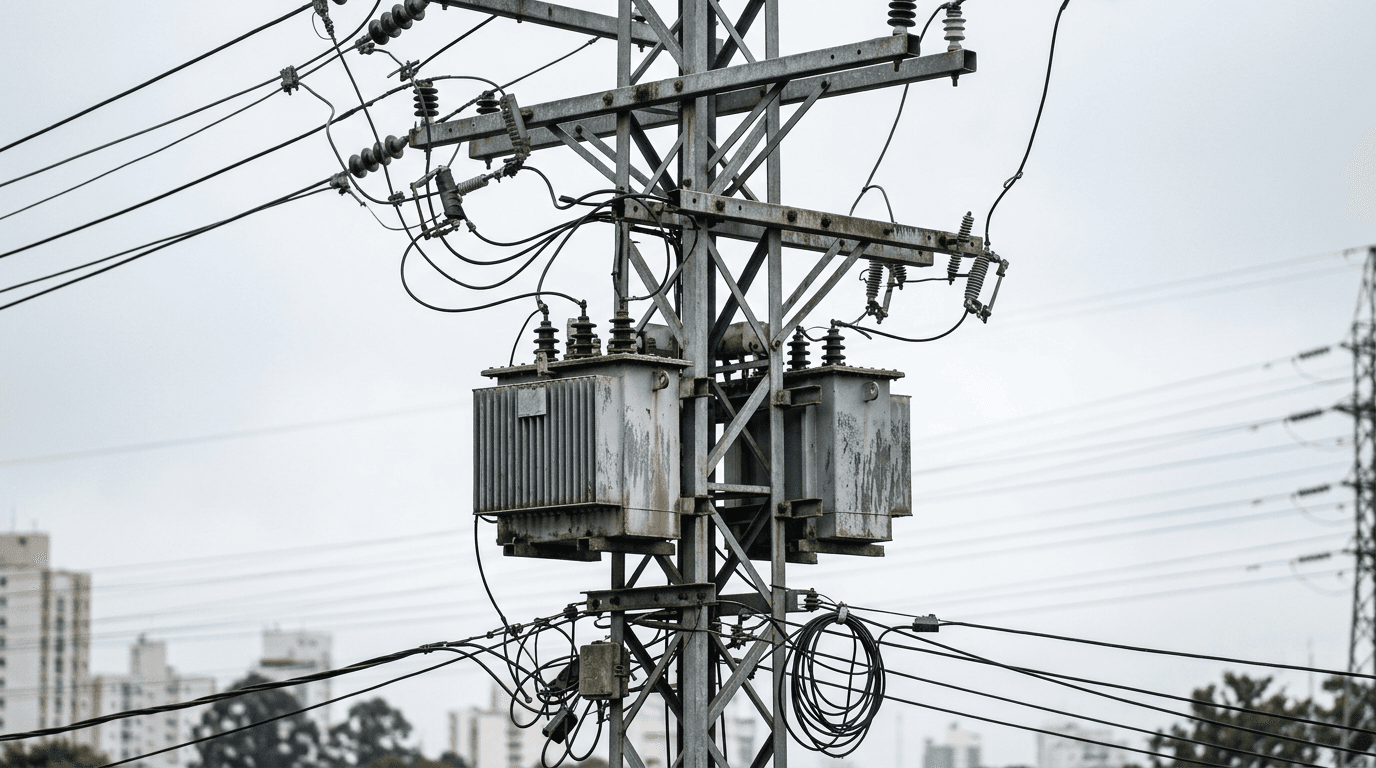
American retail investors holding shares of Italian utility giant Enel SpA through its New York-listed American Depositary Receipts (ADRs) face a significant political and regulatory threat to the company’s largest Latin American division, Enel SpA Brazil, which operates the São Paulo grid. On November 17, 2026, the board of Brazil’s federal electricity regulator, Aneel, formed a four-vote majority recommending the early cancellation of Enel's power distribution contract in São Paulo, according to a report published by Poder360 on the same day. While the regulator consolidated the votes to strip the multinational of its local license, a final submission to the federal government was delayed after Director-General Sandoval Feitosa requested a review pause, known locally as a vista.
The concession in question covers 24 municipalities and serves approximately 16 million consumers across metropolitan São Paulo—the economic heart of South America—as reported by Poder360 on November 17, 2026. Aneel, the federal agency that regulates Brazil’s power sector, opened an administrative investigation in April 2026 following severe storm-induced blackouts in 2023, 2024, and 2025, according to Poder360's November 17, 2026, coverage. These extreme weather events repeatedly left millions of residents without electricity for days, triggering intense public outrage and heavy pressure from local politicians to remove the Italian utility company from the state.
The recommendation of caducidade—the legal termination of a concession due to contract breaches—represents the most severe regulatory penalty in Brazil's energy market. During the public session, four out of Aneel's five directors voted to recommend ending the contract, concluding that Enel had exhausted all opportunities to correct chronic emergency-response deficiencies, according to Poder360 on November 17, 2026. However, because the agency's director-general paused the final sign-off, the recommendation is temporarily frozen within the regulatory board. Once the review pause ends and the board officially publishes its decision, the recommendation will be sent to the Ministry of Mines and Energy, which holds the final authority to actually terminate the contract.
For Enel, which is scheduled to hold the lucrative São Paulo concession until June 2028, an early termination would jeopardize its broader Latin American strategy, as reported by Poder360 on November 17, 2026. If the federal ministry decides to cancel the contract, it would trigger a complex transition process, potentially involving state intervention, a forced sale of the local operations, or disputes over billions of dollars in unamortized grid investments. Enel has defended its local division, stating that it has implemented service improvement plans, but the regulator's technical division has formally ruled those measures insufficient.
The immediate next step is the resumption of the Aneel board meeting once Director-General Sandoval Feitosa concludes his case review. Because Feitosa did not set a specific return date during the November 17, 2026, session, Enel will continue to manage the São Paulo grid under its existing terms for now, according to reporting from Poder360 on that day. Even if the regulator's final recommendation to strip the contract is delivered to the Ministry of Mines and Energy, any final decree can be contested by the utility through administrative appeals and prolonged battles in the Brazilian federal court system.
In your brokerage app
American investors holding Enel SpA (listed in New York as ENLAY) should monitor how this regulatory dispute impacts the parent company's capital expenditure and cash flow projections. Similarly, those holding the iShares MSCI Brazil ETF (EWZ), which tracks the broader Brazilian stock market today, may see the dispute affect foreign investor sentiment regarding the regulatory stability of Brazil's infrastructure and utility sectors.
Related coverage
 Court Audits Free Up R$ 4.7 Billion in Brazilian Treasury CashBrazilian court audits reject an OAB appeal, clearing the way to claw back R$ 4.7 billion in judicial debts and cushioning the sovereign balance sheet.
 Proposed 3% Brazilian Digital Tax Targets US Tech GiantsBrazilian Congressional Leader Randolfe Rodrigues submitted PLP 308/2026, proposing a 3% digital services tax on large tech platforms.
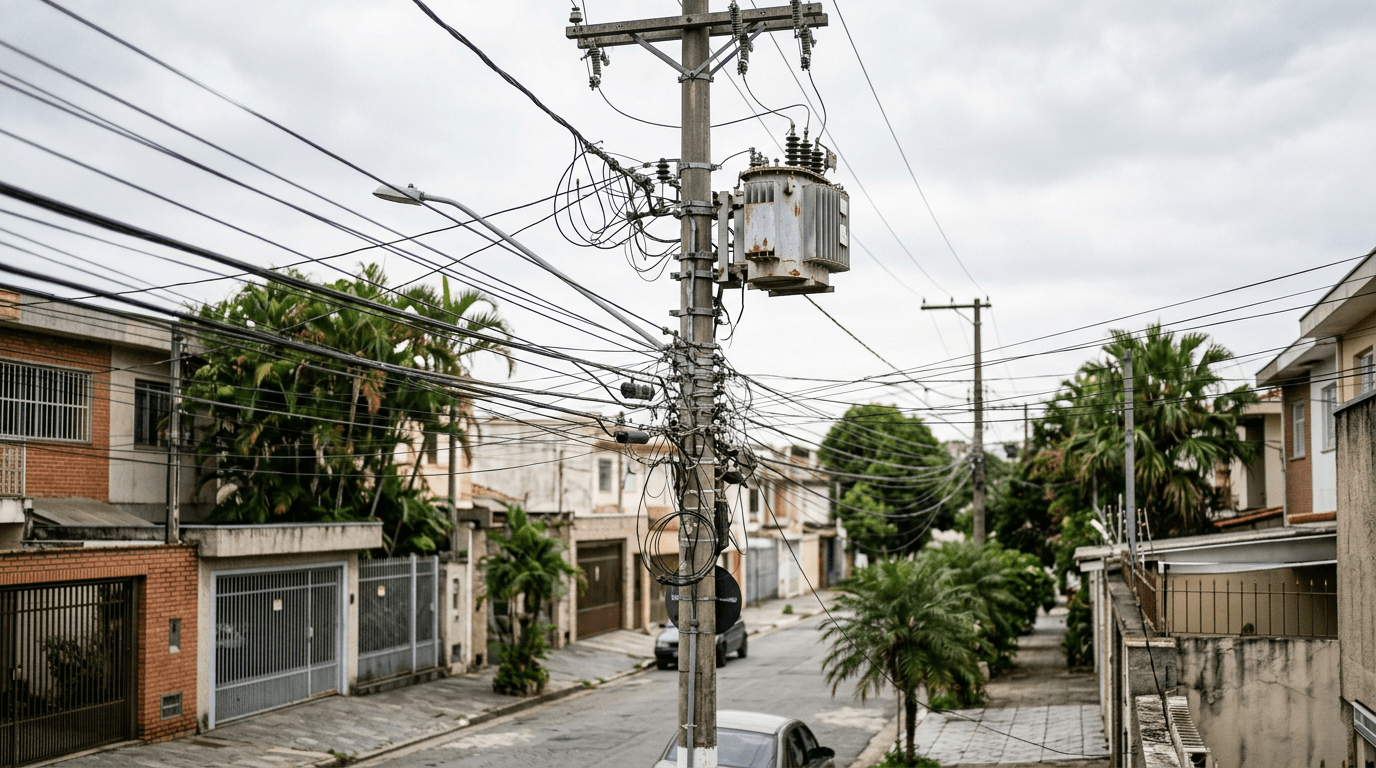 Enel SpA Facing Potential Loss of Massive São Paulo Power GridBrazil's power regulator Aneel has formed a 4-vote majority to recommend canceling Enel SpA's largest regional power concession due to chronic blackouts.