

Court Audits Free Up R$ 4.7 Billion in Brazilian Treasury Cash
Brazilian court audits reject an OAB appeal, clearing the way to claw back R$ 4.7 billion in judicial debts and cushioning the sovereign balance sheet.
Key takeaways
- The National Justice Council formed a majority to reject a legal appeal against court-debt audits, protecting R$ 4.7 billion in potential Treasury savings, per CNJ on November 17, 2026
- The ongoing extraordinary audit of federal court-ordered debts is scheduled to conclude on December 18, 2026, per CNN Brasil on November 17, 2026
- New regulations governing the secondary court-debt market were unanimously approved to prevent fraud, per CNJ on November 10, 2026
Global investors holding the iShares MSCI Brazil ETF may see fiscal relief as a Brazilian judicial council formed a majority on November 17, 2026, to reject an appeal seeking to stall audits of court-ordered debt, a move poised to return R$ 4.7 billion ($812 million) in cancelled debts to the federal treasury, according to CNN Brasil.
In Brazil, "precatórios" are court-ordered government debt payments arising from lost lawsuits. For years, these ballooning legal liabilities have weighed heavily on the sovereign balance sheet, posing a major risk to the country's fiscal targets. The National Justice Council (CNJ), which acts as the administrative watchdog of the Brazilian judiciary, launched an extraordinary audit on November 3, 2026, to inspect how these debts are calculated, issued, and paid across federal regional courts, looking specifically for inflated or premature claims, according to official CNJ records.
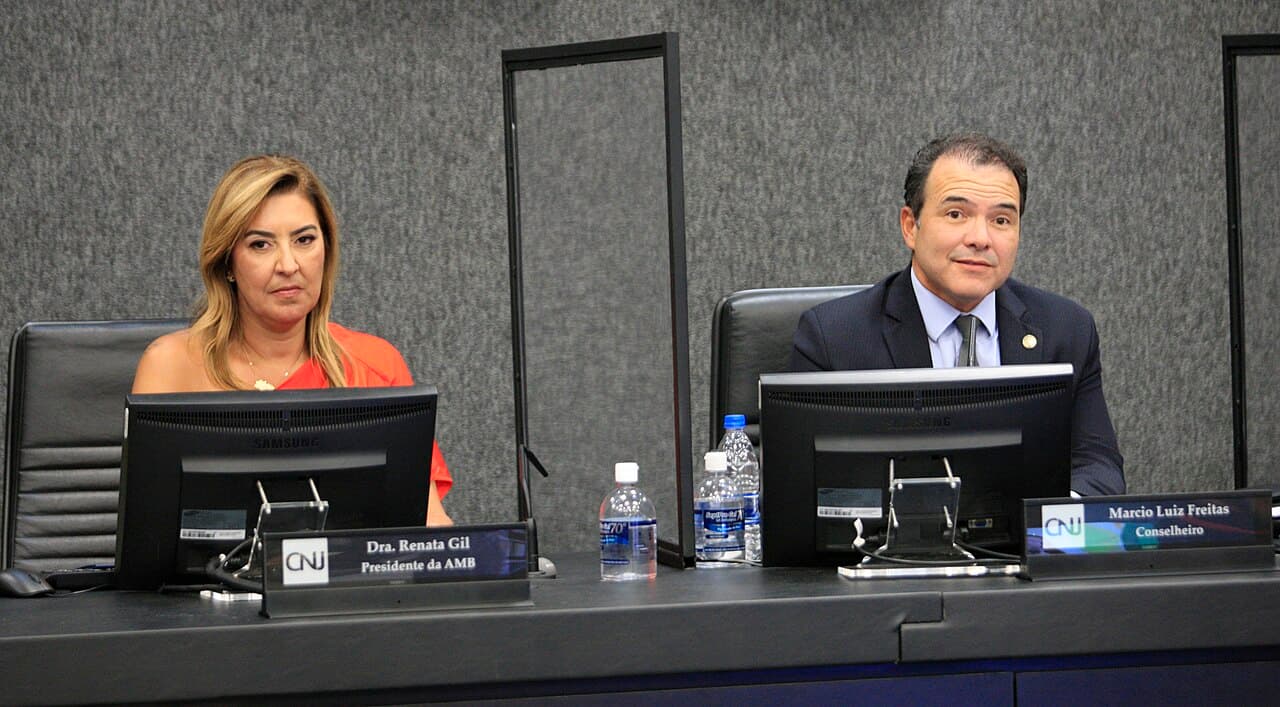
The legal battle heated up when the Brazilian Bar Association (OAB) filed an administrative appeal to halt the audits, arguing that the inspections violated attorney-client privileges and failed to respect certain judicial precedents. However, on November 17, 2026, eight members of the CNJ followed the lead of Corregedor Nacional Benedito Gonçalves to form a majority rejecting the OAB's petition, ensuring the audit continues, according to CNJ proceedings. The ongoing investigation has already triggered the cancellation of R$ 4.7 billion ($812 million) in disputed judicial debts as of November 17, 2026, according to CNN Brasil.
This fiscal cleanup follows another regulatory milestone on November 10, 2026, when the CNJ unanimously approved new rules to govern the secondary market for precatórios, according to CNN Brasil. Jointly signed by Supreme Court President Edson Fachin and Central Bank President Gabriel Galípolo, the regulation establishes a centralized national registry and mandates formal public deeds for all transfers to prevent fraud and track ownership, according to official CNJ records. These measures aim to clean up a market that has frequently been plagued by duplicate sales and predatory pricing.
Looking ahead, the CNJ's extraordinary audit of the federal courts is scheduled to conclude on December 18, 2026, according to official CNJ records. Fiscal analysts will be watching whether further cancellations are announced as the audit progresses through Brazil's regional courts, potentially providing additional fiscal headroom for the government as it navigates tight budget constraints.
In your brokerage app
For retail investors who trade the iShares MSCI Brazil ETF (NYSE: EWZ) or track the Brazilian real (USDBRL), these fiscal updates represent a rare positive supply-side shock. While domestic political drama often drives currency volatility, the direct clawback of R$ 4.7 billion to the Treasury, reported by CNN Brasil on November 17, 2026, provides a tangible cushion for the sovereign balance sheet, reducing the risk of a sudden fiscal blowout.
Related coverage
 Enel ADR Faces São Paulo Concession Loss After Regulator VoteRegulators in Brazil have formed a majority to recommend terminating Enel SpA's major power distribution concession in São Paulo.
 Proposed 3% Brazilian Digital Tax Targets US Tech GiantsBrazilian Congressional Leader Randolfe Rodrigues submitted PLP 308/2026, proposing a 3% digital services tax on large tech platforms.
 Enel SpA Facing Potential Loss of Massive São Paulo Power GridBrazil's power regulator Aneel has formed a 4-vote majority to recommend canceling Enel SpA's largest regional power concession due to chronic blackouts.