
Why a massive farm loan default wave threatens brazil investing
State-controlled Banco do Brasil sees profits plunge 66.5% in Q3 2026 as medium and large agribusinesses reject debt renegotiations, hitting foreign funds.

For retail investors holding global emerging market funds in their retirement accounts, a worsening agribusiness credit crisis in South America is threatening to erode portfolio returns. On November 12, 2026, state-controlled Banco do Brasil reported Q3 2026 adjusted net income of BRL 1.27 billion, representing a steep 66.5% drop year-over-year from the BRL 3.8 billion recorded in the same period of 2025, per the bank's Q3 2026 financial disclosure. The sharp profit collapse was driven primarily by an unprecedented rise in loss provisions for the bank’s massive agricultural lending portfolio.
The state-controlled lender, which accounts for over half of Brazil’s total rural credit market, subsequently slashed its full-year 2026 adjusted net income guidance to between BRL 9 billion and BRL 11 billion in its November 11, 2026 filings. This revised target is roughly half of its prior guidance range of BRL 18 billion to BRL 22 billion. To absorb the rising wave of defaults, the bank raised its projected cost of credit for 2026 to between BRL 80 billion and BRL 83 billion, up from its earlier estimate of BRL 65 billion to BRL 70 billion, highlighting how deeply systemic stress in the farm sector is eating into bank capital.
Deliberate delays and rising defaults
At the root of the crisis is a dramatic shift in payment behavior among medium and large soybean, corn, and cattle producers in the country's Center-West agricultural heartland. According to Banco do Brasil’s November 12, 2026 report, non-performing agricultural loans overdue by more than 90 days jumped to 6.92% in September 2026, up from 4.84% a year prior. Rather than accepting the bank’s debt restructuring programs under Provisional Measure (MP) 1,376/2026, which expired on November 12, 2026, many of these highly capitalized producers have deliberately delayed repayments, holding out for a more generous political bailout or debt pardon.
This widespread rejection of debt restructuring has generated a major moral hazard, forcing the bank to take heavy provisioning hits. To defend its capital position, the bank’s board of directors voted to cut its 2026 dividend payout ratio to the statutory minimum of 25%, down from the previously planned 30%. The bank also canceled scheduled interim dividend announcements in November, signaling that shareholders will feel the squeeze well into 2027 as capital preservation remains the management’s top priority.
In your brokerage app
For American investors, this credit squeeze is most visible through broad emerging-market and country-specific funds. The iShares MSCI Brazil ETF, which represents a major portion of Brazil-focused assets held in retirement and brokerage accounts, maintains a large position in state-controlled Banco do Brasil. In addition to the exchange-traded fund, investors can also buy and sell the bank directly via its American Depositary Receipts, which are listed in New York, exposing their portfolios directly to the ongoing fallout from the agricultural default wave.
Related coverage
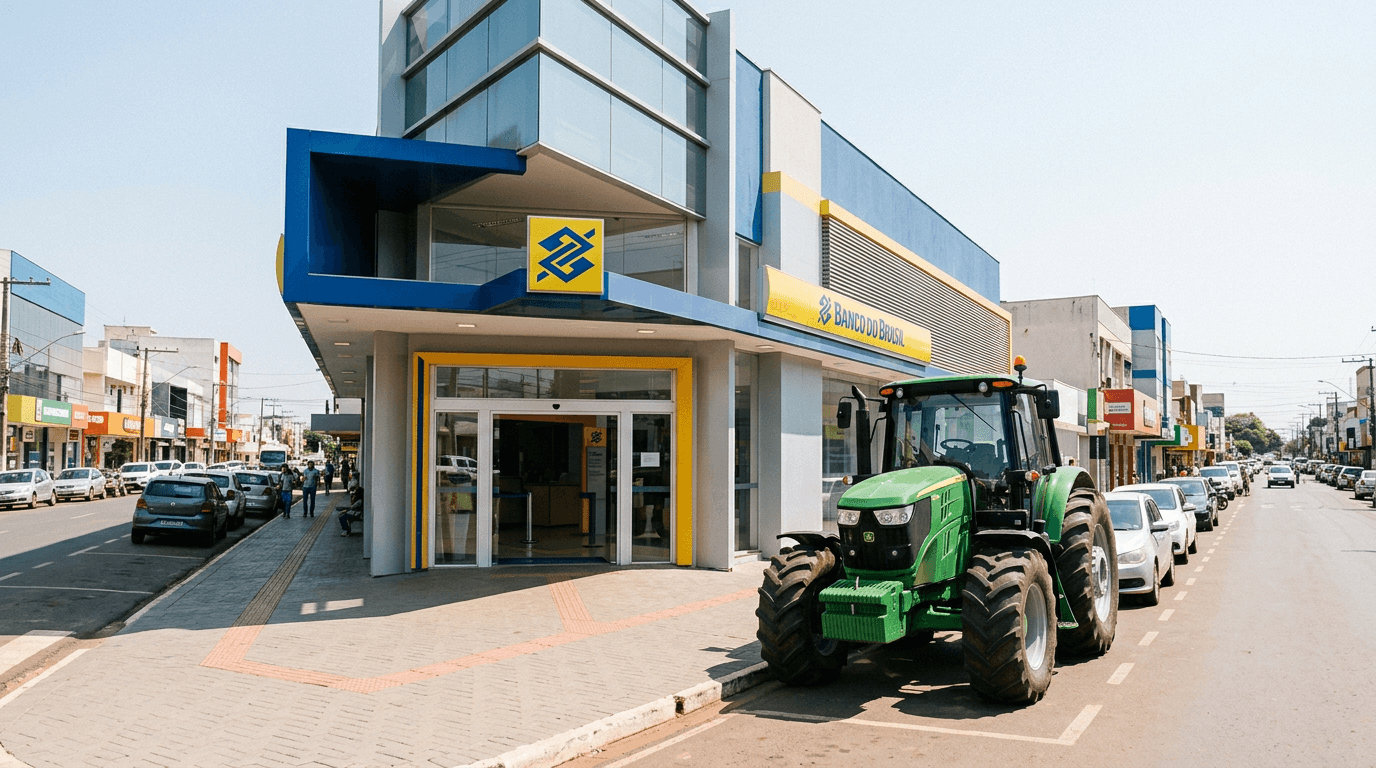 In Brazil, Your Welcome to Agribusiness Bank Profits Cuts in HalfA wave of deliberate farm loan defaults forces state-controlled Banco do Brasil to halve its 2026 net income guidance and slash dividend payouts.
 Why a Popular Brazil Nasdaq Fintech Slashed Its Profit ForecastsStoneCo reported a 15.5% drop in Q3 2026 adjusted net income, slashed its 2026 earnings guidance, and scrapped its 2027 targets due to high interest rates and defaults.
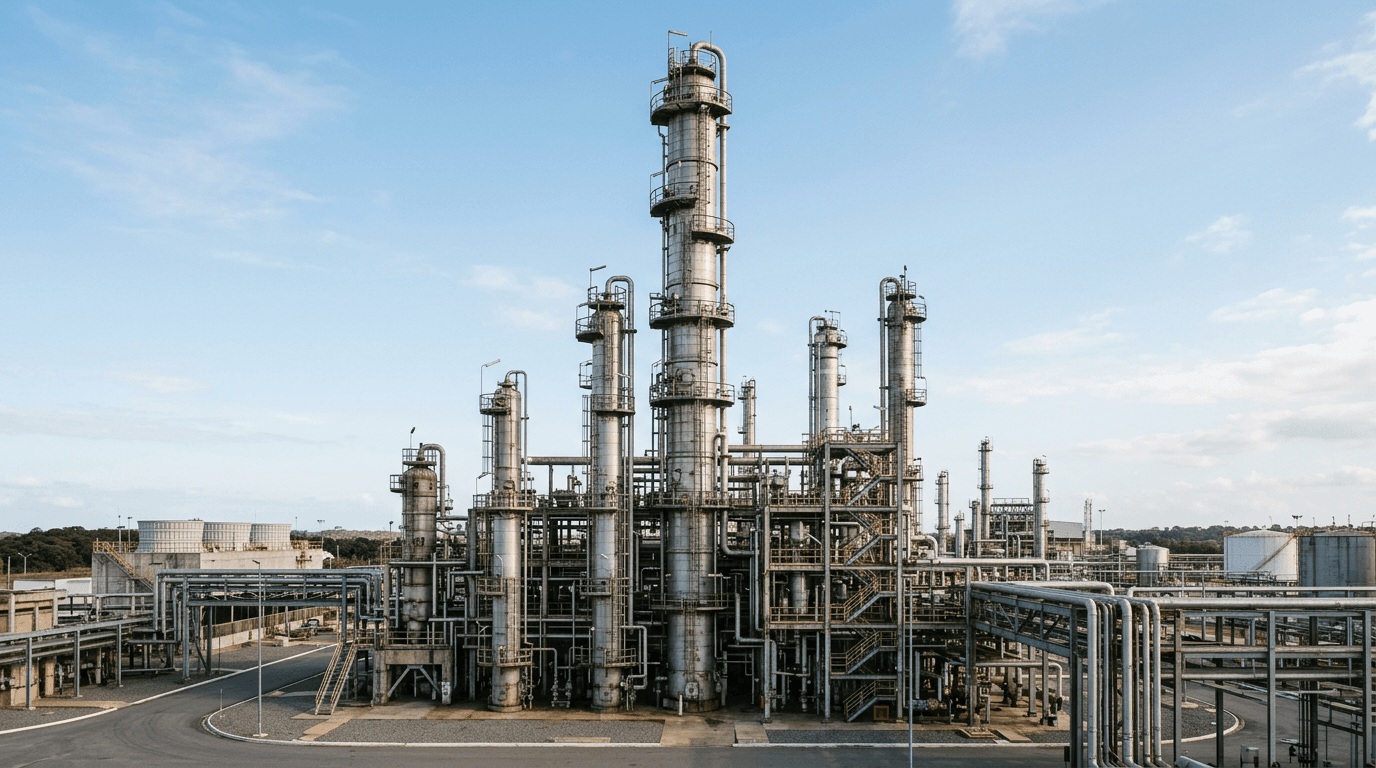 Braskem, titan of Brazil petrochemical sector, misses $210M paymentBraskem missed a R$ 1.2 billion ($210M) debenture payment, citing a judicial shield during its ongoing $10.9 billion extrajudicial restructuring.