
How a Crop Debt Crisis Hits a Key Brazil Emerging Market ETF
Banco do Brasil halved its 2026 profit guidance and slashed dividends to a 25% minimum as agribusiness defaults hit its third-quarter adjusted net income.

U.S. retail investors holding broad international funds like a brazil emerging market etf are facing a direct threat of capital erosion and reduced payout yields after Brazil's largest agricultural lender slashed its annual profit guidance by half. On November 11, 2026, state-controlled Banco do Brasil announced a drastic reduction in its dividend distribution and an aggressive capital-preservation plan to absorb surging crop-default provisions. The decision immediately impacts major emerging market index funds that rely on the stable payouts of large Brazilian state-backed financials to bolster their dividend yields.
State-controlled Banco do Brasil is the financial engine of South America's agricultural powerhouse, funding more than half of the nation's rural credit. In its third-quarter financial results published on November 11, 2026, the lender reported that its adjusted net income plummeted by 66.5% year-over-year to just R$ 1.27 billion (approximately $235 million), far missing the LSEG analyst consensus estimate of R$ 3.47 billion. According to Banco do Brasil's Q3 2026 earnings release, the collapse was driven by a massive escalation in loan loss provisions, which forced the bank to boost its third-quarter cost of credit to R$ 21.2 billion, up 18.4% compared to the same period in 2025.
The root of the credit distress lies in the fertile Center-West grain belt, where soybean, corn, and livestock producers are struggling with squeezed profit margins. Overdue agricultural loans past 90 days reached 6.92% in September 2026, up from 4.84% in September 2025, according to the bank's disclosures. Compounding the financial pressure is what Banco do Brasil's CEO Tarciana Medeiros described as a "moral hazard" in a November 13, 2026, interview. Medeiros noted that a segment of wealthy farmers with the capacity to pay has deliberately withheld payments under Provisional Measure 1,376/2026, choosing to default in a calculated bet that the federal government will yield to political pressure and offer a highly subsidized bailout.
To defend its balance sheet as its Common Equity Tier 1 capital ratio fell to 10.80%—just below its 11% target—the bank took dramatic measures. In its official regulatory filings on November 11, 2026, the board cut its 2026 adjusted net income guidance to between R$ 9 billion and R$ 11 billion, down from its prior projection of R$ 18 billion to R$ 22 billion. The lender also raised its projected annual cost of credit to a range of R$ 80 billion to R$ 83 billion, from an earlier forecast of R$ 65 billion to R$ 70 billion. Consequently, the bank slashed its dividend payout ratio to the statutory minimum of 25% of net income, down from 30%, and suspended interim dividend distributions through 2027 to preserve capital buffers.
Going forward, international investors must monitor the bank's next earnings release in February 2027, when final full-year figures and residual dividend payouts will be confirmed. The trajectory of the agricultural defaults will heavily depend on whether the federal government expands the credit renegotiation framework or stands firm against further bailouts. If these delinquency rates fail to stabilize, the bank's capital constraints could continue to drag down broader financial sector valuations, keeping pressure on major emerging market indices.
In your brokerage app
For retail investors using platforms like Fidelity, Schwab, or Robinhood, these developments directly touch the iShares MSCI Brazil ETF, which holds a significant exposure to Brazilian financial equities. Shares of Banco do Brasil S.A.—which trade locally under the ticker BBAS3 and closed down 2.45% at R$ 15.10 on the B3 exchange, while its American Depositary Receipts trade over-the-counter as BDORY—fell roughly 7% on November 12, 2026, following the release. The bank's sudden yield compression demonstrates how rural credit standoffs in South America can quickly impact the passive income generated by broad, diversified international portfolios.
Related coverage
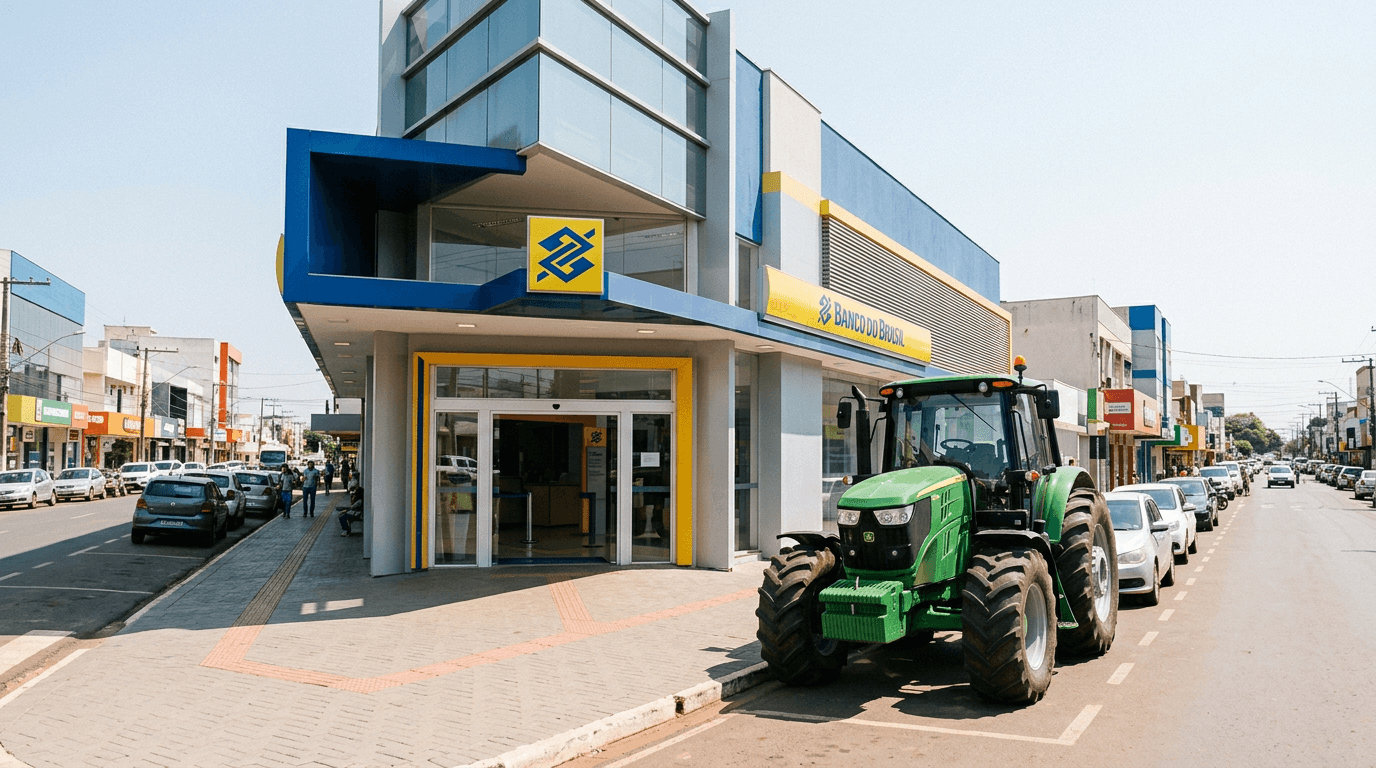 In Brazil, Your Welcome to Agribusiness Bank Profits Cuts in HalfA wave of deliberate farm loan defaults forces state-controlled Banco do Brasil to halve its 2026 net income guidance and slash dividend payouts.
 Why a Popular Brazil Nasdaq Fintech Slashed Its Profit ForecastsStoneCo reported a 15.5% drop in Q3 2026 adjusted net income, slashed its 2026 earnings guidance, and scrapped its 2027 targets due to high interest rates and defaults.
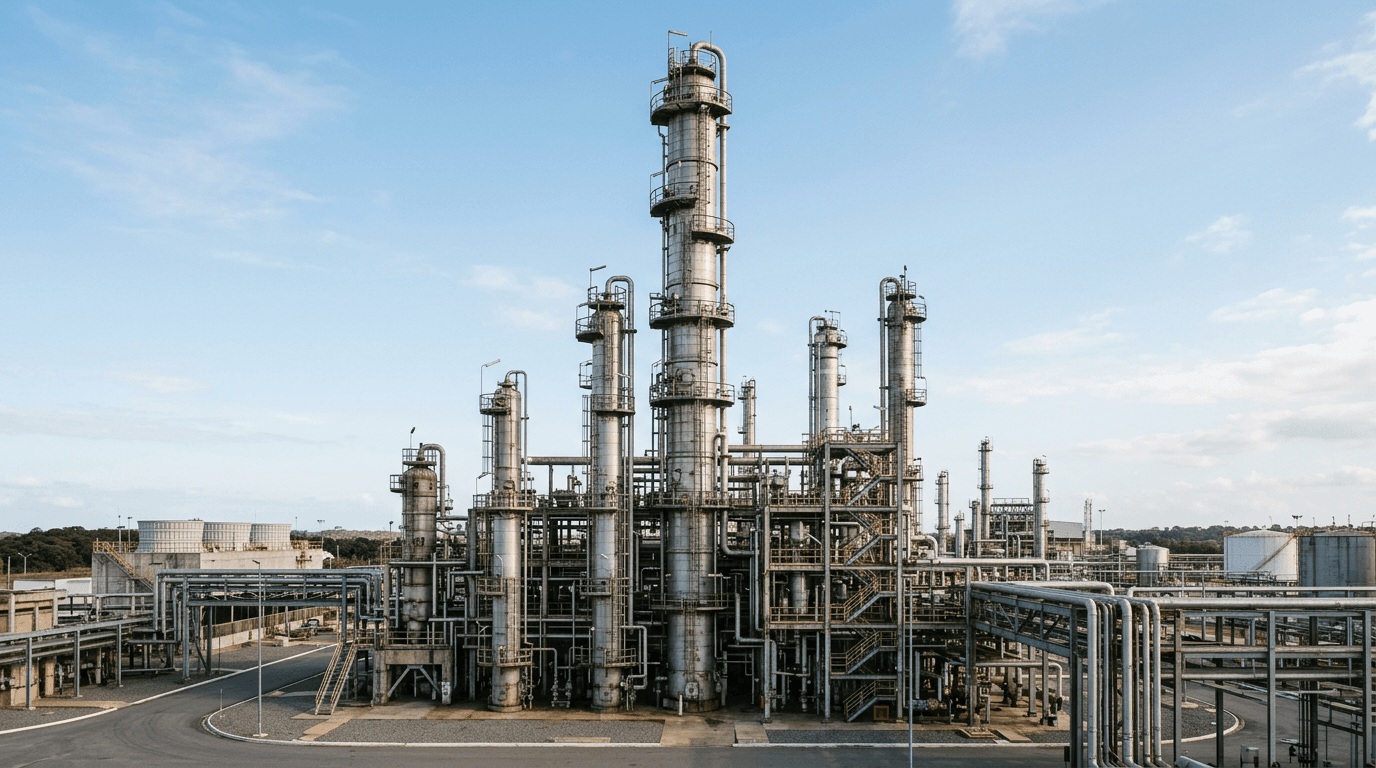 Braskem, titan of Brazil petrochemical sector, misses $210M paymentBraskem missed a R$ 1.2 billion ($210M) debenture payment, citing a judicial shield during its ongoing $10.9 billion extrajudicial restructuring.