Lula Government Rushes 40-Hour Work Week Amendment Through Brazilian Senate Before Election
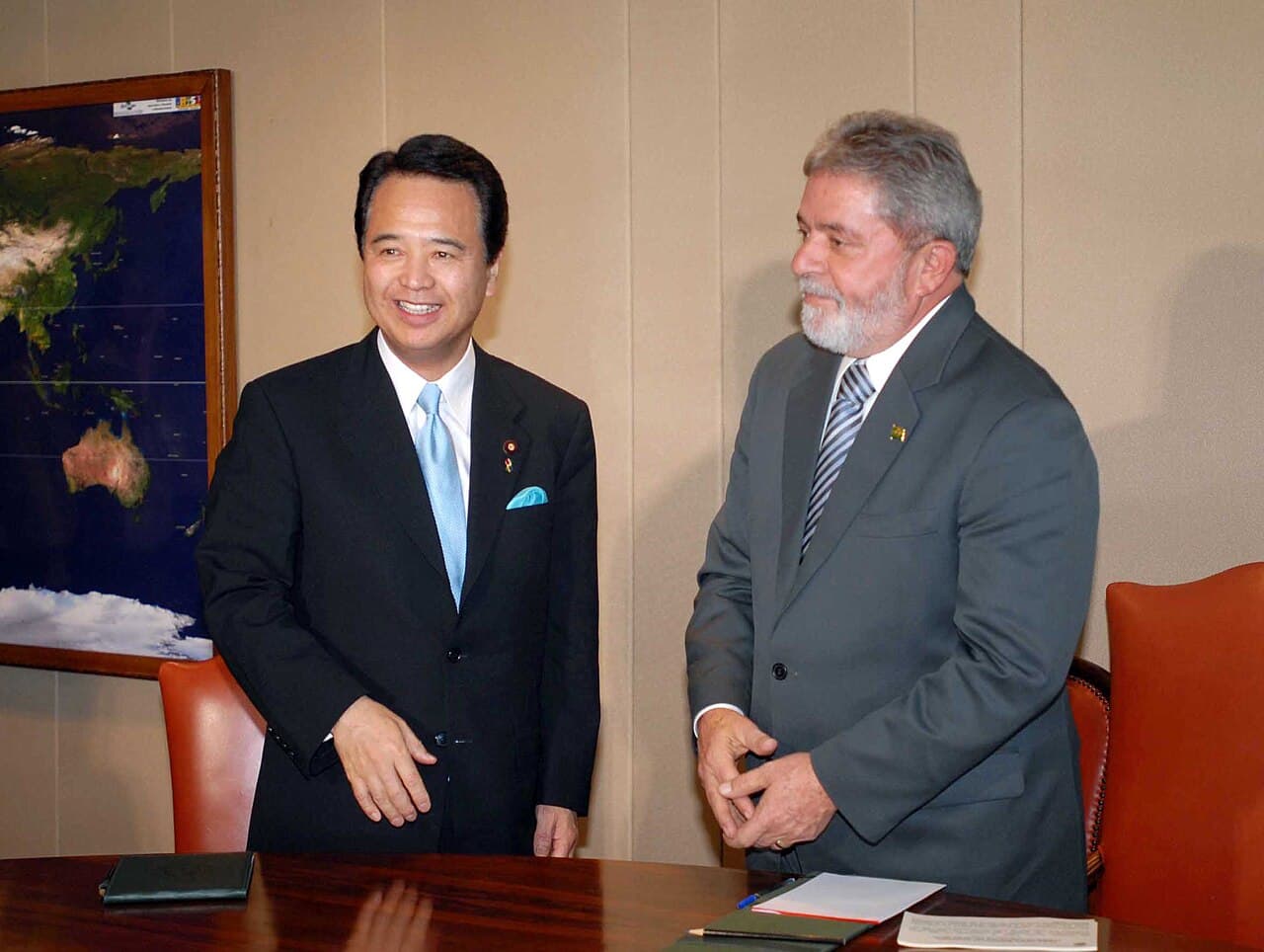
President Lula pushed the Senate to fast-track a constitutional amendment mandating a 40-hour, 5x2 work week without cutting wages.


President Lula pushed the Senate to fast-track a constitutional amendment mandating a 40-hour, 5x2 work week without cutting wages.
STF Minister Luiz Fux is mediating a rescue plan for state-owned Banco de Brasília (BRB) after its exposure to the Banco Master fraud.
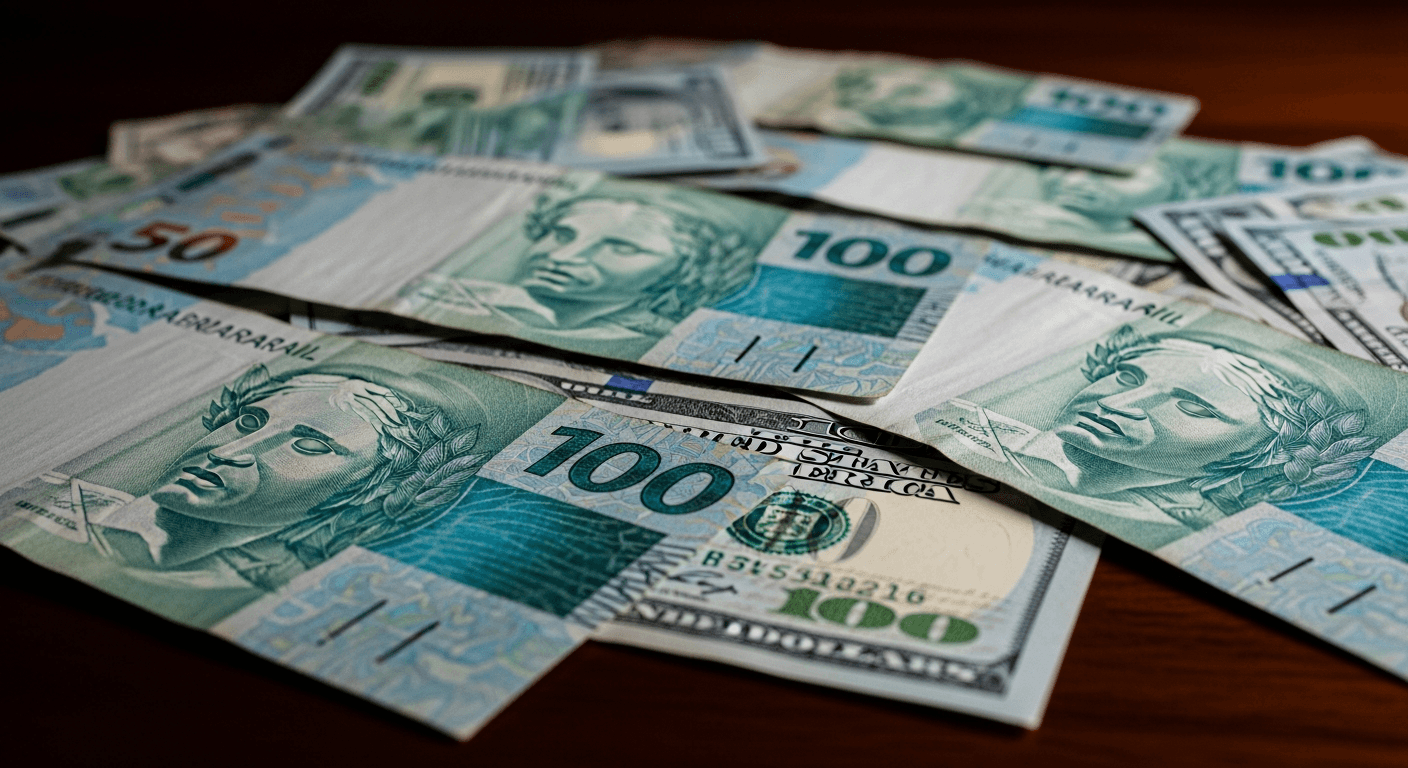
Brazil's Federal Police launched "Operation Dark Exchange," dismantling a ring that moved R$200 million via an unauthorized currency market.
PGR asks Supreme Court to move investigation into Fábio Luís Lula da Silva to a lower court, potentially lowering its political profile.
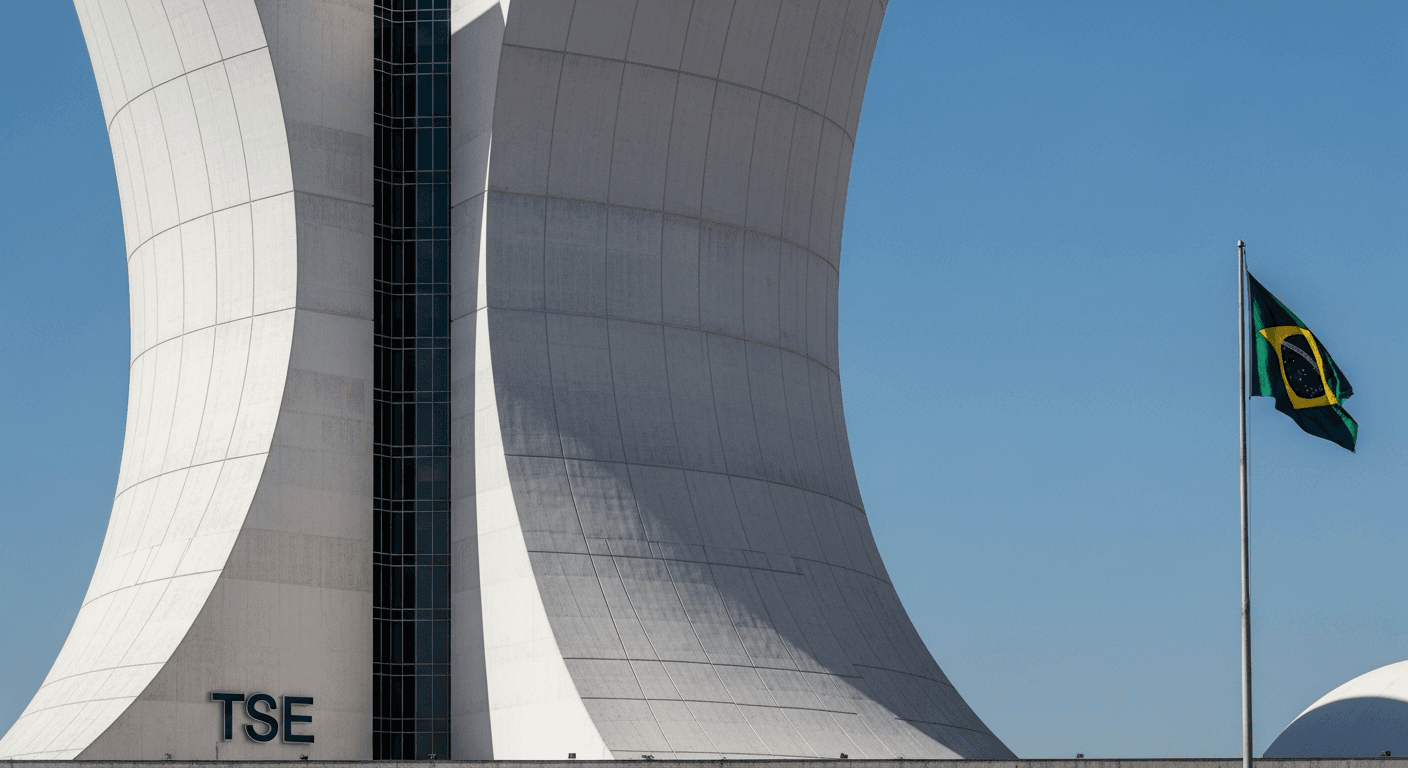
Brazil's Superior Electoral Court is defending a new rule limiting platforms from algorithmically recommending political candidates.
The government has delayed sending the final rates for its new Selective Tax to Congress, disrupting planning for consumer and commodity sectors.
Finance Minister Dario Durigan said market concerns over Brazil's rising public debt and mandatory spending are 'justified,' validating investor caution.
Romeu Zema, a leading candidate, detailed constitutional proposals to sharply reduce the power of Brazil's Supreme Federal Court (STF).
Over 20,500 candidates filed for Brazil’s 2026 election, featuring a record number of LGBT+ hopefuls.
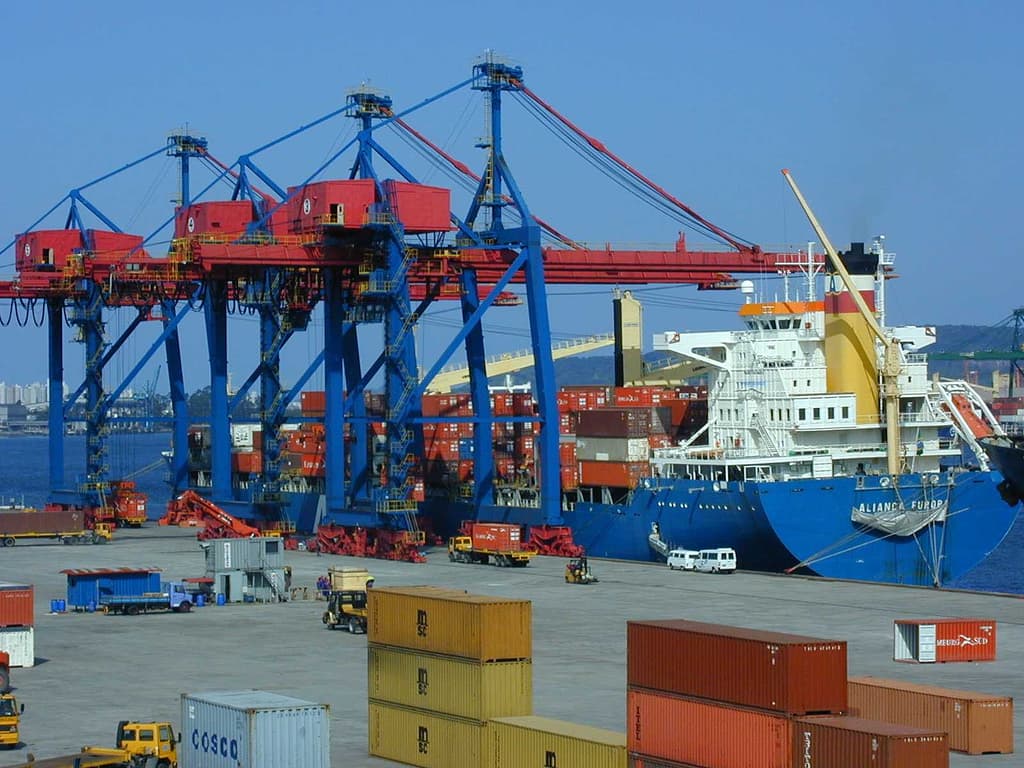
Brazil’s powerful Federal Court of Accounts (TCU) has authorized a controversial R$1.06 billion Santos Port logistics contract.
Brazil’s landmark tax reform, featuring a 28% estimated dual VAT rate, is immediately threatened by political exemptions and legal challenges at the Supreme Court.
Aneel is expediting cost-sharing rules for a 6GW battery auction, boosting investor security in Brazil's new BESS market.
Brazil's highest court unanimously ruled to apply key legal protections against violence regardless of domestic ties.
Organization of American States launches its fifth Electoral Observation Mission to scrutinize Brazil's election integrity and technology.
Brazil's Trade Minister has condemned new US tariffs ranging up to 37.5% but is prioritizing talks to avoid a trade war in the election year.
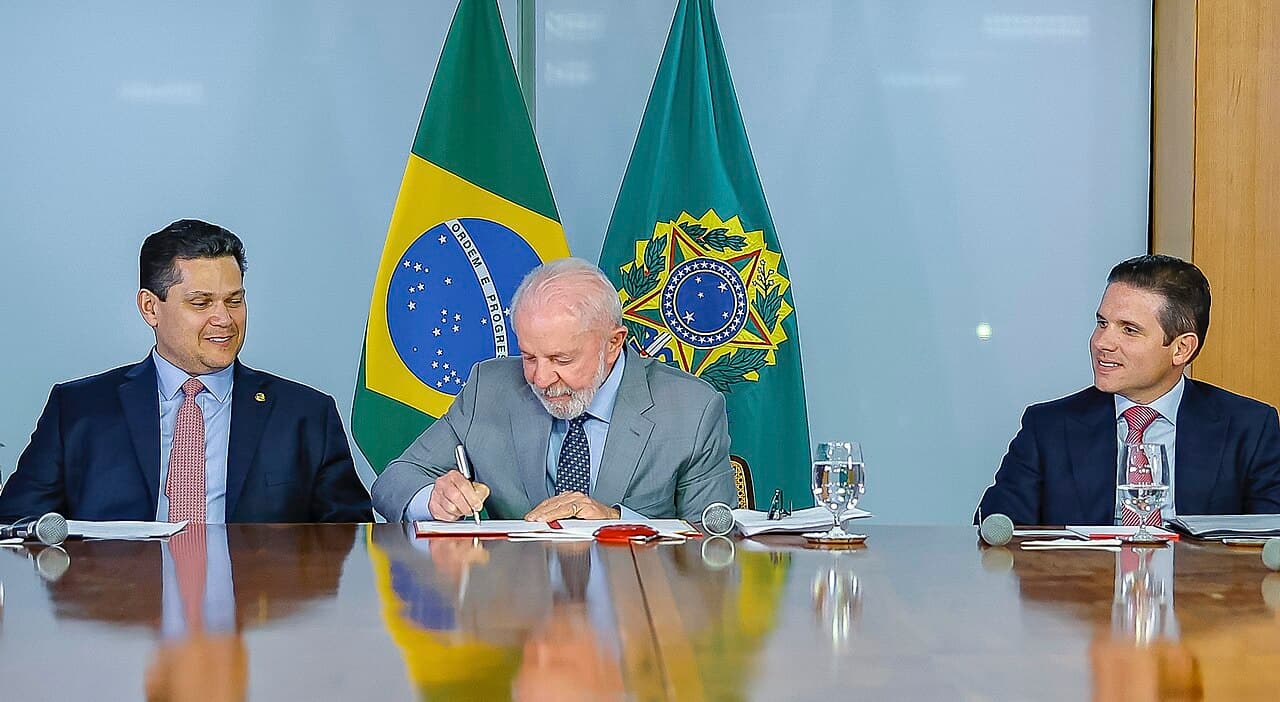
President Lula and Senate President Davi Alcolumbre reconcile, moving key government proposals through legislative gridlock.
Lack of post-election fiscal clarity from leading candidates is steepening Brazil's yield curve, signaling high long-term fiscal risk.
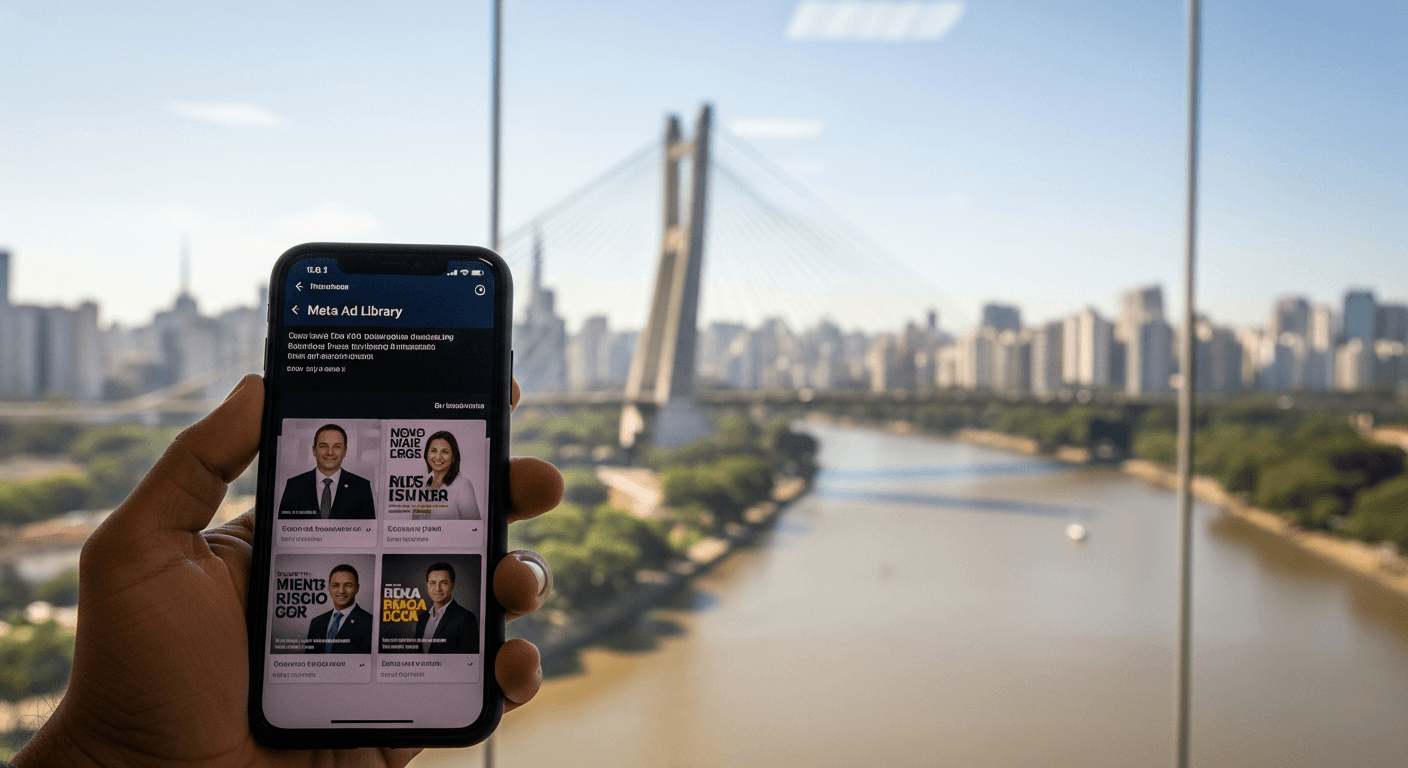
A joint study found political ad transparency on Meta and other platforms in Brazil is far weaker than in the EU and UK, complicating election oversight.
Brazil's Superior Electoral Court restricted platform algorithms from promoting political content ahead of the 2026 election, prompting US criticism.
Federal Police are investigating Fábio Luís Lula da Silva and Senator Flávio Bolsonaro, escalating political risk ahead of the election.
Tarcísio de Freitas is separating his political identity from the anti-vaccine rhetoric that defined the former Bolsonaro administration.
Gubernatorial frontrunners Tarcísio de Freitas and Fernando Haddad used a digital ad loophole to spend R$2.2M before limits began.
Political estrangement between President Lula and Senate President Davi Alcolumbre ends, unblocking key government agenda items.
The tight 2026 Brazil election race between Lula and Flávio Bolsonaro is increasing country risk due to a lack of detailed budget proposals.
Attorney General Paulo Gonet says blocking PCC, Comando Vermelho, and militias is key to protecting Brazilian democracy.
Diplomatic row escalates after Brazil delays agrément for US ambassador nominee Daniel Perez until after October election.
Cross-referenced data shows nine candidates for the 2026 Brazilian election have active arrest warrants, all for outstanding child support.
Provisional Measure zeros 20% federal import duty on low-value international purchases, reversing an unpopular 2024 policy.
Brazil's interim Governor of Rio de Janeiro moves to renegotiate R$26 billion in commercial bank debt to secure a state primary surplus.
Foreign investors pulled R$15.6 billion from the B3 stock exchange in August, signaling sharp anxiety over Brazil’s rising public debt and the looming 2026 election.