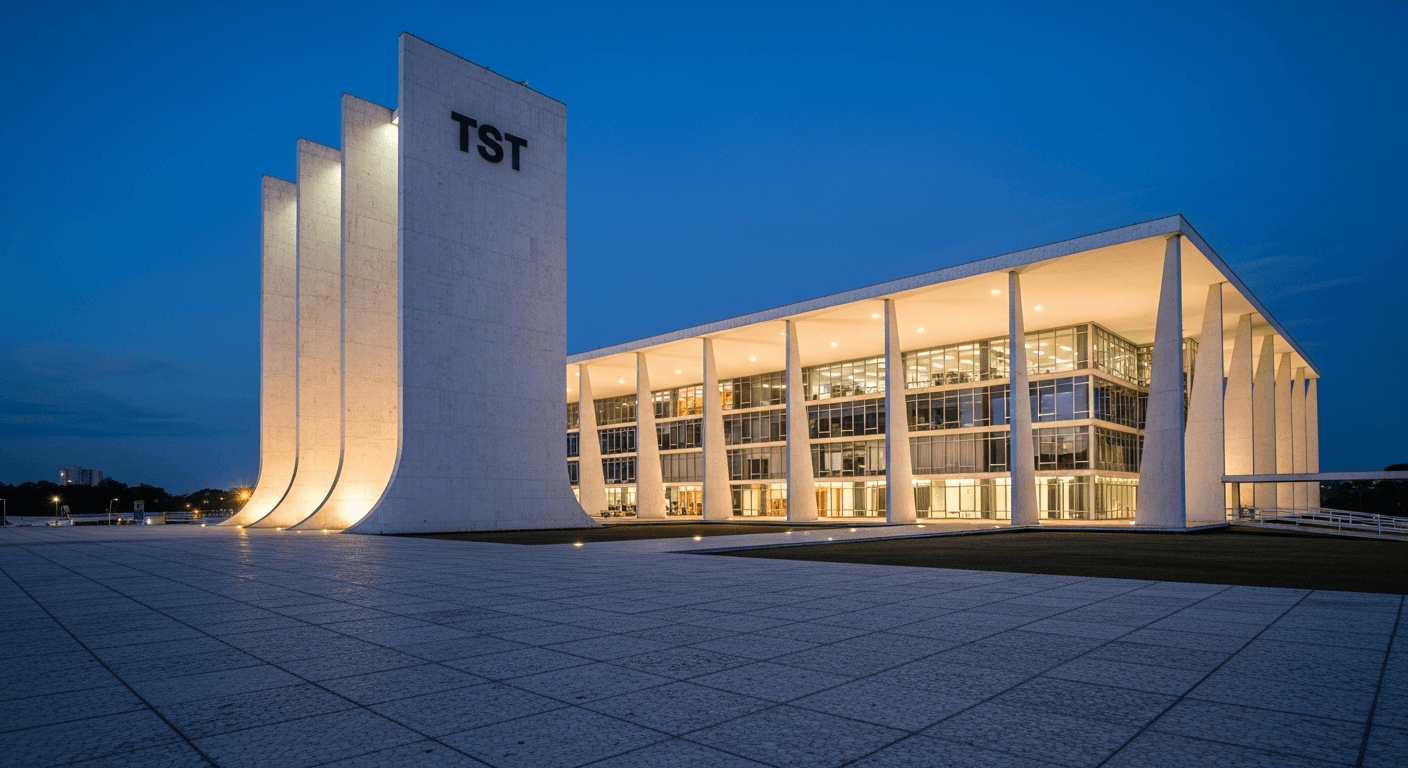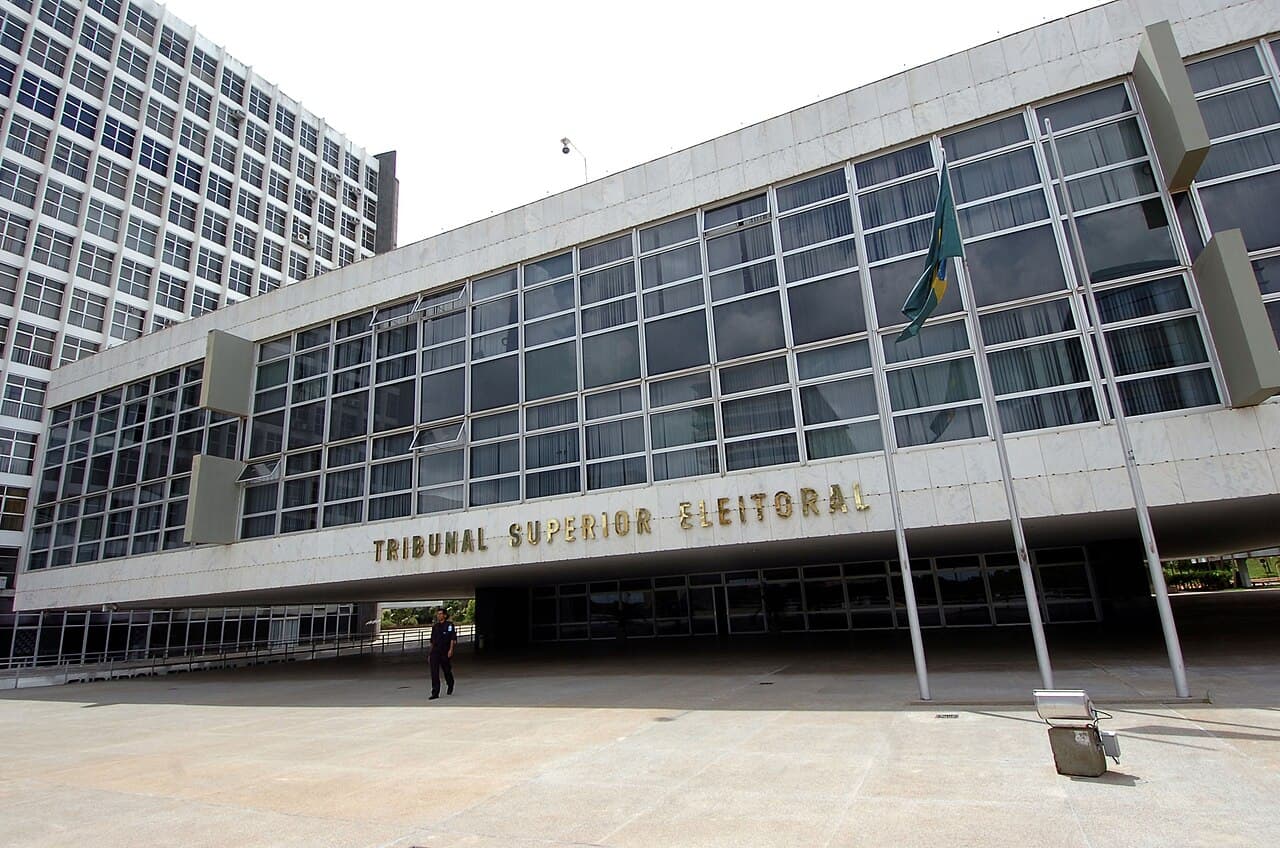
Brazil’s TSE Receives Election Integrity Plans From Digital Platforms Ahead of 2026 Vote
Major digital platforms and AI providers with over 5 million users in Brazil submitted compliance plans to the Superior Electoral Court.


Major digital platforms and AI providers with over 5 million users in Brazil submitted compliance plans to the Superior Electoral Court.
Presidential candidates Lula and Flávio Bolsonaro present starkly different plans for Brazil's state size, BNDES, and the public debt.
Brazil’s regulator has suspended 14 major online betting brands, including Pixbet, for failing to integrate with the government’s monitoring system.
Senator Flávio Bolsonaro, the main right-wing challenger, named key market figures to his team, signaling a fiscally conservative platform.
STF upholds Amazon Soy Moratorium's constitutionality but validates state laws denying tax breaks to participating companies.
Brazil's Supreme Federal Court upheld the 'Ferrari Law,' validating a 1979 statute that governs automaker-dealership relations.
Senate prioritizes Constitutional Amendment Proposal to reduce Brazil's maximum work week from 44 to 40 hours.
A London Crown Court allowed the SFO to use Lava Jato evidence, directly challenging an STF ruling that had nullified its use in Brazil.
Global asset managers are cutting exposure to the Brazilian Real and local bonds as political uncertainty heightens ahead of the 2026 election.
Brazil's market regulator, the CVM, is pursuing action against Banco do Brasil's CEO, Tarciana Medeiros, for recommending its stock.
State-owned Petrobras has confirmed an oil discovery off Amapá, crucial to replacing declining pre-salt reserves.
Brazilian President Luiz Inácio Lula da Silva links Petrobras's new oil find off the Amazon coast to national security and future wealth.
Frontrunner in Brazil's 2026 presidential election, Romeu Zema, pledges to ban the newly regulated sports betting market, creating massive regulatory uncertainty.
Analysis by Brazil's Superior Labor Court shows electoral coercion is largely institutional, not isolated, with alarmist narratives the main tool.
Superior Electoral Court Minister André Mendonça ruled that President Lula's explicit vote requests violated campaign rules.
STF ruling on Theme 1.455 restricts Brazilian cities from charging higher IPTU based solely on the physical area of the property.
Brazil's Supreme Federal Court reinterpreted the Marco Civil da Internet, holding digital platforms liable for commercial and technical failures.
The official campaign start for the 2026 Brazilian General Election reveals a high-stakes, technically tied race between Lula and Flávio Bolsonaro.
Senate President Davi Alcolumbre has shelved a proposed workweek reduction, a major Lula priority, until November, neutralizing a key electoral plank.
Brazilian retail giant Casas Bahia filed for judicial recovery and its CEO warned macroeconomic conditions will be tougher in 2027.
Brazil formally triggered its Economic Reciprocity Law in response to high US tariffs, escalating US-Brazil trade friction.
The official start of Brazil's presidential campaign has led to a market sell-off, driven by incumbent Lula's lead in recent polls.
Presidential candidate Augusto Cury’s proposal to fundamentally alter Brazil’s governance system introduces systemic constitutional risk into the election debate.
Brazilian President Luiz Inácio Lula da Silva is withholding consent for US ambassador-designate Daniel Perez until after the October election.
Brazil's main opposition candidate Flávio Bolsonaro released a platform focused on digital infrastructure, a 'global data center' push, and a widespread regulatory revamp.
Brazil's Federal Police intercepted messages between President Lula’s son, Fábio Luís Lula da Silva, and a lobbyist in a new traffic of influence inquiry.
President Lula has shifted his justification for Equatorial Margin drilling to national security following Petrobras's Morpho discovery.
Financial institutions are pressuring presidential candidates for a credible fiscal plan, citing debt concerns and high political risk.
A new poll shows Flávio Bolsonaro leading in the key agricultural state of Mato Grosso, underscoring Brazil's deep political divide.
TSE President Kassio Nunes Marques defended the security of Brazil’s electronic voting system to over 100 international diplomats.