
Brazil’s Supreme Court Mandates Free Mobile Data for Election Fact-Checks to Combat Disinformation
Brazil's Supreme Federal Court confirmed a ruling that mandates 'zero-rating' for official election websites and fact-checking partners, ensuring low-income voters can access verified information without using prepaid mobile data.
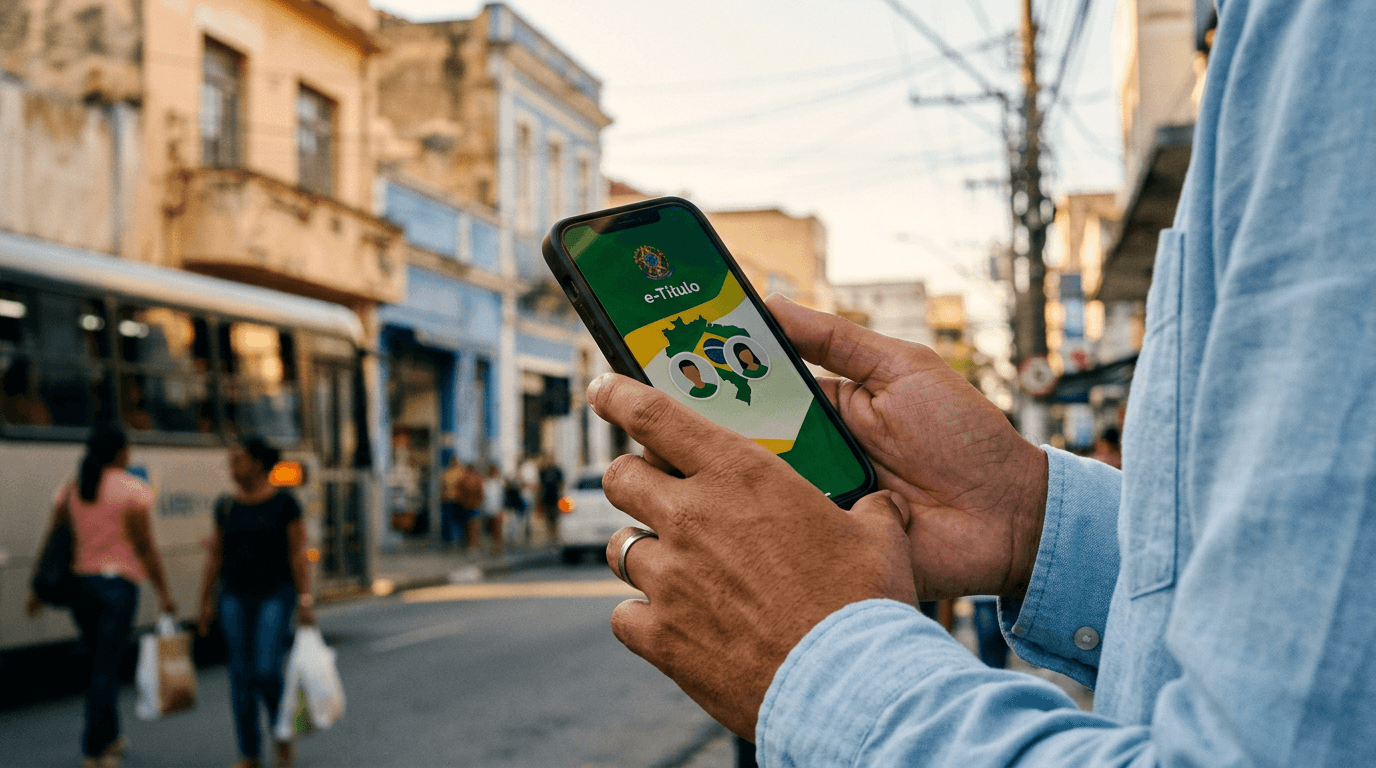
Brazil's Supreme Federal Court (STF) has confirmed a ruling that mandates free mobile data access—known as "zero-rating"—for key election-related websites and applications, a novel attempt by the judiciary to combat political disinformation ahead of the vote. The decision ensures that voters with exhausted prepaid mobile data plans can access official information from the Superior Electoral Court (TSE) and its fact-checking partners without charge or consuming their limited data allowance.
The ruling, confirmed by a majority vote of the full court in a virtual session, upholds an injunction issued by Justice Cristiano Zanin in the case known as ADPF 1355. This free access is limited to a "critical window" surrounding each of the two election rounds: the 72 hours before the vote and the 24 hours after the polls close. This period is often seen as a peak time for the spread of last-minute false narratives and election results. The measure specifically covers all official Electoral Justice domains, which include services like the digital voter ID app e-Título, voter registration lookup, and the TSE’s Fato ou Boato (Fact or Hoax) website.
Crucially, Justice Zanin extended the zero-rating mandate to include the websites of the TSE’s partner fact-checking agencies. This network, which includes major Brazilian news outlets and independent fact-checkers like Agência Lupa, Aos Fatos, Estadão Verifica, and UOL Confere, is viewed by the court as a necessary safeguard for voters who rely on social media for information. The court's rationale is that this measure is essential to prevent low-income voters, who often depend on sporadic mobile data top-ups, from being "confined to algorithmic bubbles" of misinformation by ensuring they have free access to verified sources and official refutations.
The decision places the responsibility of implementation on the National Telecommunications Agency (Anatel) and Brazil's mobile network operators. Anatel, which oversees the telecom sector, had previously raised a concern with the STF that an unrestricted release of internet access could cause traffic peaks severe enough to interrupt mobile connectivity on election days. However, by limiting the scope to specific, election-related URLs and a brief time window, the court opted for a targeted intervention designed to mitigate political risk by boosting media literacy and access to factual information.
What it touches
The ruling directly affects Brazil's major telecom operators by requiring them to implement the zero-rating policy for the mandated sites and applications during the election period. While the narrow scope limits the financial impact on mobile data revenue, the administrative and network capacity concerns raised by Anatel highlight a point of tension between judicial mandates aimed at digital policy and the operational realities of the sector.
Latest articles
Agro
Brazilian Soybean Farmers Resist Selling Despite US Price Drop, Shifting Focus to Critical Cerrado Planting Risk
Published
NASDAQ · PRO
Sigma Lithium Shares Drop 3.2% as Brazil Regulator Orders Partial Mine Halt Over ‘Imminent Risk’
Published
Politics
Oxford Economics Outlines Two Contending Economic Futures for Brazil's Next Government
Published