

Court Proposes 11.3% Reference Rate for Brazil's New Federal VAT
Brazil's Federal Audit Court unanimously approved an 11.3% reference rate for the new CBS tax, higher than initial estimates due to congressional exceptions.
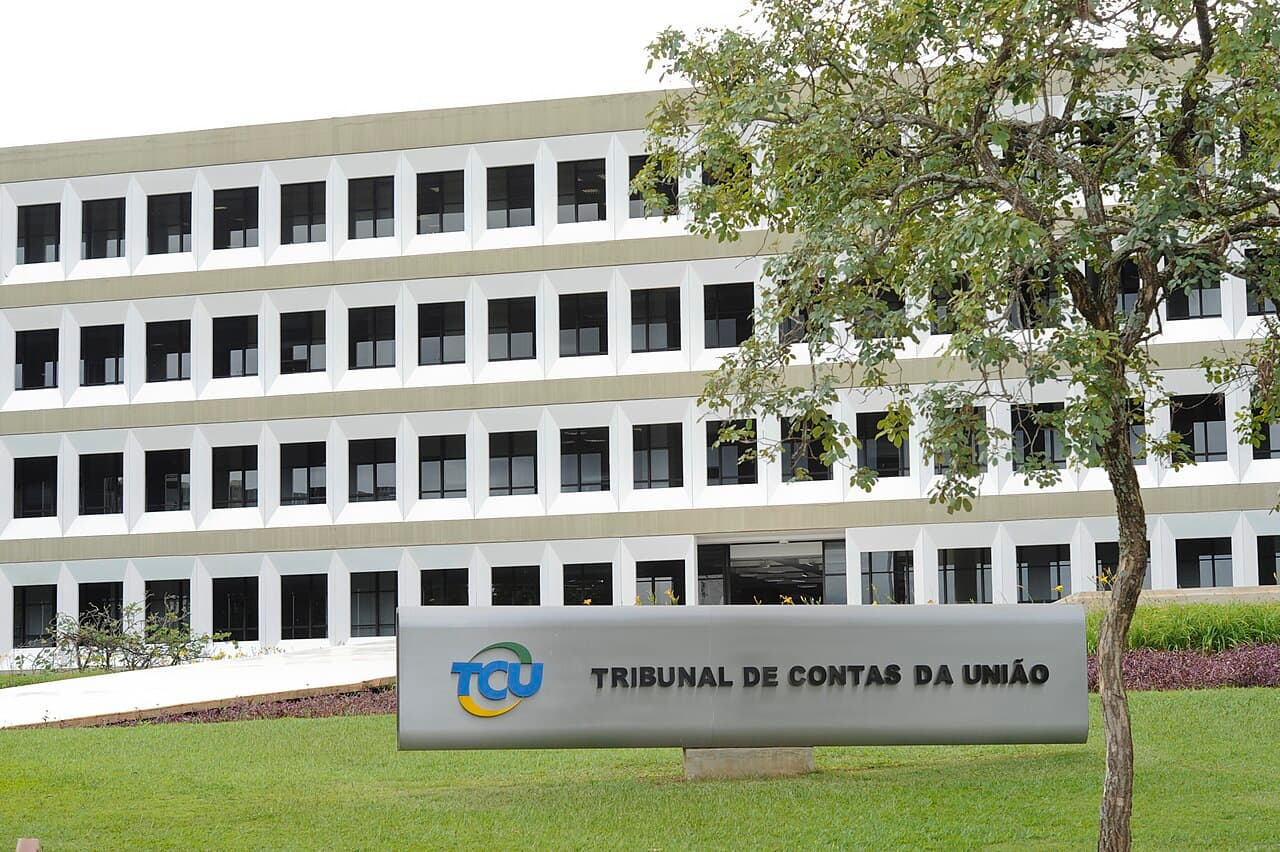
Key takeaways
- Brazil's Federal Audit Court (TCU) unanimously approved an 11.3% reference rate for the new federal CBS tax on October 28, 2026, per the Brazilian Chamber of the Construction Industry (CBIC).
- TCU President Vital do Rêgo told a Senate hearing on November 17, 2026, that numerous congressional exemptions pushed the rate above previous 9.21% estimates, per Poder360.
- If the Senate does not vote to change the rate by December 15, 2026, the 11.3% calculation automatically becomes the provisional rate for 2027, per CBIC.
Brazil’s Federal Audit Court (TCU) unanimously approved an 11.3% reference rate for the country's new federal value-added tax on October 28, 2026, setting a benchmark that is significantly higher than previous government estimates CBIC. This default rate for the new Contribuição sobre Bens e Serviços (CBS)—which will replace existing PIS and Cofins federal taxes on January 1, 2027—threatens to increase the general cost of doing business across South America's largest economy CBIC.
The 11.3% calculation (specifically 11.3468%) serves as the standard baseline for the federal portion of Brazil's massive tax overhaul Poder360. It substantially exceeds the 9.21% rate previously estimated by the Ministry of Finance, surprising business leaders and legislators Poder360. Under the rules of Brazil’s constitutional tax reform, the TCU was tasked with technical modeling to ensure the transition remains revenue-neutral, meaning the new simplified consumption tax must generate the same relative collection as the complex system it replaces Poder360.
During a Senate Economic Affairs Committee hearing in Brasília on November 17, 2026, TCU President Vital do Rêgo explained that the rate rose because Congress approved an extensive list of sector-specific exemptions and tax relief during legislative debates Poder360.
"The final text brought reductions, tax exemptions, and other differentiated treatments that influence the result of the calculation," Vital do Rêgo told lawmakers, according to a report by Poder360.
He emphasized that comparing the final technical calculation to earlier, looser estimates is not appropriate because the initial projections did not account for all the tax carve-outs later added by Congress Poder360.
The Senate now has until December 15, 2026, to vote on and potentially adjust the proposed rate by resolution CBIC. If senators do not act by this deadline, the TCU's 11.3% calculation will automatically go into effect as the provisional legal rate starting January 1, 2027 CBIC. The first phase of the transition will see this rate applied, with a temporary 0.1 percentage point reduction in 2027 and 2028 for operation-level standard transactions, while the shared state and municipal tax (IBS) starts at a combined 0.1% Poder360.
In your brokerage app
For international investors holding New York-listed Brazilian equities, the tax reform remains a critical risk factor. Companies such as payment processor StoneCo (NASDAQ: STNE), digital banking group Nu Holdings (NYSE: NU), financial services provider PagSeguro (NYSE: PAGS), e-commerce giant MercadoLibre (NASDAQ: MELI), and beverage giant Ambev (NYSE: ABEV) operate within the broader Brazilian macroeconomic environment now transitioning to this dual VAT system. A higher standard rate for the federal CBS could elevate corporate operational costs if companies are unable to pass the tax burden on to consumers, an exposure also reflected in the benchmark MSCI Brazil ETF (NYSE Arca: EWZ).
Related coverage
 Court Audits Free Up R$ 4.7 Billion in Brazilian Treasury CashBrazilian court audits reject an OAB appeal, clearing the way to claw back R$ 4.7 billion in judicial debts and cushioning the sovereign balance sheet.
 Enel ADR Faces São Paulo Concession Loss After Regulator VoteRegulators in Brazil have formed a majority to recommend terminating Enel SpA's major power distribution concession in São Paulo.
 Proposed 3% Brazilian Digital Tax Targets US Tech GiantsBrazilian Congressional Leader Randolfe Rodrigues submitted PLP 308/2026, proposing a 3% digital services tax on large tech platforms.