
Trump Says He Is Watching Brazil's Election 'Very Closely'
Donald Trump’s comments on Brazil's election come as Brazilian authorities launch a probe into alleged U.S. government funding of anti-Supreme Court groups.
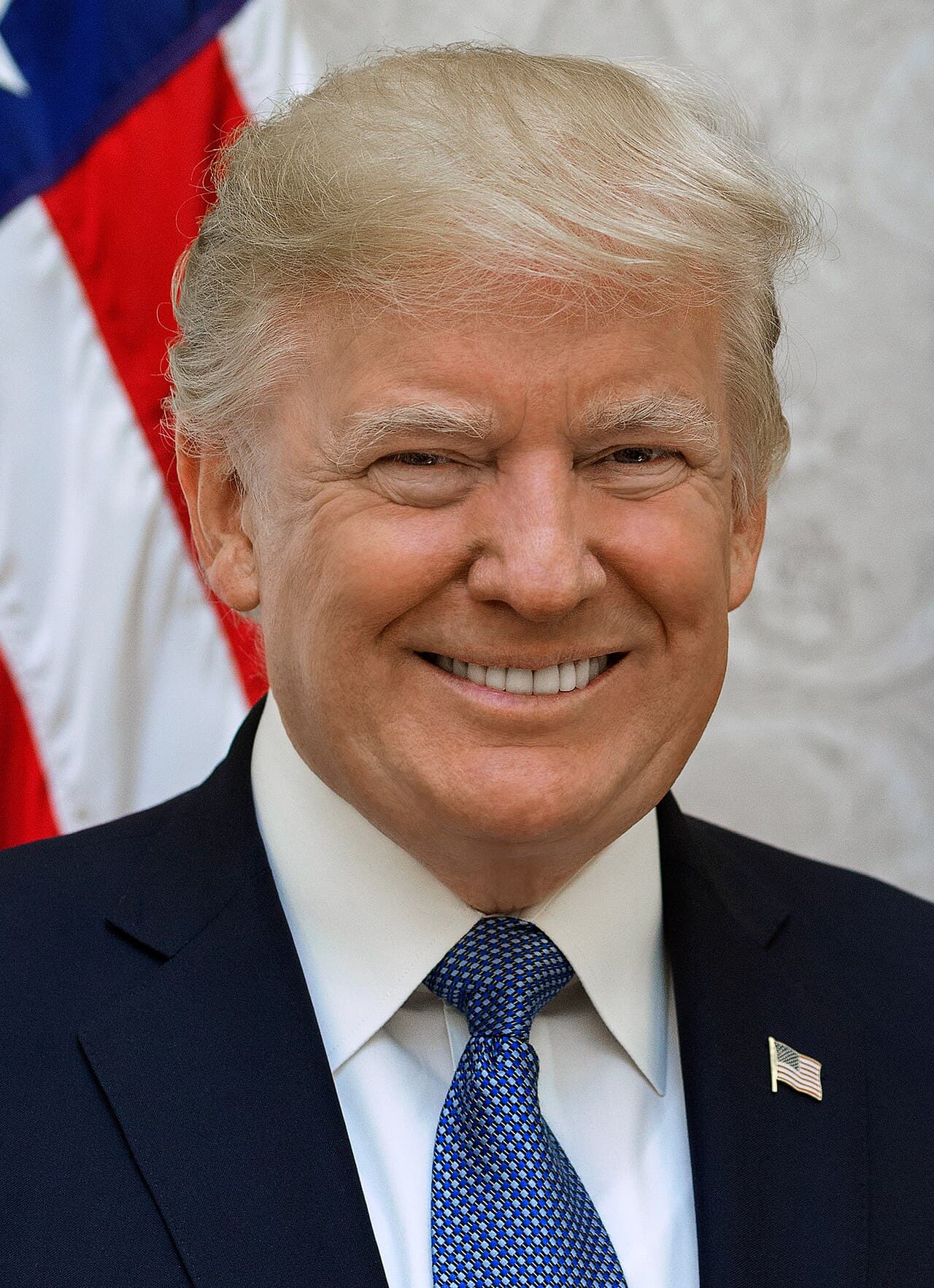
On October 1, 2026, U.S. President Donald Trump stated that he is watching Brazil’s upcoming presidential election "very closely," calling the vote "very important". Speaking to reporters before traveling to Texas and Oklahoma, Trump praised the Brazilian people but stopped short of endorsing a specific candidate. His comments have injected fresh geopolitical tension into an already polarized race, scheduled for its first round on Sunday, October 4, between leftist incumbent President Luiz Inácio Lula da Silva and conservative Senator Flávio Bolsonaro, the son of former President Jair Bolsonaro.
The U.S. president's remarks coincided with a major diplomatic and legal flare-up in Brasília. On the same day, Brazil’s Attorney General’s Office (AGU), led by Jorge Messias, formally requested that the Federal Police and the Prosecutor-General’s Office investigate whether the U.S. government has been funding domestic civil society groups to undermine Brazil’s Supreme Court (STF). The AGU’s request followed a report by the British newspaper The Guardian, which alleged that the Trump administration planned to direct $1 million from the State Department’s Human Rights and Democracy Fund to a project titled "Countering Lawfare and Censorship in Brazil".
According to Brazilian authorities, the reported funding was allegedly intended to support groups challenging the Supreme Court over its actions against conservative figures. Attorney General Messias warned on social media platform X that while disagreements between governments are normal, foreign political interference in Brazilian institutions "cannot be tolerated". The Brazilian Intelligence Agency (ABIN) had already briefed European officials in late September regarding potential electoral interference from Washington.
The "Trump factor" has loomed large over the campaign. The Trump administration has previously pressured Lula's government by raising tariffs on Brazilian goods, canceling visas, and sanctioning Brazilian officials—including Supreme Court Justice Alexandre de Moraes—over what Washington characterized as political censorship. Meanwhile, Flávio Bolsonaro, who met with Trump at the White House in May, has campaigned on aligning Brazil with Washington’s regional security initiatives.
As Brazilians head to the polls, the race remains a dead heat, with recent surveys showing Lula and Flávio Bolsonaro locked within the margin of error for a potential runoff. The outcome of the federal police investigation and Sunday's vote will determine whether Latin America's largest democracy remains a progressive stronghold or shifts back toward a tight alliance with Washington.