

Supreme Court Resets Key Vote on Brazil 42-Hour Workweek
A Supreme Court decision to move a labor reform trial to the physical plenary has reset a 4-0 vote, keeping major retail and logistics employers in limbo.

Key takeaways
- STF Minister Luiz Fux moved the trial to the physical plenary, resetting a 4-0 vote, per Supreme Court records on November 14, 2026
- The 42-hour workweek transition is mandated by Constitutional Amendment 141/26 to begin on December 16, 2026
- Flávio Dino's previous ruling allowing companies to distribute rest hours via collective bargaining is now on hold, per STF on November 14, 2026
American investors holding Latin American retail giants like Mercado Libre are facing renewed uncertainty over their future labor costs after a crucial Brazilian Supreme Court vote was abruptly reset to zero. On November 14, 2026, Supreme Federal Court (STF) Minister Luiz Fux formally requested to move the trial of a critical labor reform transition from the virtual platform to the physical plenary. The procedural move erased a building 4-0 consensus in the virtual court, throwing corporate transition plans into disarray just weeks before new workplace mandates take effect.
The looming transition to a 42-hour workweek, down from the traditional 44 hours, is mandated by Brazil's Constitutional Amendment 141/26 and is scheduled to begin on December 16, 2026. The landmark Brazil labor reform was designed to gradually phase out the country's common "6x1" work scale—where employees work six days and rest for one—in favor of a "5x2" model, with the weekly limit falling further to 40 hours by December 2027. To soften the operational blow for businesses, STF Minister Flávio Dino had issued an injunction (liminar) on November 12, 2026, establishing a transitional framework.
Dino's previous ruling had allowed companies to distribute resting hours flexibly via collective bargaining, which is now put on hold pending the new physical trial. Under that temporary ruling, employers without an active union agreement were permitted to schedule shifts of up to 8 hours and 24 minutes per day without triggering daily overtime pay, provided the weekly limit remained at 42 hours. By forcing the case into a live physical session, Fux has effectively suspended those employer-friendly flexibilities. According to court guidelines, the physical trial will restart the entire voting process from scratch, wiping out the initial support Dino had secured from ministers Cármen Lúcia, Alexandre de Moraes, and Gilmar Mendes.
For major employers in Brazil, particularly in labor-intensive sectors like e-commerce, brick-and-mortar retail, and logistics, this legal reset reopens a massive operational headache. Without the flexible parameters established in Dino's initial ruling, companies face the prospect of a rigid December 16, 2026, deadline with very few legal mechanisms to adjust schedules without incurring immediate overtime liabilities. Business associations, including the National Confederation of Commerce (CNC), have heavily lobbied the Supremo Tribunal Federal for delays, warning that a sudden, inflexible reduction in weekly hours could severely spike payroll expenses.
What happens next lies in the hands of Supreme Court President Edson Fachin, who is tasked with scheduling the physical trial. Because the transition deadline is less than a month away, corporate planners and labor unions are closely watching to see if the court will assemble and issue a new ruling before the December 16 mandate. Until a formal decision is reached in the physical plenary, the legal status of transition agreements remains highly unstable.
In your brokerage app
American investors holding shares of regional retail and logistics leaders like Mercado Libre (listed in New York as MELI) or digital payment processors like StoneCo (STNE) and PagSeguro (PAGS) should monitor these developments closely. While these companies operate highly optimized supply chains, an inflexible reduction in weekly working hours directly threatens to inflate warehouse, delivery, and customer support labor costs in their primary market, potentially squeezing operating margins starting in the fourth quarter of 2026.
Related coverage
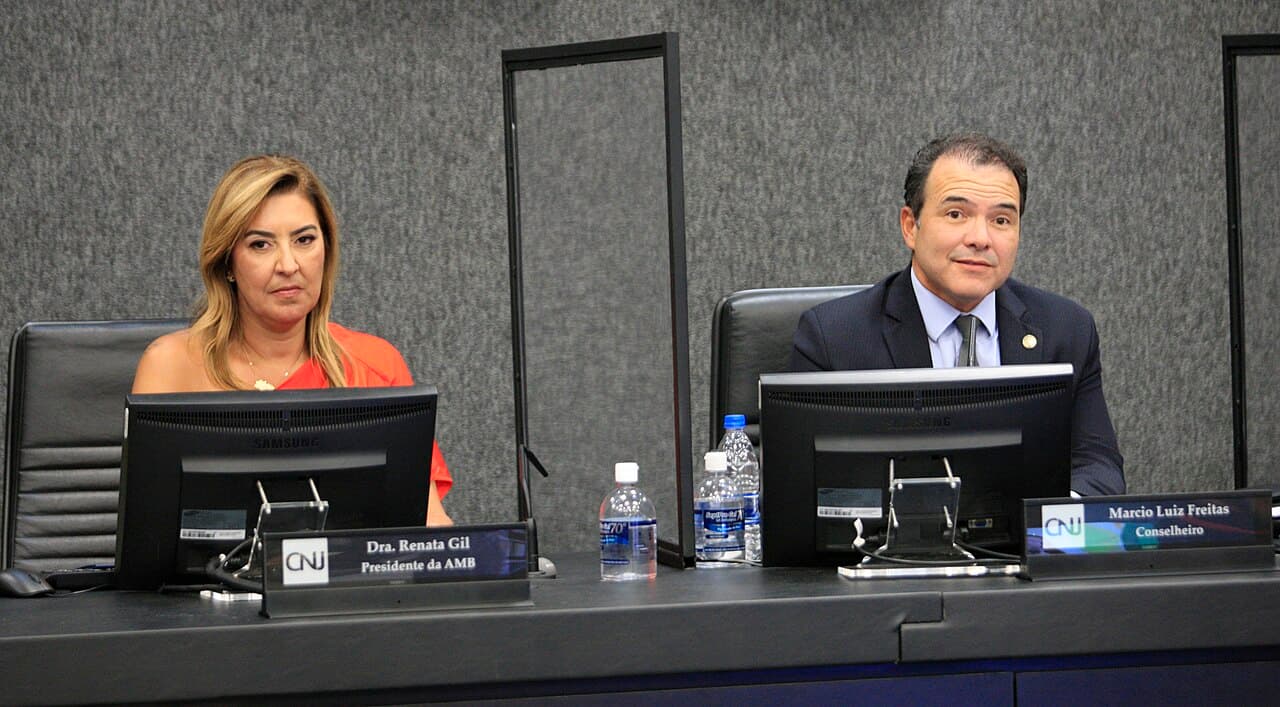 Court Audits Free Up R$ 4.7 Billion in Brazilian Treasury CashBrazilian court audits reject an OAB appeal, clearing the way to claw back R$ 4.7 billion in judicial debts and cushioning the sovereign balance sheet.
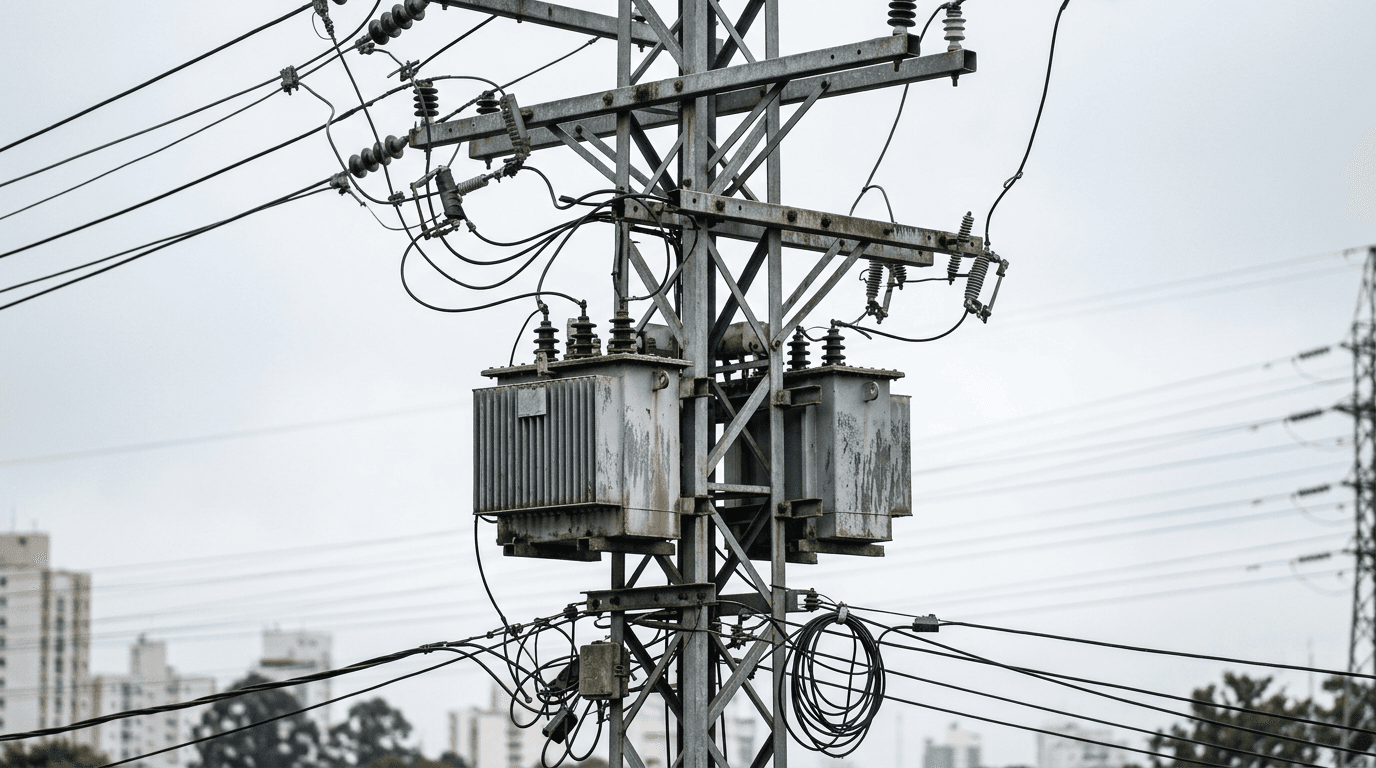 Enel ADR Faces São Paulo Concession Loss After Regulator VoteRegulators in Brazil have formed a majority to recommend terminating Enel SpA's major power distribution concession in São Paulo.
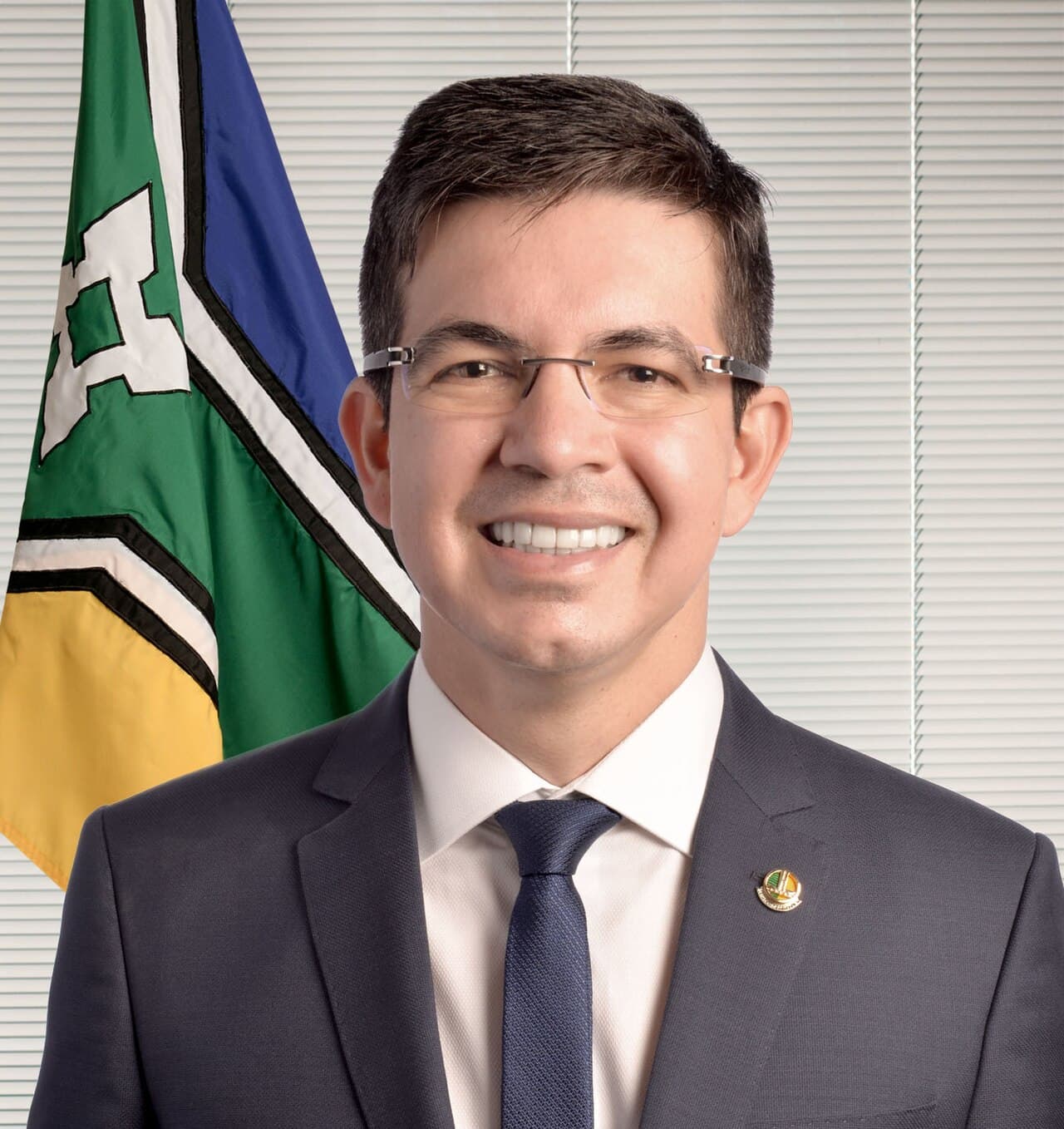 Proposed 3% Brazilian Digital Tax Targets US Tech GiantsBrazilian Congressional Leader Randolfe Rodrigues submitted PLP 308/2026, proposing a 3% digital services tax on large tech platforms.