

Stagflation Fears Pressure Brazil ETF EWZ After Q3 GDP Proxy Shrinks
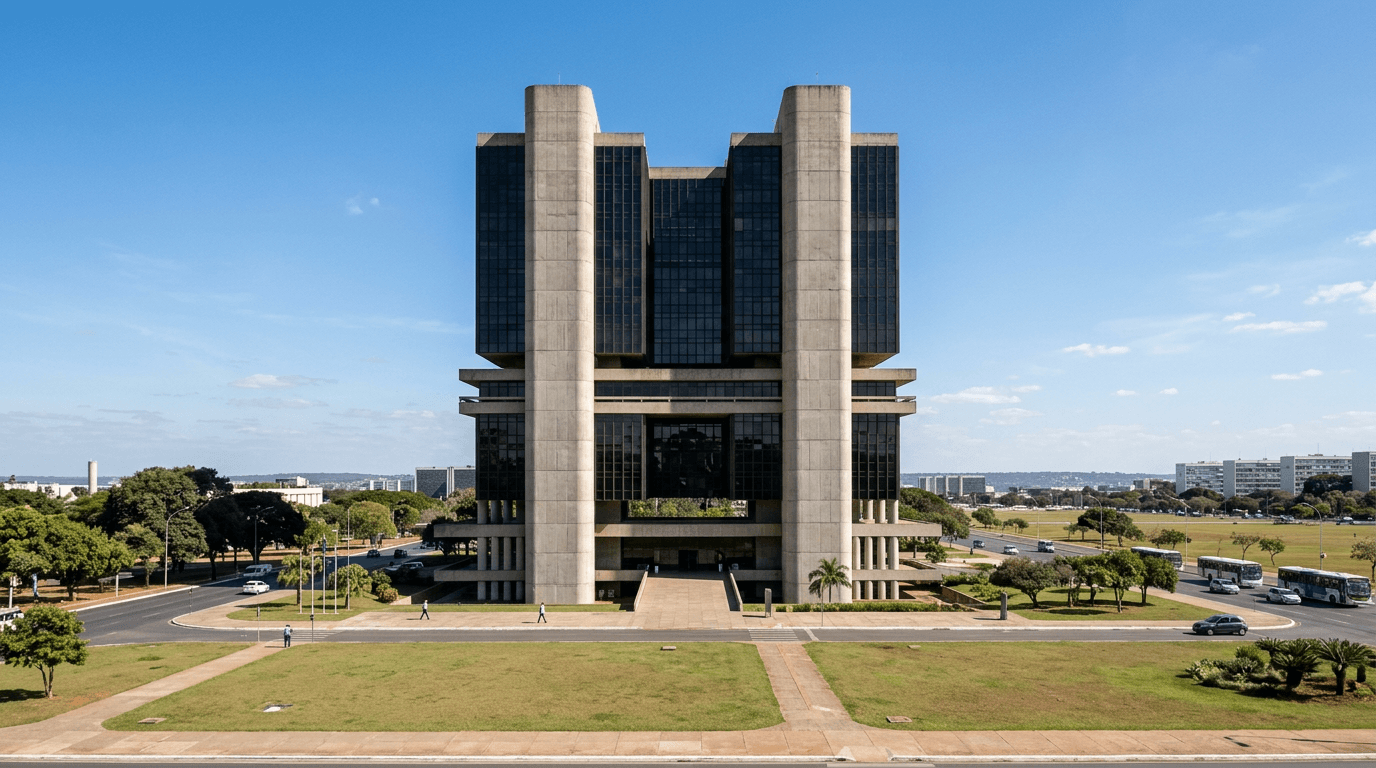
The U.S.-listed Brazil ETF EWZ faces selling pressure after Brazil's Q3 economic proxy contracted 0.9%, signaling deep stagflation risks under a 13.75% interest rate.
Key takeaways
- The Central Bank of Brazil announced that the IBC-Br economic activity index contracted by 0.9% in Q3 2026, per Central Bank of Brazil on November 16, 2026
- September's monthly economic activity contraction was 0.2%, slightly better than the 0.3% drop expected by economists, per Central Bank of Brazil on November 16, 2026
- The U.S. economy grew by an annualized 3.4% in the third quarter of 2026, widening the macro divergence with Brazil, per official government data in late 2026
- Brazil’s benchmark Selic interest rate remained steady at 13.75%, keeping borrowing costs highly restrictive, per monetary policy decisions as of November 16, 2026
American retail investors holding shares of the largest exchange-traded fund tracking South America's biggest economy are facing a tough macro divergence. While domestic stock portfolios have been bolstered by a robust U.S. economy that expanded at an annualized 3.4% rate in the third quarter of 2026, the primary gateway for U.S. capital into Brazilian equities—the iShares MSCI Brazil ETF (EWZ)—is confronting intensifying headwinds. A sharp slowdown in Brazilian economic activity is raising the specter of stagflation, threatening corporate earnings just as local interest rates remain stubbornly high.
On November 16, 2026, the Central Bank of Brazil announced that its IBC-Br economic activity index, a widely watched monthly proxy for gross domestic product (GDP), contracted by 0.9% in the third quarter of 2026 compared to the second quarter. The decline marks the largest quarterly contraction since the COVID-19 pandemic, underscoring how aggressively high borrowing costs are cooling the nation's productive sectors. Although September's individual monthly contraction of 0.2% came in slightly better than the 0.3% drop forecasted by economists in a Reuters poll, the broader quarterly decline reveals systemic weakness across agriculture, industry, and services.
For an foreign investor, the mechanism behind this contraction is a direct result of Brazil's battle with inflation. To combat rising consumer prices, the Central Bank of Brazil's monetary policy committee, known as Copom, has kept the benchmark Selic interest rate at a highly restrictive 13.75%. This tight monetary stance has successfully squeezed demand, but it has also significantly raised borrowing costs for Brazilian corporations, squeezing profit margins and depressing the consumer discretionary sectors that dominate the benchmark index. While the local currency, the Brazilian real, hovered at 5.7302 per U.S. dollar on November 16, 2026, high inflation expectations continue to prevent the central bank from easing its stance, creating a challenging environment of high rates and shrinking growth.
This widening divergence between a booming U.S. market and a cooling Brazilian economy is forcing global asset managers to reassess their emerging market exposure. While the Brazilian government has attempted to spur domestic consumption through measures like raising income tax exemptions and offering credit forgiveness to small businesses, these fiscal incentives have complicated the central bank's inflation-targeting mission. Investors will get a more definitive look at the macroeconomic damage on December 2, 2026, when the official Brazilian institute of geography and statistics (IBGE) releases the formal third-quarter GDP figures.
In your brokerage app
For retail investors using platforms like Schwab, Fidelity, or Robinhood, this macroeconomic squeeze directly affects the iShares MSCI Brazil ETF, which trades under the ticker EWZ. The fund, which holds heavy concentrations in large-cap state-backed giants like petroleum producer Petrobras and mining firm Vale, is highly sensitive to both the USD-BRL exchange rate and domestic consumer demand. As long as the Selic rate remains pinned at 13.75% and economic growth continues to stall, the underlying earnings potential of these Brazilian corporate heavyweights remains under pressure, limiting investor sentiment for the U.S.-listed fund relative to domestic equities.
Related coverage
 Court Audits Free Up R$ 4.7 Billion in Brazilian Treasury CashBrazilian court audits reject an OAB appeal, clearing the way to claw back R$ 4.7 billion in judicial debts and cushioning the sovereign balance sheet.
 Enel ADR Faces São Paulo Concession Loss After Regulator VoteRegulators in Brazil have formed a majority to recommend terminating Enel SpA's major power distribution concession in São Paulo.
 Proposed 3% Brazilian Digital Tax Targets US Tech GiantsBrazilian Congressional Leader Randolfe Rodrigues submitted PLP 308/2026, proposing a 3% digital services tax on large tech platforms.