

Southeast Asian Trade Pivot Shields South American Agribusiness
President Lula's diplomatic push at the ASEAN Summit in Manila aims to insulate Brazilian exporters like Vale and JBS from rising global tariffs.
Key takeaways
- Luiz Inácio Lula da Silva formally advocated for Full Dialogue Partner status with ASEAN during his visit to Manila on November 13-15, 2026, per Agência Brasil.
- Bilateral trade between Brazil and ASEAN reached $38.4 billion in 2025, per Agência Brasil on November 15, 2026.
- More than 100 Brazilian companies, including Vale and JBS, joined a business forum in Manila on November 14, 2026, per Agência Brasil.
For American retail investors holding diversified global portfolios or major natural resource equities, the shifting landscape of global trade tariffs is forcing a strategic restructuring of international supply lines. Unilateral tariffs and trade frictions are driving major commodity exporters to secure alternative markets to protect their revenues from geopolitical shocks. This structural transition was on full display over the weekend of November 13-15, 2026, in Manila, where leaders of the ten-nation Association of Southeast Asian Nations (ASEAN) convened for their 49th annual summit to negotiate new regional free trade alliances.
Brazilian President Luiz Inácio Lula da Silva participated in the summit as Guest of the Chair, using the platform to formally request that Brazil's diplomatic relationship with ASEAN be elevated to a Full Dialogue Partner. According to official reports from Agência Brasil on November 15, 2026, Lula proposed reviving dormant free trade agreements between ASEAN and the South American Mercosur trade bloc. This diplomatic push is a direct response to global trade tensions, with Lula explicitly stating that rising U.S. tariffs have accelerated South America's drive to diversify its customer base rather than relying on Western market access.
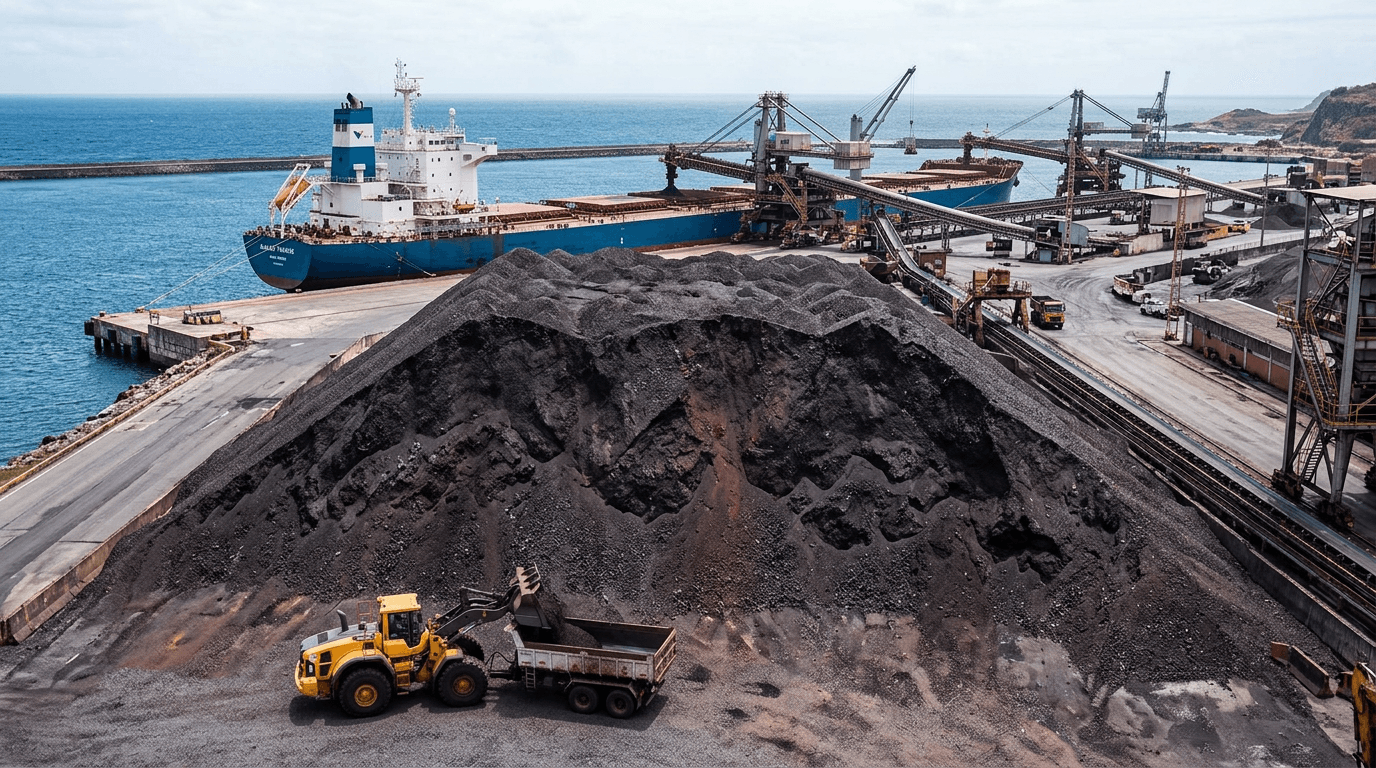
The scale of this shift is reflected in the trade volumes. During his address in Manila on November 15, 2026, Lula noted that bilateral trade between Brazil and the ASEAN bloc reached $38.4 billion in 2025, making the Southeast Asian coalition the country's fifth-largest trading partner. To cement these ties, a delegation of more than 100 prominent Brazilian corporations—including New York-listed mining titan Vale S.A., global meatpacking leader JBS, and aerospace manufacturer Embraer—participated in a bilateral business forum in the Philippines on November 14, 2026, to expand export channels and secure direct supply chains.
For food producers like JBS, Southeast Asia is an increasingly critical hedge, though local protectionism remains a key challenge. The Philippines is currently the top destination for Brazilian pork exports, yet the Philippine Department of Agriculture announced on November 14, 2026, a temporary 60-day suspension on pork imports starting November 24, 2026, to support domestic prices. Brazilian officials expressed optimism that ongoing bilateral negotiations would quickly resolve such agricultural disputes, highlighting the necessity of formal, bloc-to-block trade agreements to stabilize market access.
Beyond agriculture, the pivot focuses heavily on securing investments for critical minerals and the energy transition. Lula emphasized during his press briefing on November 15, 2026, that his administration is seeking Asian technology and capital to develop domestic processing facilities for critical minerals, aiming to shift Brazil away from exporting raw materials. This strategy offers companies like Vale a long-term pathway to diversify their revenue streams, establishing deep industrial partnerships with fast-growing Asian economies that are insulated from fluctuating Western regulatory environments.
What happens next depends on the implementation of existing frameworks. Singaporean Prime Minister Lawrence Wong and Lula met on November 15, 2026, to discuss advancing the Mercosur-Singapore trade agreement, a deal that could serve as a blueprint for wider ASEAN-Mercosur integration. If other Southeast Asian nations move forward with similar bilateral trade pacts, it will structurally redirect global flows of soybeans, meat, and iron ore, altering the risk profile of international agribusiness investments.
In your brokerage app
For U.S. retail investors, this geopolitical shift directly touches the performance of Vale S.A., which is listed on the New York Stock Exchange. As one of the largest holdings in the iShares MSCI Brazil ETF, the mining giant’s transition toward secure Asian markets could help stabilize its long-term export volumes, making it a critical asset to watch as South American exporters hedge against Western tariff risks.
Related coverage
 Court Audits Free Up R$ 4.7 Billion in Brazilian Treasury CashBrazilian court audits reject an OAB appeal, clearing the way to claw back R$ 4.7 billion in judicial debts and cushioning the sovereign balance sheet.
 Enel ADR Faces São Paulo Concession Loss After Regulator VoteRegulators in Brazil have formed a majority to recommend terminating Enel SpA's major power distribution concession in São Paulo.
 Proposed 3% Brazilian Digital Tax Targets US Tech GiantsBrazilian Congressional Leader Randolfe Rodrigues submitted PLP 308/2026, proposing a 3% digital services tax on large tech platforms.