

Senate OKs $10 Billion Spending-Cut Package in Key Brazil Vote
The Brazilian Senate approved the base text of PLP 299/2026, targeting up to $10.4B in savings in 2027 to curb spending and cool inflation.
Key takeaways
- The Brazilian Senate approved the base text of PLP 299/2026 by a 45-to-31 vote, per the Senate Portal on November 12, 2026
- The fiscal package targets R$ 50 billion to R$ 60 billion in 2027 savings, per the Ministry of Planning on November 13, 2026
- Real expenditure growth will be capped at 2.0% during fiscal containment periods, per the approved bill text on November 12, 2026
- Senators scheduled a final vote on amendments for November 17, 2026, per Senate leadership on November 16, 2026
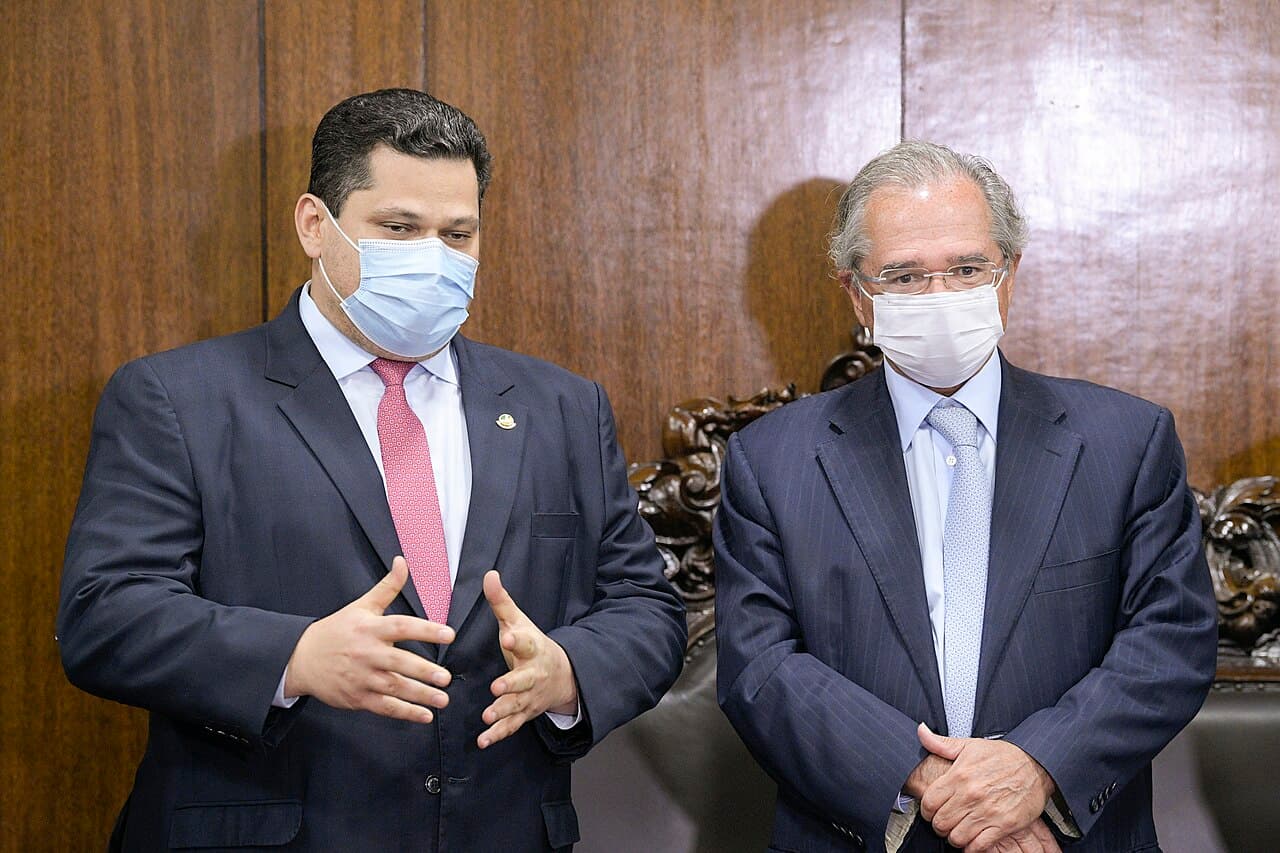
For American retail investors holding Brazil’s flagship exchange-traded fund, the iShares MSCI Brazil ETF (EWZ), a critical legislative hurdle has just been cleared in Brasilia. The Brazil Senate approved the base text of a major fiscal reform package, registered as PLP 299/2026, by a 45-to-31 vote on November 12, 2026, according to the official Senate Portal. Led by Senate President Davi Alcolumbre, the chamber advanced a supplementary bill designed to cool inflation and stabilize sovereign risk by restricting tax benefits and cutting government spending.
The newly approved fiscal package is projected to reduce Brazil’s primary deficit by R$ 50 billion to R$ 60 billion (approximately $10.4 billion) in 2027, according to calculations released by the Ministry of Planning and Budget on November 13, 2026. A core mechanism of the bill reduces the maximum real growth rate of primary government expenditures from the usual 2.5% cap down to 2.0% during years that require active fiscal containment, as of the approved bill text on November 12, 2026. Additionally, the legislation grants the executive branch expanded powers to block mandatory expenses whenever there is a direct risk of missing the central fiscal target, which is set at a primary surplus of 0.5% of Gross Domestic Product (GDP) for 2027.
To achieve these savings, the bill mandates a linear 10% reduction in corporate tax benefits, as detailed in the committee report by rapporteur Senator Eduardo Braga (MDB-AM) on November 13, 2026. During intense debates, some key sectors were exempted from these cuts—including information technology, semiconductors, and payroll tax breaks—following negotiations with business groups. While opposition leader Senator Rogério Marinho criticized the speed of the Brazil Senate vote on November 12, 2026, framing the adjustments as a disguised tax hike, the government maintains the cuts are essential to restore fiscal credibility without sacrificing core social programs.
The legislative process for the Brazil Senate 2026 fiscal agenda is not yet complete. The full senate has scheduled a vote on four remaining opposition amendments for Tuesday, November 17, 2026, before the package can be sent to the Chamber of Deputies. While Lower House Speaker Hugo Motta indicated on November 16, 2026, that his chamber would fast-track the legislation upon arrival, political analysts warn that the bill may face stiffer resistance from congressional allies who are hesitant to back spending cuts.
In your brokerage app
For retail investors holding US-listed assets, this fiscal consolidation effort directly influences the iShares MSCI Brazil ETF, a popular fund that tracks large Brazilian equities. Stabilization of the country's fiscal trajectory and inflation could ease pressure on the Brazilian real, which historically impacts the US-dollar-denominated returns of major New York-listed ADRs like financial giant Itaú Unibanco and state-backed oil company Petrobras.
Related coverage
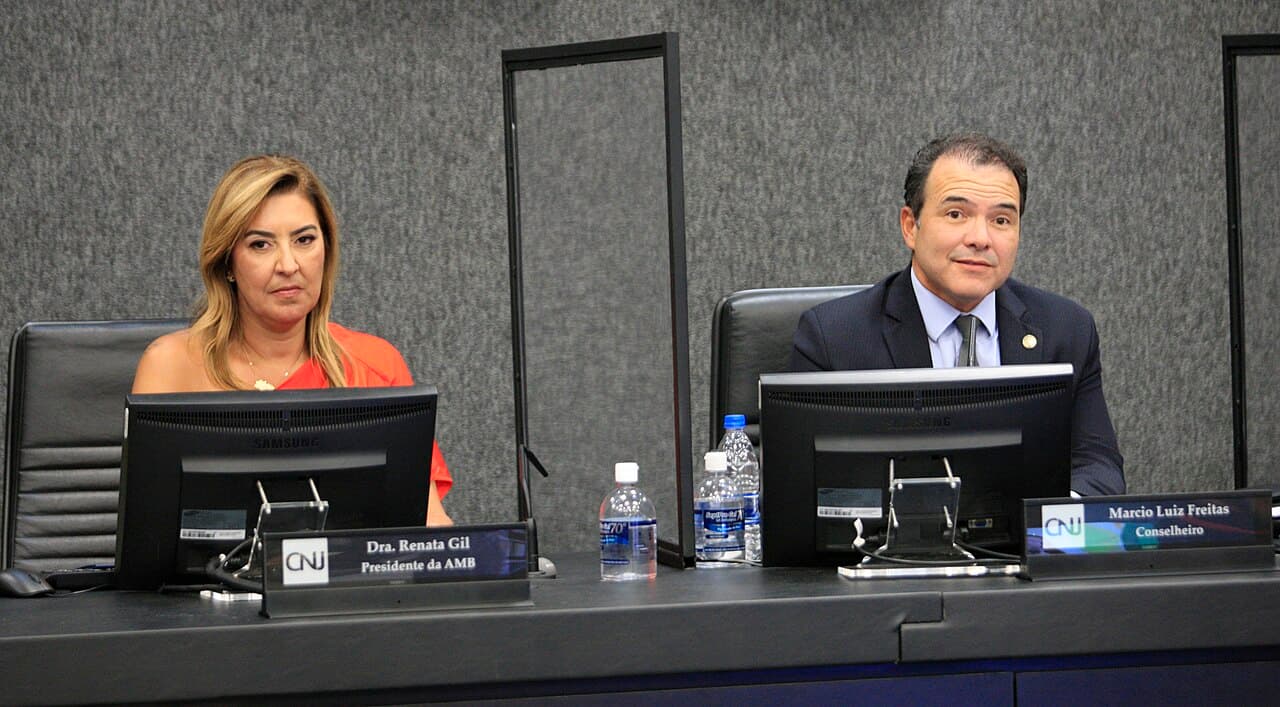 Court Audits Free Up R$ 4.7 Billion in Brazilian Treasury CashBrazilian court audits reject an OAB appeal, clearing the way to claw back R$ 4.7 billion in judicial debts and cushioning the sovereign balance sheet.
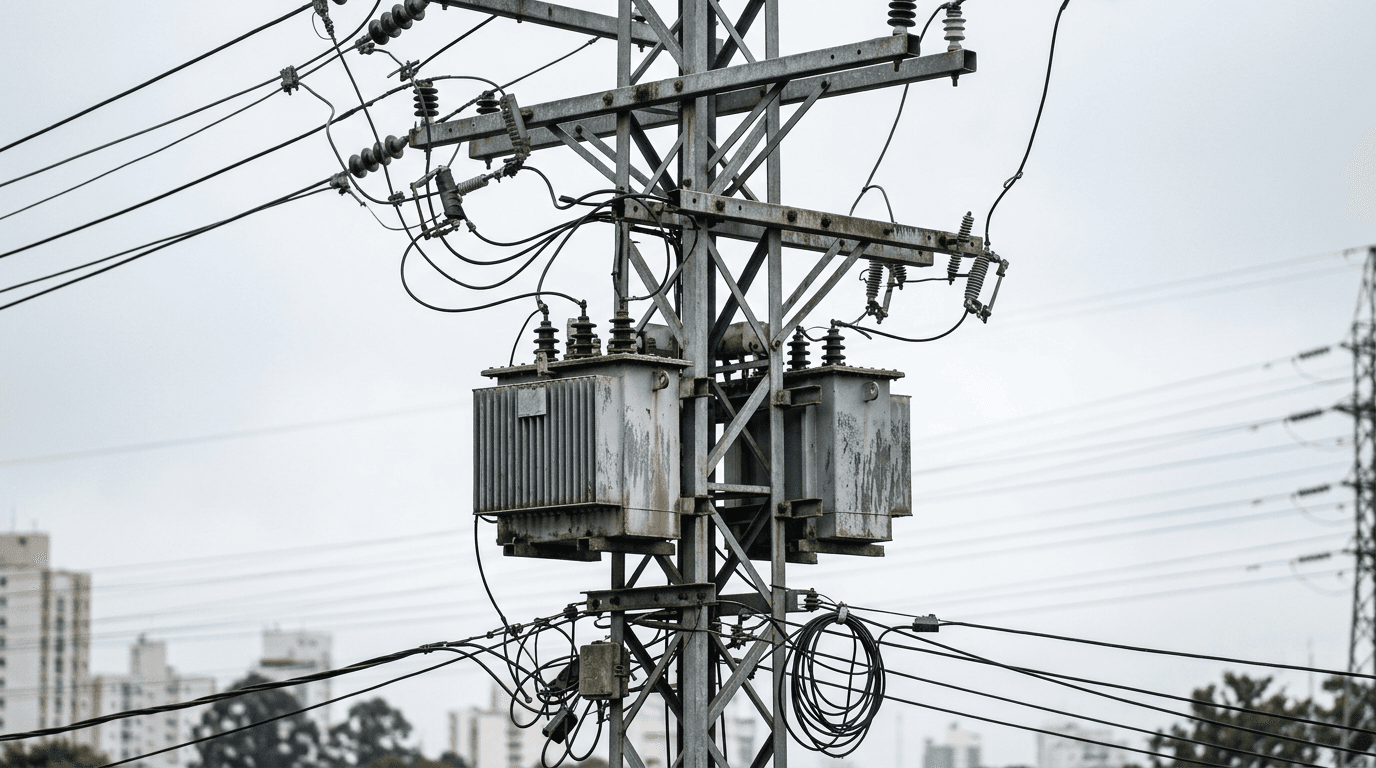 Enel ADR Faces São Paulo Concession Loss After Regulator VoteRegulators in Brazil have formed a majority to recommend terminating Enel SpA's major power distribution concession in São Paulo.
 Proposed 3% Brazilian Digital Tax Targets US Tech GiantsBrazilian Congressional Leader Randolfe Rodrigues submitted PLP 308/2026, proposing a 3% digital services tax on large tech platforms.