

Power Regulator Pauses Pole Rules Ahead of Senate Vote
Brazil's electricity regulator Aneel suspended its analysis of utility pole leasing rules on November 17, 2026, to await a critical Senate vote.
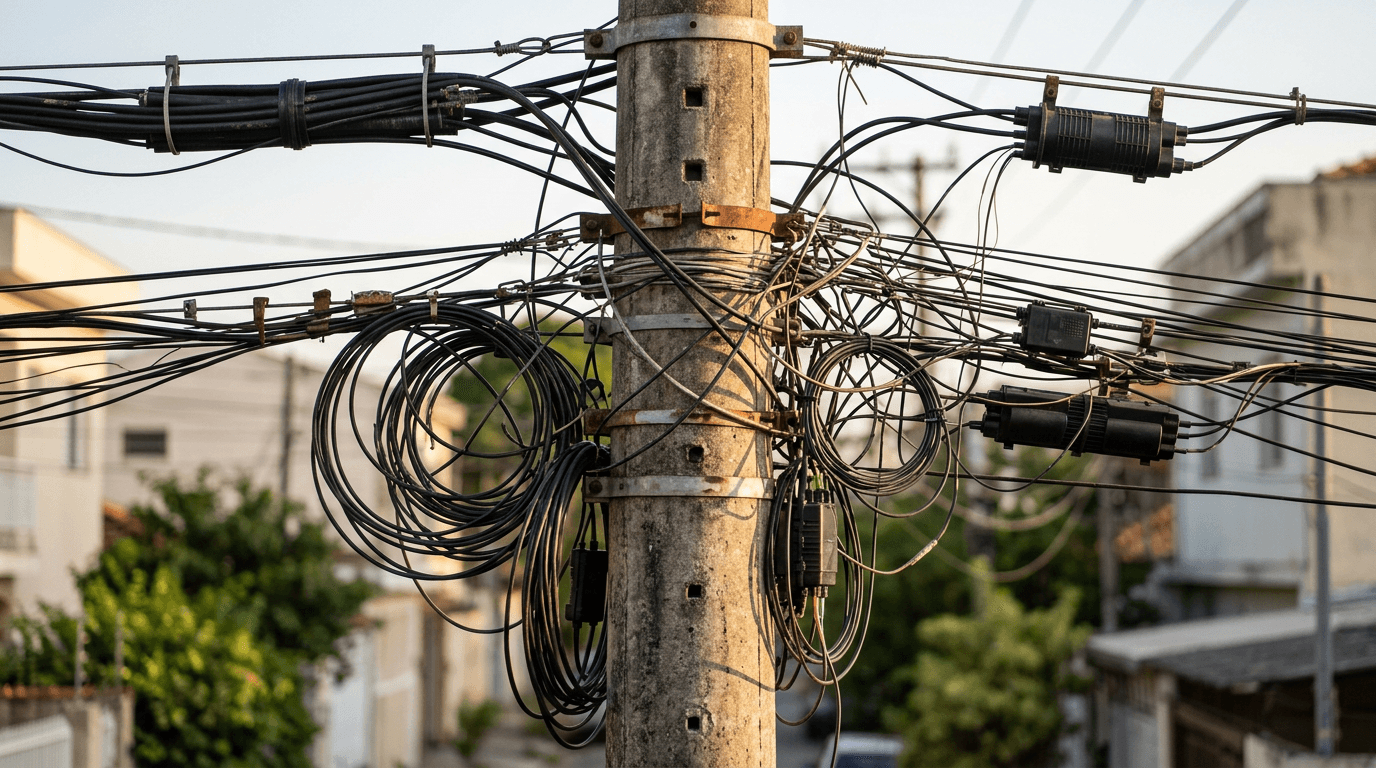
Key takeaways
- Aneel suspended its review of joint utility pole rules to await Congress, per a Poder360 report on November 17, 2026
- The Senate scheduled a vote on Bill PL 3.220/2019 to make pole leasing optional, per a Senate agenda on November 18, 2026
- Mandatory third-party pole leasing could cost up to 2.4 billion reais, per an Abradee report on August 10, 2026
American retail investors holding shares of Brazilian infrastructure companies or the iShares MSCI Brazil ETF are facing another bout of regulatory uncertainty, as a major shift in how the country's power grid earns secondary income has been put on hold. On November 17, 2026, the board of the Brazilian National Electric Energy Agency (Aneel) suspended its review of new rules governing how power distributors lease their utility poles to telecom firms, choosing to wait for a critical legislative vote.
The delay was triggered by Aneel Director Willamy Frota, who requested a formal review (known as a "vista") of the joint resolution with telecommunications regulator Anatel, according to a Poder360 report on November 17, 2026. Frota's pause freezes the regulatory process just one day before the Brazilian Senate is scheduled to vote on Wednesday, November 18, 2026, on Bill PL 3.220/2019, which could rewrite the rules of utility pole management.
The Legislative Battle
The pending Senate bill directly challenges current government mandates. Under the current federal decree, Decreto 12.068/2024, power distributors must lease their utility poles to independent third-party management entities, colloquially known as "posteiros". However, Bill PL 3.220/2019 would make this outsourcing optional. Under the legislative proposal, grid operators would only be forced to hand over pole management to an outside entity if Aneel identifies inadequate performance.
For utility operators, utility poles represent a valuable asset class. There are an estimated 53 million utility poles across Brazil, according to an October 6, 2026 report by Poder360. Power companies argue that creating mandatory third-party middlemen could add up to 2.4 billion reais ($415.2 million) in unnecessary system-wide costs, which would ultimately be passed down to consumers or eat into corporate margins, as highlighted in an August 10, 2026 statement by the Brazilian Association of Electricity Distributors (Abradee).
What happens next depends on the Senate's vote on Wednesday, November 18, 2026. If the bill passes, Aneel and Anatel will have to completely overhaul their joint resolution, which has been in limbo for several years. Specifically, the regulatory draft under review on November 17, 2026, had proposed a temporary price cap of 5.29 reais ($0.92) per pole attachment, as reported by Agência iNFRA on November 17, 2026, which would also be thrown into question by new legislative guidelines.
In your brokerage app
American investors exposed to Brazilian infrastructure through New York-listed companies like water utility Companhia de Saneamento Básico do Estado de São Paulo (NYSE: SBS) or the iShares MSCI Brazil ETF (NYSE Arca: EWZ) should track these developments closely. While Sabesp operates primarily in water and sanitation rather than power distribution, its stock often trades in tandem with broader regulatory and legislative sentiment affecting the regulated utilities and public concessions sector in Brazil.
Related coverage
 Court Audits Free Up R$ 4.7 Billion in Brazilian Treasury CashBrazilian court audits reject an OAB appeal, clearing the way to claw back R$ 4.7 billion in judicial debts and cushioning the sovereign balance sheet.
 Enel ADR Faces São Paulo Concession Loss After Regulator VoteRegulators in Brazil have formed a majority to recommend terminating Enel SpA's major power distribution concession in São Paulo.
 Proposed 3% Brazilian Digital Tax Targets US Tech GiantsBrazilian Congressional Leader Randolfe Rodrigues submitted PLP 308/2026, proposing a 3% digital services tax on large tech platforms.