

Manila Pauses Brazil Pork Imports, But 60-Day Ban Unlikely to Extend
US investors in BRF face a temporary export bottleneck as the Philippines halts pork imports for 60 days, though diplomats expect no extension.
Key takeaways
- The Philippines Department of Agriculture issued Order No. 33 on Nov. 9, 2026, imposing a 60-day temporary suspension of pork imports from countries including Brazil starting Nov. 24.
- Brazil exported $600 million (283,500 tons) of pork to the Philippines from Jan. to Sept. 2026, representing about 26% of Brazil's pork exports, per ABPA.
- Industry negotiators and diplomatic sources expect the temporary safeguard will not be extended past its initial 60 days, according to a CNN Brasil report on Nov. 16, 2026.
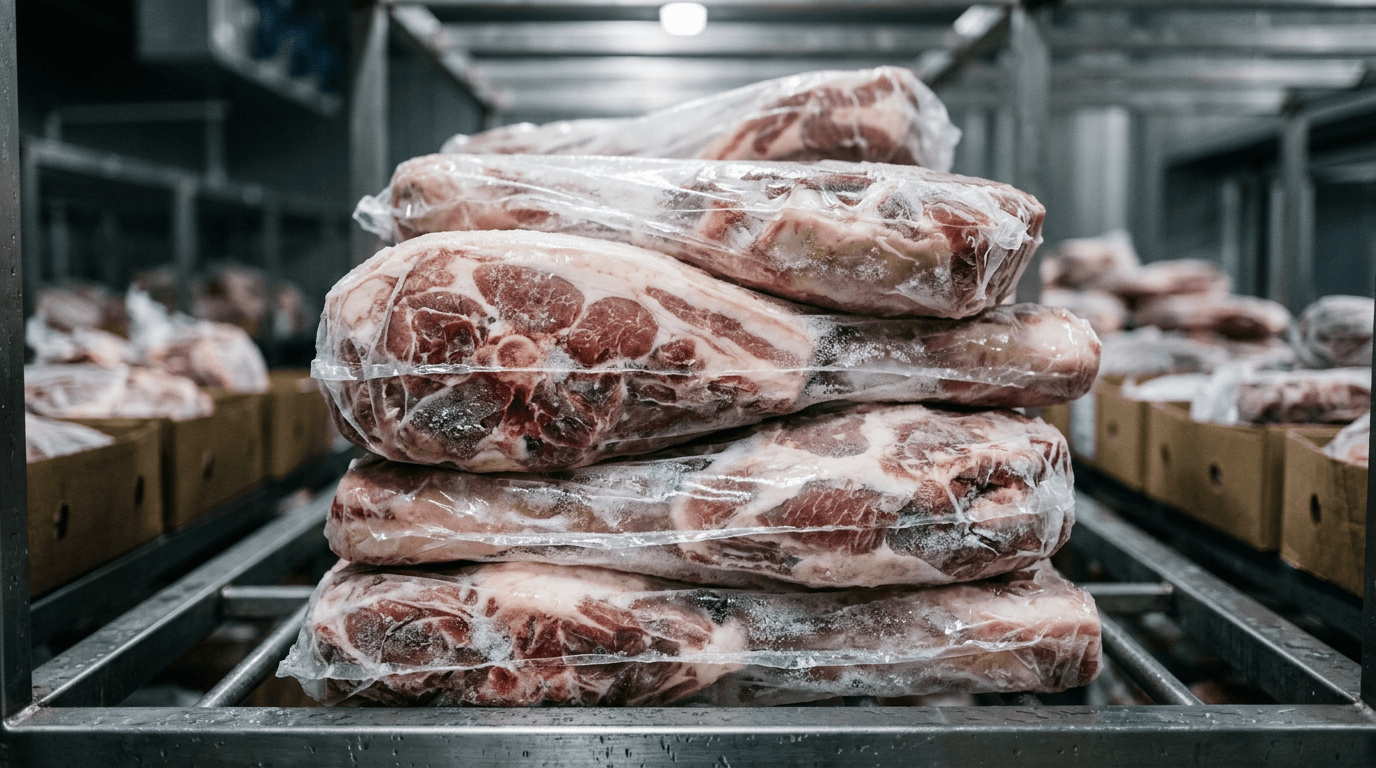
US retail investors holding shares of Brazilian food giants like New York-listed BRF S.A. face a temporary bottleneck in global meat markets after the Philippines—now Brazil's top pork buyer—announced a 60-day provisional import freeze on several pork cuts. The restriction, established under Department of Agriculture Order No. 33 signed on November 9, 2026, is set to take effect on November 24, 2026, to protect Philippine hog raisers from what local authorities described as a surge in cheap foreign supply.
According to the Brazilian Association of Animal Protein (ABPA), the Southeast Asian nation represents approximately 26% of Brazil's total pork exports, with shipments exceeding $600 million (283,500 tons) between January and September 2026. The trade barrier is designed as a temporary safeguard under the Philippines' Safeguard Measures Act to help local farms recover from depressed domestic prices rather than in response to any disease outbreaks. It covers fresh, chilled, and frozen pork cuts including carcasses, hams, shoulders, and offal.
While the sudden export halt raises concerns of a short-term supply backlog inside Brazil, diplomatic sources and industry negotiators do not expect the suspension to be prolonged past its initial two months. On November 16, 2026, Brazilian Agriculture Minister André de Paula met with Philippine Agriculture Secretary Francisco Tiu Laurel in Manila to present technical arguments and defend commercial predictability, according to CNN Brasil. Negotiators from both countries are confident that these high-level discussions will prevent an extension of the ban beyond January 2027, limiting the long-term financial damage to major global meatpackers.
The trade halt could temporarily alter competitive dynamics in Manila, where US pork exporters have been seeking to expand their foothold. In 2025, US pork exports to the Philippines reached over $133 million. While US suppliers might enjoy a brief window of reduced competition, the expected 60-day limit on Brazil’s suspension means any market-share shifts will likely remain fleeting.
In your brokerage app
American retail investors holding BRF S.A. through its New York-listed American Depositary Receipts (ADRs) or through diversified emerging-market exchange-traded funds (ETFs) may see mild short-term volatility in agricultural holdings. Because the provisional 60-day restriction does not stem from sanitary or safety concerns, Brazil's underlying export quality remains intact, and the long-term trade relationship is expected to resume unimpeded in early 2027.
Related coverage
 Court Audits Free Up R$ 4.7 Billion in Brazilian Treasury CashBrazilian court audits reject an OAB appeal, clearing the way to claw back R$ 4.7 billion in judicial debts and cushioning the sovereign balance sheet.
 Enel ADR Faces São Paulo Concession Loss After Regulator VoteRegulators in Brazil have formed a majority to recommend terminating Enel SpA's major power distribution concession in São Paulo.
 Proposed 3% Brazilian Digital Tax Targets US Tech GiantsBrazilian Congressional Leader Randolfe Rodrigues submitted PLP 308/2026, proposing a 3% digital services tax on large tech platforms.