
Lula Campaign Recalculates Strategy After Rural Losses to Bolsonaro
President Lula's campaign pivots to Brazil's populous Southeast and targets high voter abstention after major losses in the wealthy agribusiness heartland.
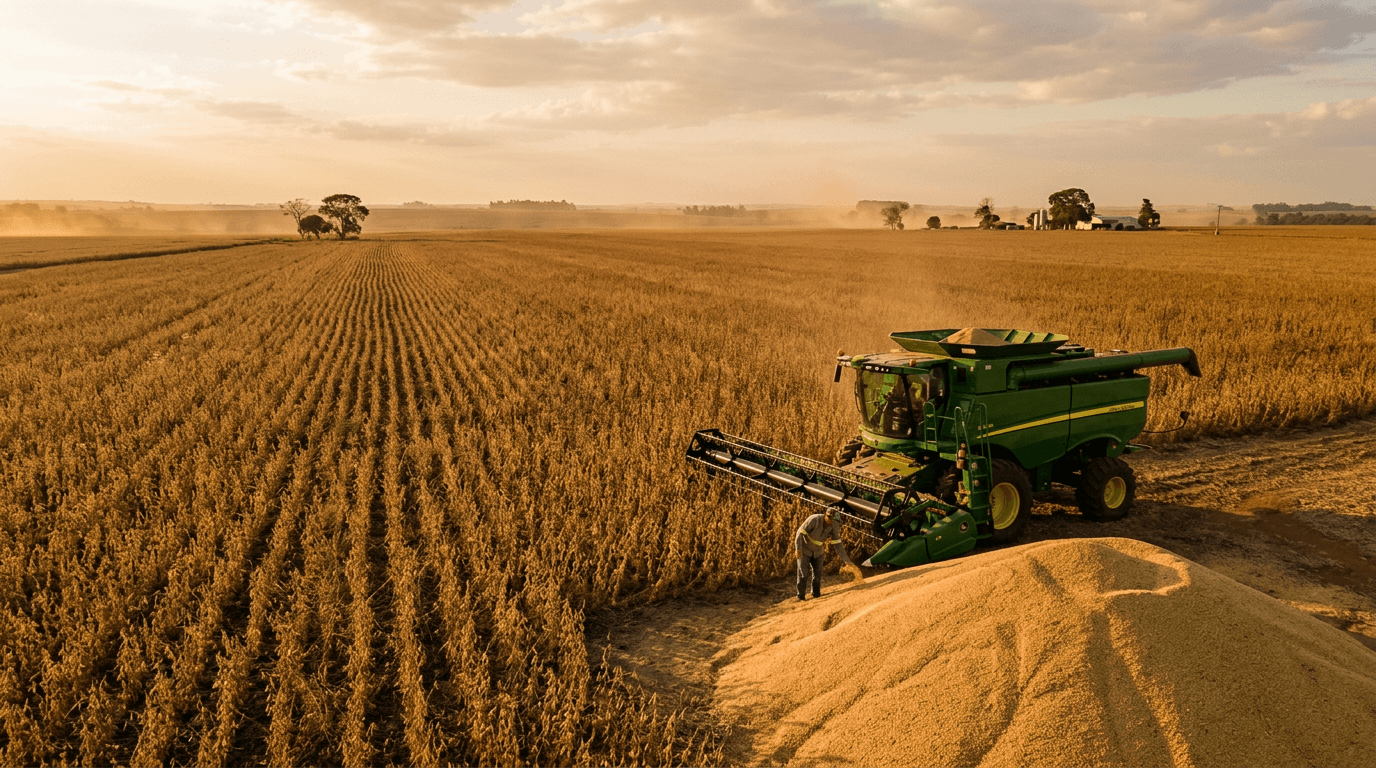
Following a setback in the first round of Brazil's presidential election, the campaign of incumbent President Luiz Inácio Lula da Silva is rapidly reorganizing its strategy. The left-wing leader is shifting focus to the populous Southeast and targeting high voter abstention rates after a wave of conservative support in the country's agricultural heartland narrowed his path to reelection. In the October 4, 2026 vote, right-wing Senator Flávio Bolsonaro of the Liberal Party (PL) secured 47.03% of the vote against Lula's 45.16%, sending the race to a highly polarized October 25 runoff.
The electoral map highlights deep-seated friction between the government's environmental policies and Brazil's powerful agribusiness sector, which drives a massive portion of the nation's gross domestic product. According to a municipal-level data analysis by Infobae, Flávio Bolsonaro outperformed Lula in 83 of Brazil's 100 wealthiest agricultural municipalities. In key grain and cotton hubs like Sapezal in Mato Grosso, the younger Bolsonaro—son of former President Jair Bolsonaro—captured 71.51% of the valid votes compared to Lula's 24.02%.
To counter this rural wall of opposition, Lula’s campaign is focusing on the urban centers of the Southeast, particularly São Paulo, Rio de Janeiro, and Minas Gerais, which represent the country's largest voting blocs. Campaign strategists are also prioritizing efforts to mobilize moderate voters and combat high voter apathy. Nationwide voter abstention reached 21.08% in the first round, representing millions of citizens who stayed home and could decide the final outcome.
The political math has grown increasingly difficult for the Workers' Party (PT). Prominent agribusiness leaders and newly elected conservative governors are rapidly coalescing behind Flávio Bolsonaro. High-profile figures like Romeu Zema of Minas Gerais and Ronaldo Caiado of Goiás have already signaled or formalized their support for the conservative challenger, consolidating the right-wing coalition ahead of the runoff.
What it touches
The political divide has direct implications for Brazil's agricultural sector, which remains the primary engine of the country's export economy. Continued friction between the executive branch and agribusiness leaders could complicate future agricultural credit programs, land-use regulations, and environmental enforcement policies. Companies exposed to Brazilian soy, corn, and beef logistics are closely monitoring the runoff, as a change in administration could significantly alter environmental licensing frameworks and infrastructure concessions.