
Lula Campaign Fractures Over First Lady Janja's Runoff Strategy
Internal dissent in Lula's coalition erupts as allies demand less influence from First Lady Janja and more focus on moderates to close the gap with Flávio Bolsonaro.
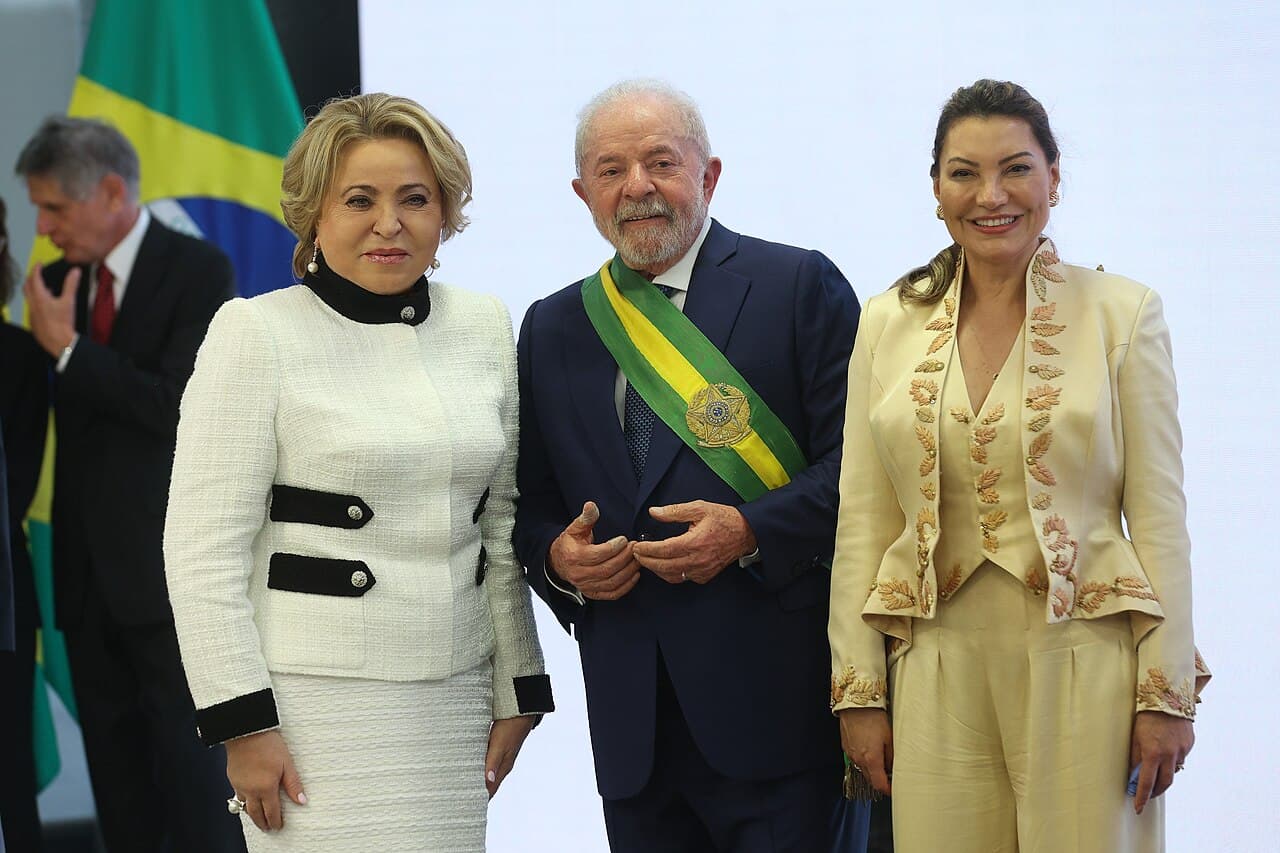
A bitter internal dispute has erupted within Brazilian President Luiz Inácio Lula da Silva’s re-election campaign, exposing strategic panic just weeks before the decisive October 25 presidential runoff. Prominent centrist allies have openly rebelled against the outsized political influence of First Lady Rosângela "Janja" da Silva, demanding a pivot toward moderate voters to rescue a struggling campaign.
The rift burst into the open following a tense, closed-door meeting of the Workers' Party (PT) leadership in Brasília on October 6, 2026. Kátia Abreu, a highly influential former senator, agriculture minister, and current coordinator for Lula's campaign in Tocantins, led the charge. Abreu, representing the pragmatic center-right wing of Lula's broad coalition, argued that the campaign's current messaging is failing to reach middle-of-the-road voters. In a phrase that quickly reverberated through Brazilian political circles, Abreu demanded "less Janja and more Alckmin," referring to Vice President Geraldo Alckmin, a respected center-right figure who is seen as key to winning over moderate and business-minded electorates.
The pushback from the first lady’s camp was immediate and unyielding. On October 7, 2026, Janja's press team issued a defiant public statement confirming she has no intention of scaling back her prominent role. The statement asserted that, "regardless of what people say, Janja will continue in the campaign," adding that her active participation is "legitimate and always backed by President Lula". Janja has been a highly visible, polarizing figure on the trail, frequently taking to social media to launch sharp personal attacks against their opponent.
The internal finger-pointing highlights the deep anxiety gripping the Brazilian left after a disappointing first-round performance on October 4. Lula, who is seeking a historic fourth presidential term, entered the election as the incumbent but finished second with 45.1% of the vote. He trails conservative Senator Flávio Bolsonaro—the 45-year-old son of former President Jair Bolsonaro—who secured a stronger-than-expected 47%. Under Brazil's electoral rules, because no candidate won an absolute majority, the two must face off in a second-round runoff. Historically, the candidate who wins the first round in Brazil has never gone on to lose the runoff, leaving Lula facing an unprecedented uphill climb.
To win, Lula's campaign must win over the remaining 8% of the electorate who voted for third-party candidates in the first round. While the Bolsonaro camp is actively consolidating support among conservative and agricultural sectors, Lula’s allies are deeply divided on how to appeal to these crucial swing voters. Centrists like Abreu warn that Janja's highly ideological rhetoric alienates the moderate middle, whereas the PT's leftist core believes a highly mobilized progressive base is the only way to counter the right's dominant social media machine.