

New Labor Decree Triggers Cost Spikes for Listed Retailers
President Lula's newly signed Decree 13,373/2026 mandates a transition to a 5x2 workweek, driving up operating costs for major Brazilian consumer stocks.

Key takeaways
- President Lula signed Decree 13,373/2026 regulating a transition to a 5x2 workweek, per gov.br on November 19, 2026
- Weekly working hours drop from 44 to 42 in December 2026 and to 40 in December 2027 with no salary cut, per gov.br on November 19, 2026
- A 10% cost increase could erode 114% of first-half earnings for Azzas 2154 and 53% for Pague Menos, per an Economatica simulation published on October 22, 2026
Global investors holding broad emerging market exchange-traded funds such as the iShares MSCI Brazil ETF (EWZ) face immediate profit margin compression across their consumer portfolios following a sweeping change in Brazilian labor law. Under a newly signed government mandate, major listed retailers and service providers in South America’s largest economy must transition away from the traditional six-day workweek, driving up labor costs without any reduction in worker pay.
On November 19, 2026, President Luiz Inácio Lula da Silva signed Decree 13,373/2026, which formally regulates a nationwide transition from the 6x1 workweek to a 5x2 schedule, with the new rules taking effect on December 16, 2026, according to the official government portal gov.br. Under this executive decree, maximum weekly working hours will drop from 44 to 42 in December 2026, before falling further to 40 hours in December 2027. Crucially, the mandate prohibits any nominal salary reduction, effectively forcing companies to pay more per hour worked and requiring them to either hire additional staff or pay overtime to maintain existing operational hours.
The financial impact of this transition will hit labor-intensive companies particularly hard. An analysis by market research firm Economatica, published by financial portal InfoMoney on October 22, 2026, simulated a scenario where a 10% increase in labor costs resulting from the mandate could erode up to 114% of first-half 2026 earnings for footwear giant Azzas 2154 (AZZA3). The same simulation showed that drugstore chain Pague Menos (PGMN3) could see 53% of its first-half earnings wiped out, highlighting the immediate threat of margin compression for labor-intensive equities traded on the B3 exchange.
Major Brazilian retail giants are already moving to counter the expected cost shock. Retailers like apparel leader Lojas Renner (LREN3) and cash-and-carry wholesale supermarket Assaí (ASAI3) are actively pricing in operational adjustments, such as modifying shift patterns and accelerating store automation, to mitigate the upcoming margin erosion. However, analysts note that smaller players or those unable to pass higher labor costs to inflation-weary consumers will struggle to absorb the shift as the first reduction deadline of December 16 approaches.
In the coming weeks, investors should watch for the Ministry of Labor and Employment's supplementary regulations, scheduled to begin rolling out on November 23, 2026. These sector-specific rules and upcoming collective bargaining negotiations between labor unions and retail associations will determine if certain industries can secure transitional relief or alternative scheduling arrangements to avoid severe operational disruptions.
In your brokerage app
US-based investors holding the iShares MSCI Brazil ETF (EWZ) or individual Brazilian ADRs will want to monitor the third-quarter earnings reports of consumer discretionary stocks. While capital-intensive energy and utility giants remain insulated from the labor decree, consumer-facing companies like wholesale grocer Sendas Distribuidora (known in the market as Assaí, trading in Brazil as ASAI3 and in the US as an over-the-counter ADR) are directly exposed to these mandatory transition costs.
Related coverage
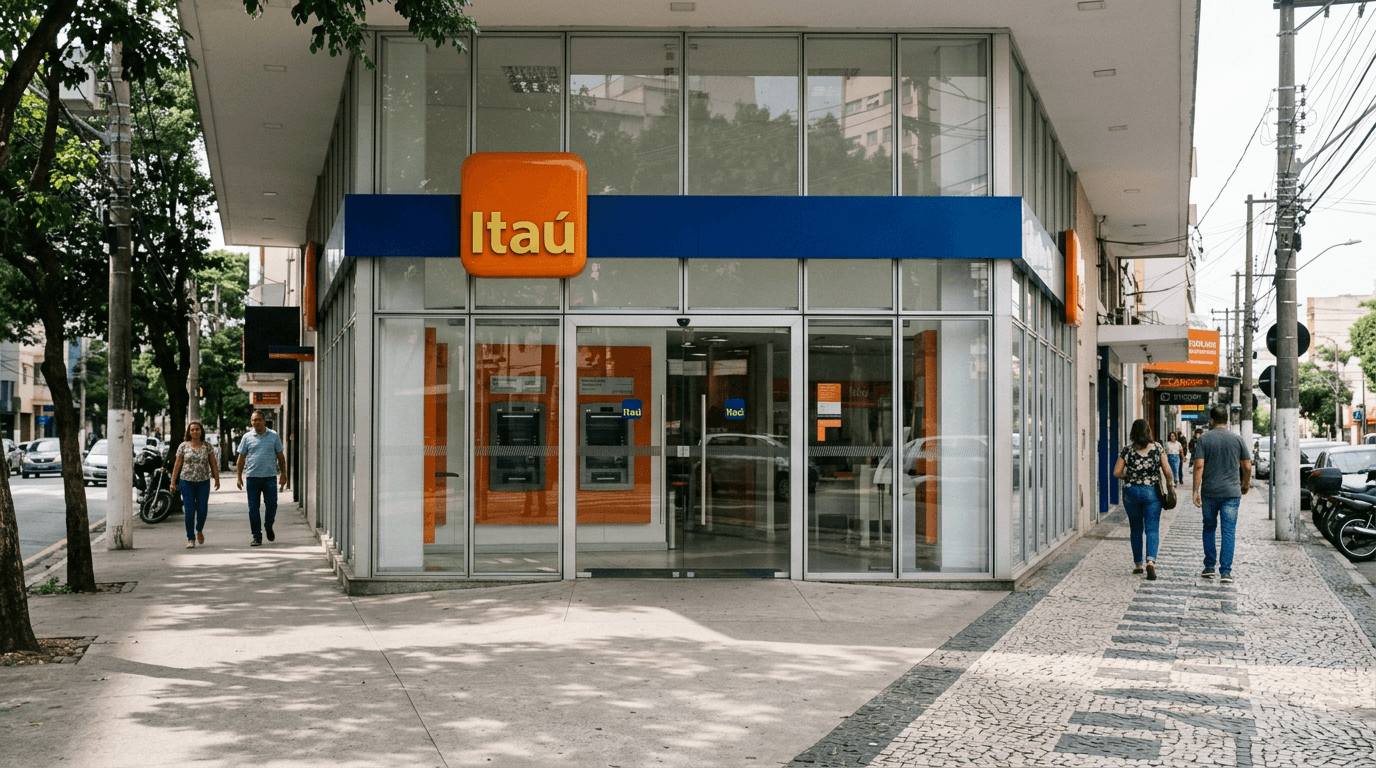 New Brazilian Workweek Rules to Raise Labor Costs for Ambev and ItaúBrazil's new 5x2 workweek decree will raise effective hourly labor costs by up to 10%, compressing margins for heavy employers like Ambev and Itaú.
 Lula's Philippines Visit Opens $38B ASEAN Agribusiness CorridorBrazilian President Lula da Silva's historic Manila visit secures key agricultural agreements, strengthening a USD 38.4 billion ASEAN trade channel.
 Lula Clashes with Financial Sector, Calling Senate Bill a Mere Budget FixBrazilian President Lula dismissed market demands for deeper spending cuts, calling the newly passed Senate bill a temporary budget adjustment for 2027.