

New Brazilian Workweek Rules to Raise Labor Costs for Ambev and Itaú
Brazil's new 5x2 workweek decree will raise effective hourly labor costs by up to 10%, compressing margins for heavy employers like Ambev and Itaú.
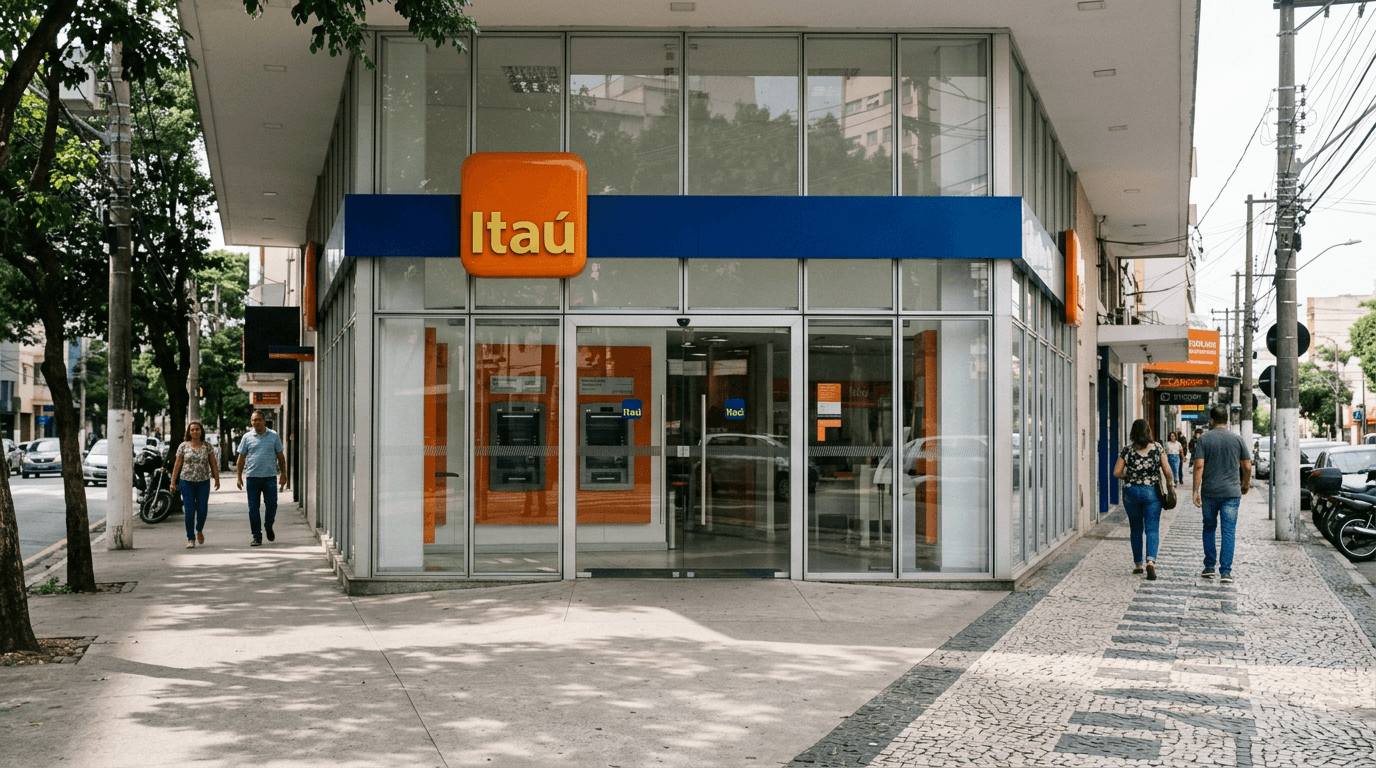
Key takeaways
- President Lula signed Decreto 13.173/2026 to transition Brazil to a 5x2 workweek, per gov.br on November 19, 2026
- Weekly labor limits will fall from 44 to 42 hours on December 16, 2026, and to 40 hours on December 16, 2027, per planalto.gov.br on November 19, 2026
- Decreasing the monthly divisor to 200 by late 2027 will raise hourly wage rates by up to 10%, per gov.br on November 19, 2026
- The transition directly impacts 36.5 million formal employees, per the Ministry of Labor on November 19, 2026
On November 19, 2026, President Luiz Inácio Lula da Silva signed Decreto 13.173/2026, which will reduce the legal weekly work limit from 44 to 42 hours starting December 16, 2026, forcing a shift to a five-day (5x2) workweek with no nominal pay cuts. This regulatory transition, which formalizes Emenda Constitucional 141/2026, will directly impact an estimated 36.5 million formal workers according to figures released by Brazil's Ministry of Labor on November 19, 2026. The mandate is poised to compress operating margins for heavy hourly and shift-based employers, including beverage giant Ambev in Brazil and financial powerhouse Itaú Unibanco.
Under the newly enacted decree, the transition will occur in two stages to give companies time to adapt. After the initial reduction to 42 hours next month, a second reduction will bring the weekly work limit down to 40 hours starting December 16, 2027. Crucially, the decree adjusts the legal monthly divisor used to calculate overtime and hourly pay from the historical 220 down to 210 in the first phase, and finally to 200 in late 2027. Because monthly salaries cannot be reduced under the law, this mathematical adjustment effectively increases hourly wage rates by up to 10% overall, driving up the cost of overtime premiums and nighttime shift differentials.
This structural change hits sectors with high-volume hourly and continuous operations particularly hard. Companies like Ambev, the Brazilian subsidiary of Anheuser-Busch InBev, operate massive round-the-clock brewing and bottling facilities that rely on complex, rotating shift schedules. Similarly, Itaú Unibanco, Brazil's largest private bank, manages thousands of retail branches and customer service centers requiring constant staffing. To maintain continuous service under a 5x2 regime with two mandatory rest days, these institutions will either have to hire additional workers or absorb significant overtime costs, adding directly to their operating expenditures and pinching margins.
Business confederations are already warning of operational friction. The National Transport Confederation (CNT) raised concerns at a Supreme Federal Court hearing on November 10, 2026, warning that a rapid transition could trigger supply chain issues and service disruptions. While the Supreme Court is currently reviewing challenges regarding the implementation timeline, the underlying constitutional change remains in place. For businesses, the focus has shifted to imminent collective bargaining negotiations, as the decree allows unions and employers to negotiate specialized schedules, provided they respect the absolute limit of two weekly rest days.
The immediate date to watch is December 16, 2026, when the first phase of the 42-hour limit officially becomes law. Companies must finalize their updated rosters and collective agreements by this deadline or face steep regulatory penalties for non-compliance. Supplementary sector-specific guidelines are expected from the Ministry of Labor in late November 2026, which will further detail the rules for continuous shift work and special employment regimes.
In your brokerage app
American retail investors holding shares of Ambev (NYSE: ABEV) or Itaú Unibanco (NYSE: ITUB) should monitor how these corporations address rising labor costs in their upcoming quarterly earnings. Since the wage inflation mechanism takes effect in December, the initial impact on operating margins will begin to show in early 2027 financial statements, particularly for sectors exposed to continuous-shift labor or dense retail footprints.
Related coverage
 New Labor Decree Triggers Cost Spikes for Listed RetailersPresident Lula's newly signed Decree 13,373/2026 mandates a transition to a 5x2 workweek, driving up operating costs for major Brazilian consumer stocks.
 Lula's Philippines Visit Opens $38B ASEAN Agribusiness CorridorBrazilian President Lula da Silva's historic Manila visit secures key agricultural agreements, strengthening a USD 38.4 billion ASEAN trade channel.
 Lula Clashes with Financial Sector, Calling Senate Bill a Mere Budget FixBrazilian President Lula dismissed market demands for deeper spending cuts, calling the newly passed Senate bill a temporary budget adjustment for 2027.