
Lula and Alcolumbre Fast-Track '6x1' Workweek Ban to Corner Opposition
President Lula strikes a deal with Senate President Davi Alcolumbre to debate the popular 6x1 workweek ban, forcing rival Flávio Bolsonaro into a policy corner.
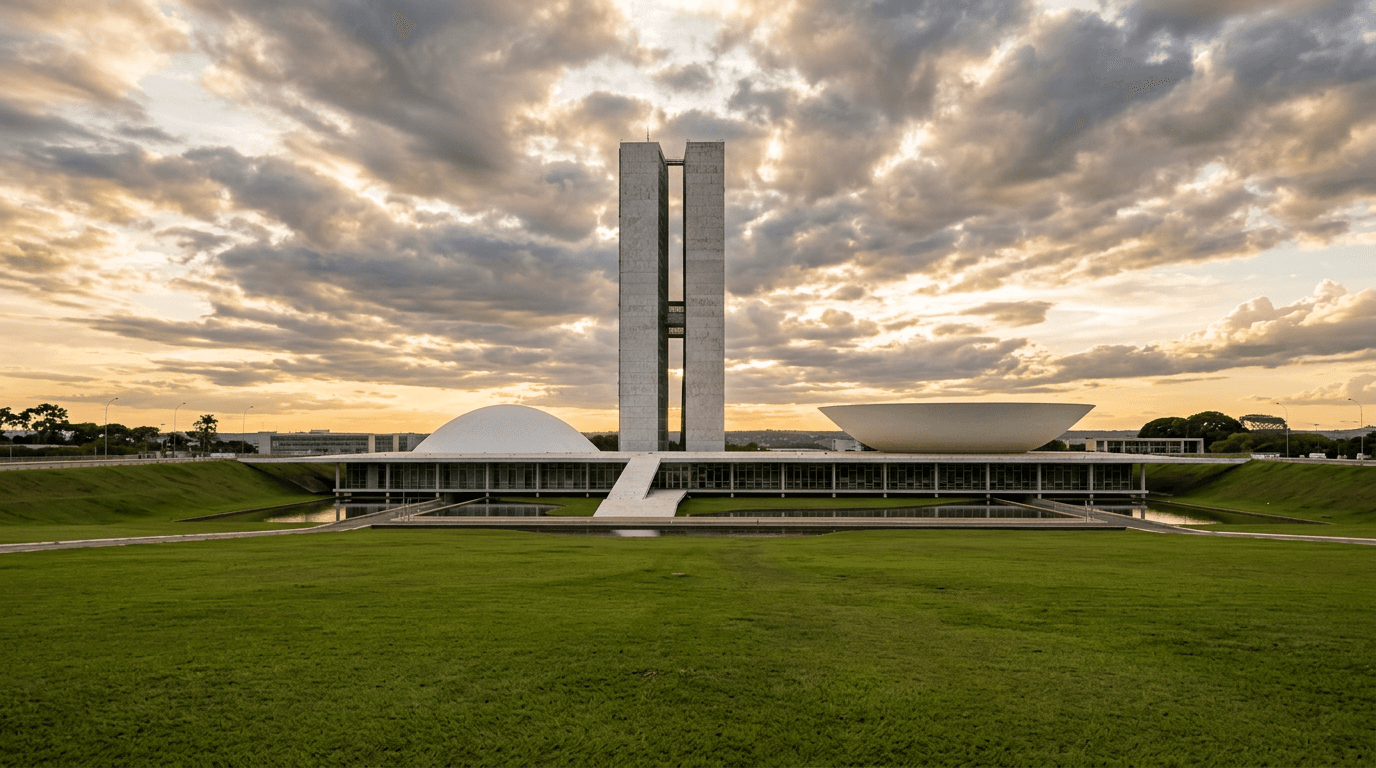
In a major political maneuver on the eve of Brazil's national elections, President Luiz Inácio Lula da Silva and Senate President Davi Alcolumbre have agreed to fast-track a constitutional amendment (PEC) that would ban the country's standard six-day workweek. Alcolumbre scheduled the proposal to enter the Senate's plenary agenda starting Tuesday, October 6, 2026. The sudden legislative push serves as a powerful electoral weapon for Lula as he seeks to corner his conservative rival, Senator Flávio Bolsonaro, ahead of an expected second-round presidential runoff.
The proposed constitutional amendment, which has immense popular appeal among working-class Brazilians, aims to eliminate the traditional "6x1" shift—where employees work six consecutive days and receive only one day off. The reform would guarantee workers two consecutive rest days without any reduction in salary, effectively lowering the maximum weekly working hours from 44 to 40. The transition would occur in phases, initially dropping to 42 hours per week shortly after promulgation before reaching the 40-hour limit.
For Lula, the legislative acceleration is a calculated "silver bullet" designed to secure a commanding narrative going into the second-round campaign. By forcing a vote on a highly popular labor benefit, Lula’s campaign is actively challenging the business-aligned opposition to either support the government's agenda or risk alienating working-class voters. During his final campaign rally in São Paulo on October 3, 2026, Lula explicitly framed the upcoming Senate debate as a march for workers' dignity, declaring that "workers cannot live just to work".
The rapid scheduling has left the campaign of Flávio Bolsonaro scrambling to formulate a cohesive counter-strategy. Historically aligned with business federations that warn of severe cost increases and inflationary pressures from a sudden drop in working hours, the conservative coalition faces a deep dilemma. Opposing the bill outright on economic grounds risks devastating their standing with blue-collar voters, while supporting it would alienate key corporate donors and contradict their free-market platform.
The political alliance behind this fast-track deal also highlights a significant shift in legislative dynamics. Alcolumbre, an influential centrist who commands the Senate's agenda, had previously delayed the bill to maintain leverage. However, a recent political reconciliation between the executive branch and Senate leadership paved the way for this strategic scheduling. While the standard Senate rite requires five sessions of debate before a final vote, government leaders are already negotiating to bypass these intervals to pass the bill before the final October 25 runoff.
What it touches
The sudden momentum behind the workweek reform directly impacts the broader Brazilian economy, making it a key focal point for international investors monitoring the iShares MSCI Brazil ETF (EWZ). Retail, hospitality, and industrial sectors are highly exposed to the proposed changes, as business groups warn of increased labor costs and potential operational disruptions. Continued progress on the bill is expected to trigger volatility in Brazilian equities as market participants assess the long-term impact of the labor reform on corporate margins and national productivity.