

High 11.3% Federal Tax Rate Defended in Senate Threatens EWZ Margins
Brazil's Finance Ministry defended an 11.3% consumption tax rate in the Senate, sparking fears of a 30% total tax burden that could squeeze EWZ margins.

Key takeaways
- Finance Ministry Executive Secretary Dario Durigan defended an 11.3% federal consumption tax reference rate in a Senate hearing, per Agência Brasil on November 17, 2026
- The 11.3% rate is over two percentage points higher than the government's previous 9.21% estimate, per InfoMoney on November 17, 2026
- Senator Izalci Lucas warned the total combined tax burden could climb near 30%, exceeding the legal 26.5% limit, per Agência Brasil on November 17, 2026
American retail investors holding the brazil ewz etf face a potential threat to their stock portfolio’s profit margins after a crucial tax decision on Tuesday, November 17, 2026, cleared a major legislative hurdle. The iShares MSCI Brazil ETF (EWZ), which tracks major corporate stocks, is highly sensitive to a proposed federal consumption tax rate that could push business costs significantly higher than initial estimates.
The policy fight took center stage in Brasília, where Finance Ministry Executive Secretary Dario Durigan defended a recommended 11.3% reference rate for the new federal Contribuição sobre Bens e Serviços (CBS) during a Senate Economic Affairs Committee (CAE) hearing on Tuesday, November 17, 2026. The 11.3% reference rate, recommended by the Federal Court of Accounts (TCU) in an acórdão delivered to the Senate, is more than two percentage points higher than the government's previous estimate of 9.21%, as reported by InfoMoney on Tuesday, November 17, 2026. The CBS is designed to replace the existing federal PIS and Cofins taxes on business revenues starting in 2027.
This upward revision has sparked intense pushback from the National Confederation of Industry (CNI) and domestic business groups. Senator Izalci Lucas (PL-DF) warned that when the 11.3% federal rate is combined with the municipal and state-level Imposto sobre Bens e Serviços (IBS), the total combined consumption tax could climb near 30%, which would exceed the 26.5% limit established by Complementary Law 214 of 2025, per Agência Brasil on Tuesday, November 17, 2026. Business leaders warn that forcing corporations to absorb these costs could severely squeeze profitability, directly impacting those who invest in Brazil.
The Senate's Economic Affairs Committee has until December 15, 2026, to approve the resolution setting the final reference rate. Senator Eduardo Braga (MDB-AM), the resolution's relator, expressed deep concern, noting that lawmakers were caught by surprise by the 11.3% figure. If the Senate fails to pass a custom resolution by the December deadline, the TCU's recommended 11.3% rate will take effect provisionally, according to a report by Agência Brasil.
While the government has flatly rejected calls from industrial groups and the Brazilian Bar Association (OAB) to postpone the 2027 transition, officials are attempting to ease the friction. Robinson Barreirinhas, head of the Federal Revenue service, announced on Tuesday, November 17, 2026, that a project will be sent to Congress allowing a one-month grace period for companies, per Agência Brasil. Barreirinhas defended the timeline on Tuesday, November 17, 2026, stating that delaying is not a solution and would only defer the transition's structural problems.
In your brokerage app
For retail investors holding the brazil ewz stock or watching ewz brazil news, this legislative fight has direct implications. The iShares MSCI Brazil ETF holds major domestic giants like Vale and Petrobras, which are major components of the country's main equity index, the Ibovespa. If these companies must absorb a total tax rate nearing 30%, their net profit margins could deteriorate. This tax dispute also influences broader market sentiment, potentially shifting the value of the Brazilian real (USDBRL), which traded at 5.7752 per US dollar on Tuesday, November 17, 2026.
Related coverage
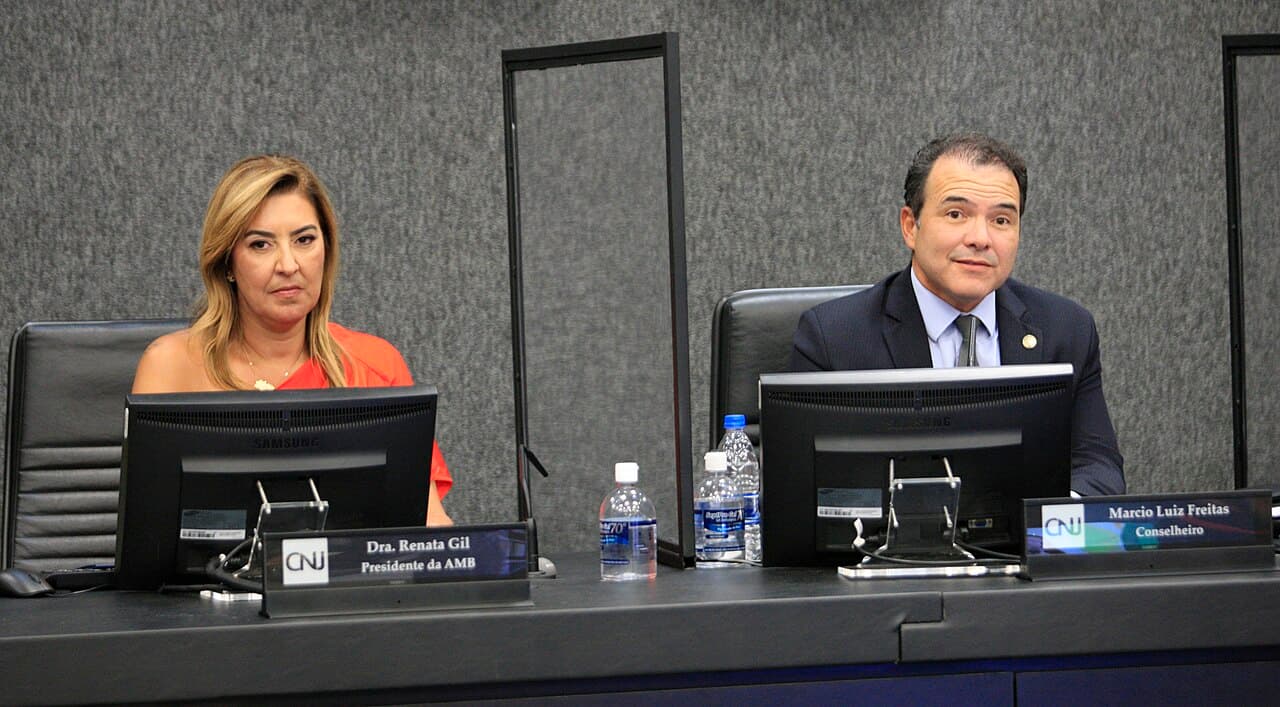 Court Audits Free Up R$ 4.7 Billion in Brazilian Treasury CashBrazilian court audits reject an OAB appeal, clearing the way to claw back R$ 4.7 billion in judicial debts and cushioning the sovereign balance sheet.
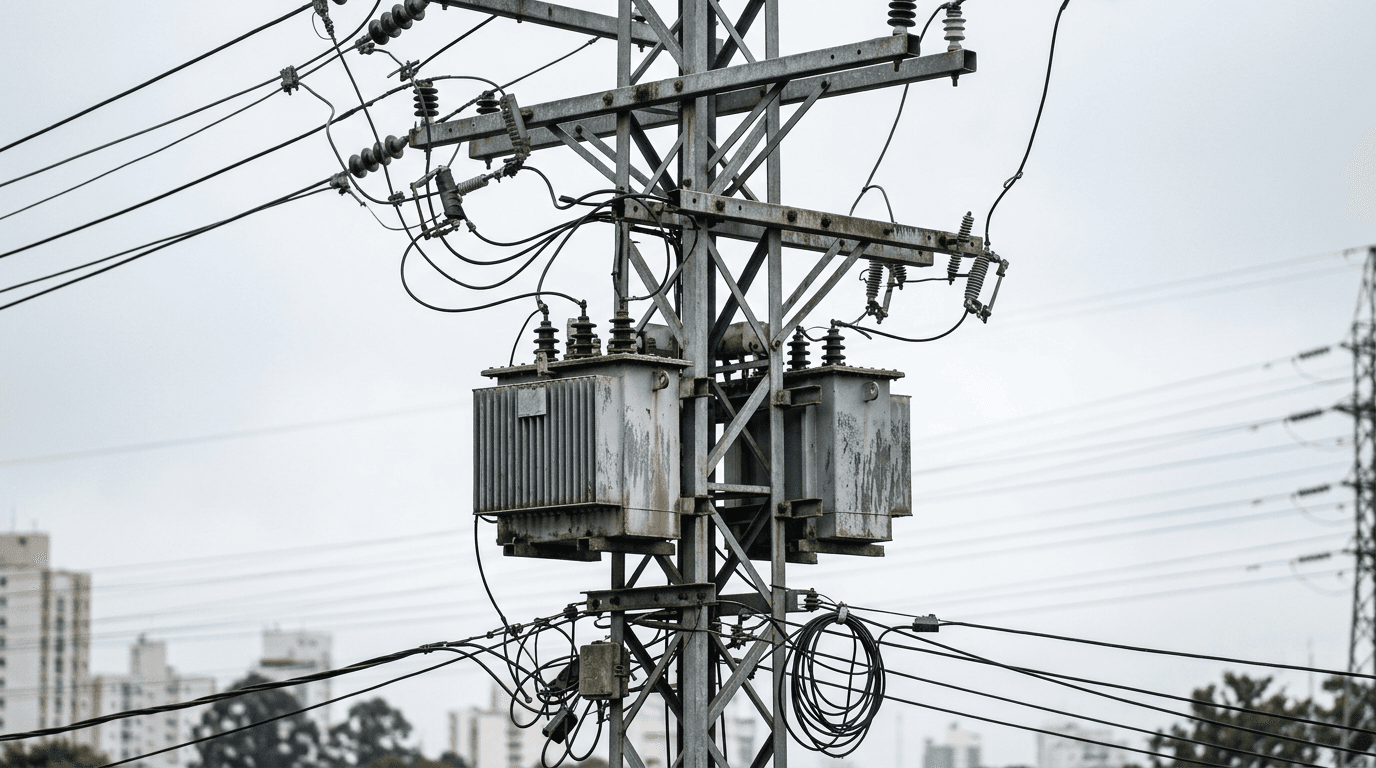 Enel ADR Faces São Paulo Concession Loss After Regulator VoteRegulators in Brazil have formed a majority to recommend terminating Enel SpA's major power distribution concession in São Paulo.
 Proposed 3% Brazilian Digital Tax Targets US Tech GiantsBrazilian Congressional Leader Randolfe Rodrigues submitted PLP 308/2026, proposing a 3% digital services tax on large tech platforms.