
Four-Way Tie for São Paulo Senate Seats Highlights Deep Divisions
A tight four-way race for São Paulo's two Senate seats between conservative and center-left candidates could shift the balance of power in Brazil's Congress.
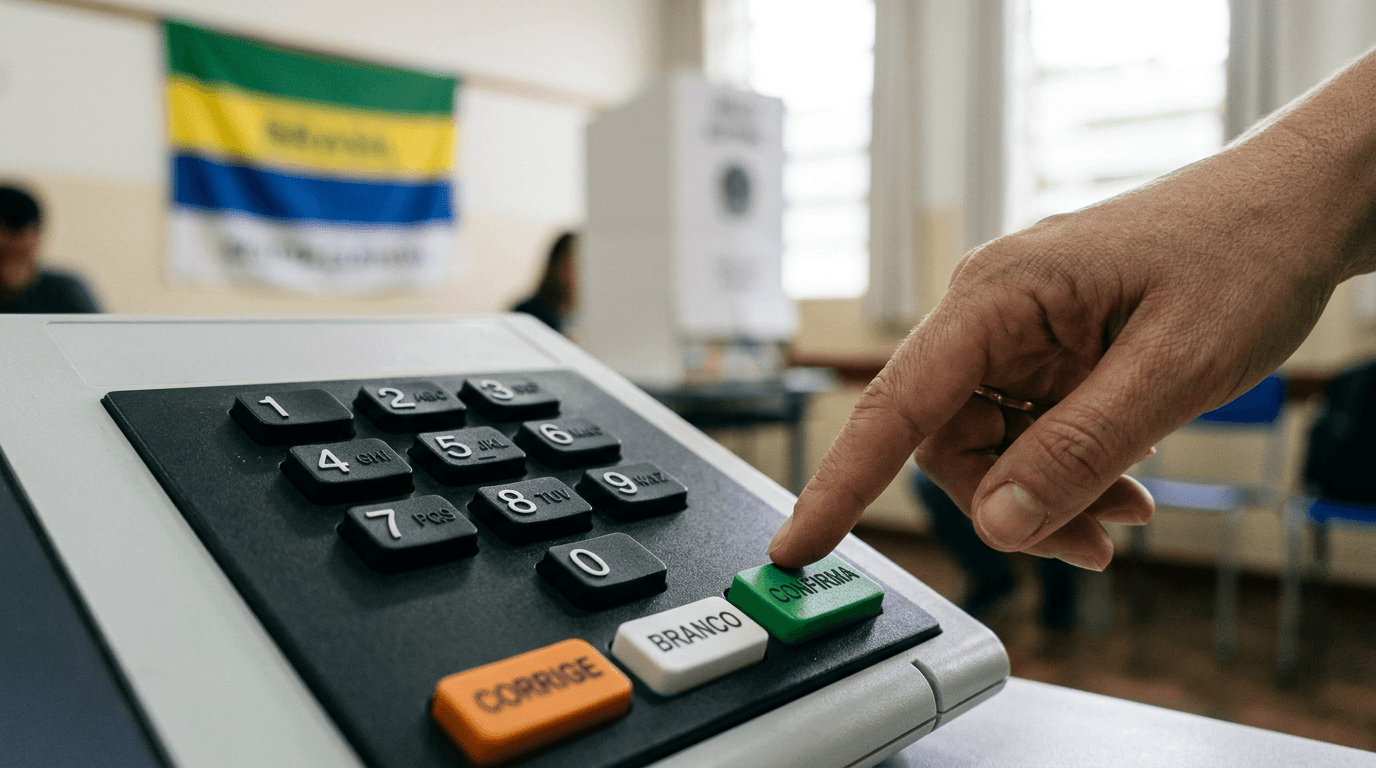
Voters in São Paulo are heading to the polls on October 4, 2026, to elect two federal senators in a race that has boiled down to a dead heat. According to the final pre-election poll by Datafolha, four prominent political figures are locked in a statistical tie, reflecting the deep ideological polarization within Brazil's most populous and economically powerful state.
The survey, conducted between September 28 and 30, 2026, shows center-left Environment Minister Marina Silva (Rede) slightly ahead with 16% of the vote. She is followed closely by conservative state lawmaker André do Prado (PL) and center-left Planning Minister Simone Tebet (PSB), both at 15%. Former São Paulo public security secretary Guilherme Derrite (PP), a conservative ally of Governor Tarcísio de Freitas, stands at 14%. With a margin of error of two percentage points, the race remains completely open.
This election is critical because the Senate holds the exclusive power to approve Supreme Court justices, ratify key diplomatic appointments, and pass constitutional reforms. São Paulo represents the crown jewel of Brazilian politics, boasting the country's largest electorate. A victory for the conservative candidates would strengthen the right-wing opposition in the upper house, while wins for Silva or Tebet would provide a crucial legislative shield for the federal government.
Unlike most legislative races, voters on this Brazil election date must select two different candidates for the Senate, as two-thirds of the 81-seat chamber is up for renewal. This unique system has led to strategic alliances, such as former candidate Ricardo Salles withdrawing to endorse both Derrite and Prado, aiming to consolidate the conservative vote. Conversely, the high percentage of undecided voters—which reached 53% in spontaneous polling—means the final outcome will likely be decided by last-minute choices at the electronic voting booths.