

EU Poultry Vote Set to Reopen Market for Brazil Meatpackers
EU member state experts vote on November 16–17, 2026, to lift a poultry and honey embargo on Brazil, while the beef ban remains unresolved.
Key takeaways
- SCoPAFF votes on restoring poultry access, per European Commission agendas on November 16, 2026
- Brazil exported 312,000 tonnes of poultry to the EU, per AVEC data on November 10, 2026
- Beef exporters face up to a two-year wait to resolve disputes, per ABIEC statements on October 2, 2026
For American retail investors tracking global food giants or international agricultural funds, a pivotal regulatory decision in Brussels during a two-day meeting on November 16 and 17, 2026, could soon reshape global trade margins. The European Union’s Standing Committee on Plants, Animals, Food and Feed (SCoPAFF) is voting on whether to lift an animal-product embargo that has blocked lucrative shipments of poultry and honey since September. Reopening this premium market would lift a costly ban on key agricultural exports, directly impacting major multinational food companies listed on New York exchanges.
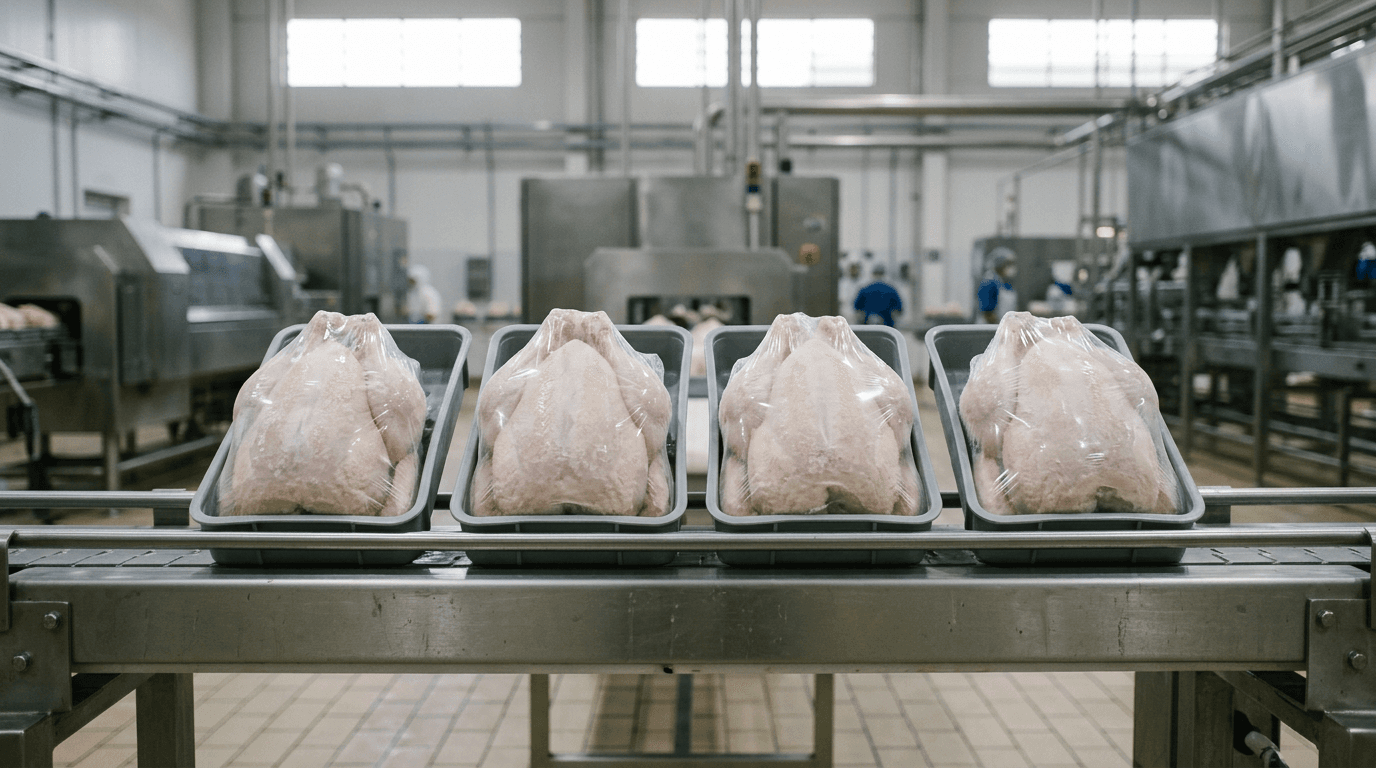
Brazil, the world’s largest exporter of chicken meat, was hit by the EU ban on animal products on September 3, 2026, following a dispute over controls on growth-promoting antimicrobials under EU Regulation 2019/6. Prior to the embargo, Brazilian poultry shipments to the EU were growing rapidly; exporters shipped approximately 312,000 tonnes of poultry to the bloc in the first nine months of 2026, a 34% increase over the entire previous year, according to data published on November 10, 2026, by the EU poultry association AVEC. The sudden ban severed these high-margin channels, forcing major domestic meatpackers like BRF and JBS to seek immediate administrative and diplomatic resolutions.
The diplomatic path to reopening began with a technical audit. From August 24 to September 4, 2026, a European Commission delegation inspected production facilities, slaughterhouses, and laboratory systems across the country. On September 28, 2026, the Commission published its final audit report, which concluded that Brazil's official control systems are capable of providing the required sanitary guarantees. SCoPAFF delegates discussed the positive report during their meeting on October 20–21, 2026, setting up the formal proposal to restore Brazil’s export status for poultry and honey during the mid-November session.
Poultry near clearance, but beef remains banned
While poultry and honey are poised for near-term approval, the EU embargo on beef remains firmly in place. European inspectors have noted that verifying lifetime compliance with antimicrobial rules is far more complex for cattle than for poultry, which has a much shorter 45-day production cycle. On October 19, 2026, Roberto Perosa, president of the Brazilian Beef Exporters Association (Abiec), emphasized that both public and private sectors are actively negotiating to lift the restrictions as quickly as possible. However, the European Union continues to insist on assessing controls only after a full cattle life cycle, which lasts at least two years—a timeline Perosa previously criticized as unacceptable.
Even with the European Commission's backing, the proposal faces domestic resistance from European agricultural lobbies. On November 12, 2026, the European think tanks Farm Europe and Eat Europe sent a letter to EU Commissioners requesting a postponement of the vote until "additional, independently verified" guarantees on supply chain segregation are provided. If the SCoPAFF vote passes during the November 16–17 session, the official authorization is expected to be published within 20 days, potentially allowing shipments to resume by December 2026.
In your brokerage app
American retail investors can gain exposure to this regulatory shift through American Depositary Receipts (ADRs) or international agricultural exchange-traded funds (ETFs). Reopening the premium European market directly benefits BRF S.A., a massive poultry exporter listed in New York as BRFS, which stands to recover lost export margins. The decision also impacts global meatpacker JBS S.A., which can be accessed through broad emerging-market funds like the iShares MSCI Brazil ETF (EWZ), which holds these large-cap food processors.
Related coverage
 Court Audits Free Up R$ 4.7 Billion in Brazilian Treasury CashBrazilian court audits reject an OAB appeal, clearing the way to claw back R$ 4.7 billion in judicial debts and cushioning the sovereign balance sheet.
 Enel ADR Faces São Paulo Concession Loss After Regulator VoteRegulators in Brazil have formed a majority to recommend terminating Enel SpA's major power distribution concession in São Paulo.
 Proposed 3% Brazilian Digital Tax Targets US Tech GiantsBrazilian Congressional Leader Randolfe Rodrigues submitted PLP 308/2026, proposing a 3% digital services tax on large tech platforms.