
Brazil TSE Chief Nunes Marques to Address Nation Ahead of Historic Vote
Electoral court President Kassio Nunes Marques will address Brazil’s 158 million voters on Saturday, urging turnout amid concerns over AI and severe weather.
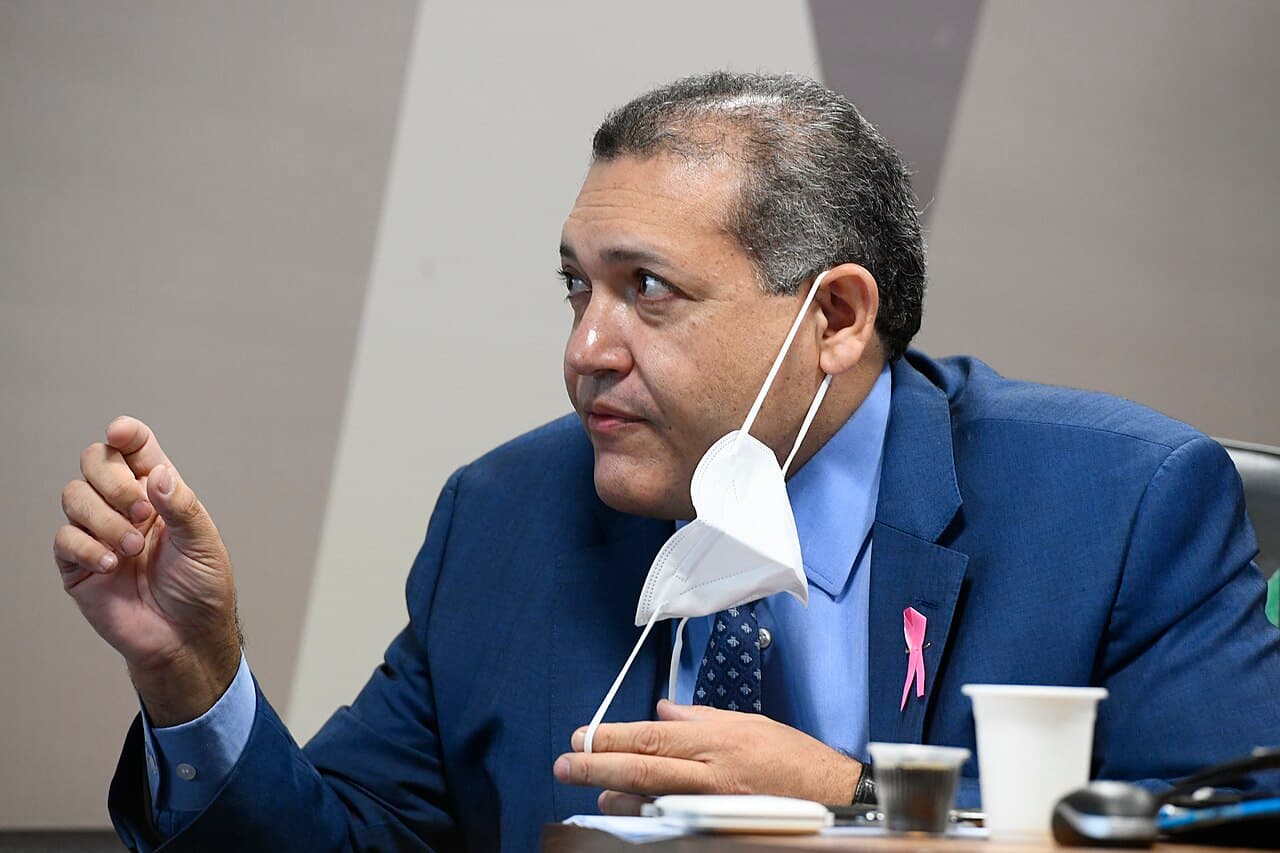
On Saturday, October 3, the president of Brazil’s Superior Electoral Court (TSE), Justice Kassio Nunes Marques, will deliver a five-minute national television and radio address to rally the country's 158 million eligible voters. The broadcast, scheduled for 8:30 p.m. local time, comes on the eve of one of the most polarized general elections in the nation's history, where citizens will cast ballots for president, governors, senators, and lawmakers.
The TSE is the specialized judicial body that oversees all aspects of Brazilian elections, from the security of electronic voting machines to the policing of campaign violations. Nunes Marques, a Supreme Court justice who assumed the rotating presidency of the electoral court earlier this year, has taken a firm stance on preserving the integrity of the vote. He recently warned that democratic nations must not tolerate foreign interference in their domestic elections, while pointing to deepfakes and AI-generated disinformation as the court's most urgent technological challenges.
Beyond digital threats, the electoral authority is grappling with severe physical challenges. The TSE has established a National Climate Situation Room to monitor how extreme weather—ranging from historic droughts in the Amazon basin to heavy rains in the south—might disrupt voting logistics. The dedicated operations center will track power grid stability, internet connectivity, and the transport of electronic voting machines to remote communities, ensuring that environmental crises do not disenfranchise voters on Sunday.
The stakes of the vote are immense, with the potential for a second-round runoff on October 25 if no presidential or gubernatorial candidate secures an absolute majority. To bolster public trust, Nunes Marques announced that the TSE will demand greater methodological transparency from polling firms ahead of any second-round runoffs. By addressing both the physical and digital battlegrounds, the electoral court aims to guarantee a secure, transparent, and undisputed outcome in a highly charged political atmosphere.