
Brazil Senate Debates Ending 6x1 Workweek in Election Battle
Senate President Davi Alcolumbre opened floor debates on the PEC 221/2019 reform, turning the 6x1 workweek into a critical campaign battleground.
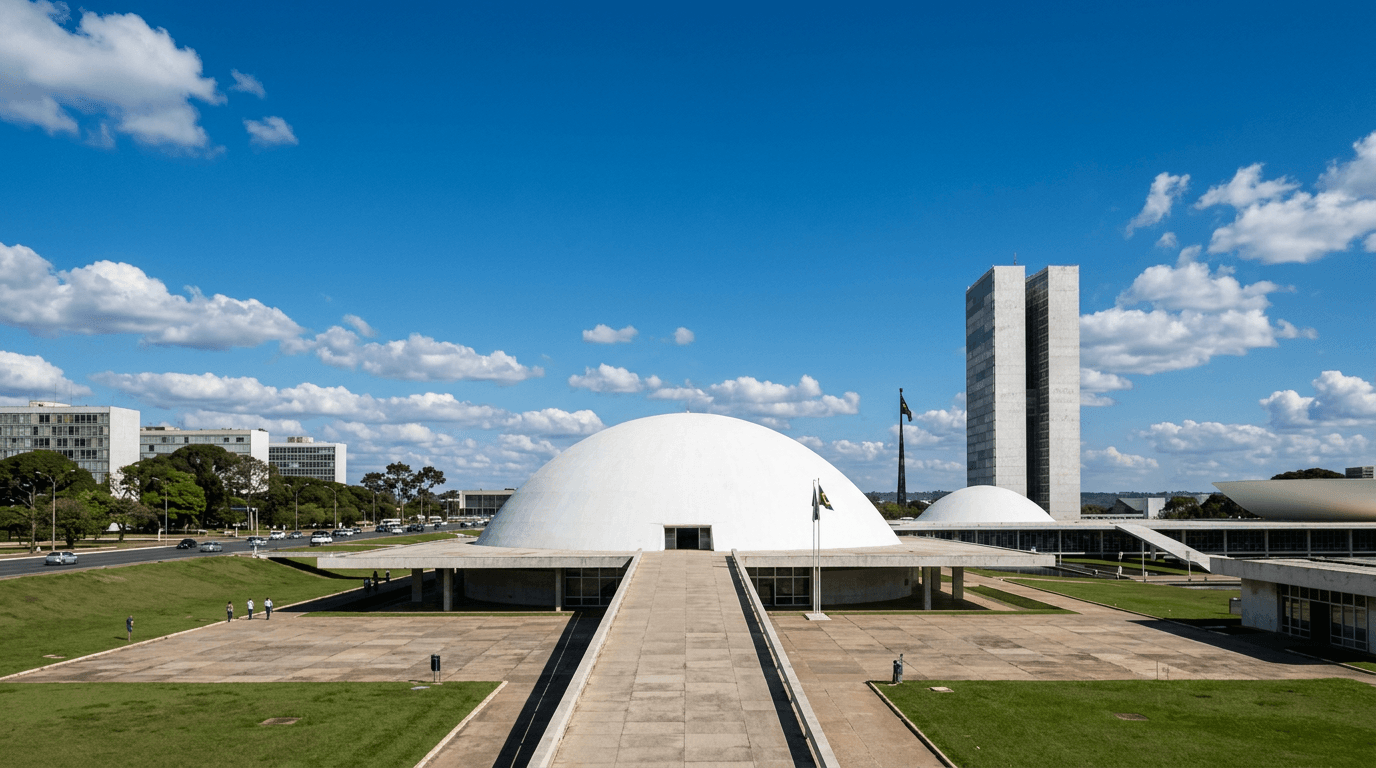
The Brazilian Senate has officially revived the highly polarized debate over eliminating the country's traditional six-day workweek, transforming a major labor reform into a critical electoral battleground. On October 6, 2026, Senate President Davi Alcolumbre initiated the first of five mandatory plenary discussion sessions on Constitutional Amendment Proposal (PEC) 221/2019. The proposal aims to reduce Brazil’s maximum weekly working hours from 44 to 40 and legally guarantee two weekly rest days, effectively ending the common "6x1" shift pattern where employees work six days for every one day off.
The timing of the legislative push is deeply intertwined with Brazil’s high-stakes presidential election cycle. Following the first-round vote on October 4, which saw conservative challenger Flávio Bolsonaro take a narrow lead over leftist incumbent President Luiz Inácio Lula da Silva, the "end of the 6x1 scale" has become Lula’s primary campaign flag to mobilize working-class voters. The government is pushing for a first-round vote in the Senate before the decisive October 25 runoff. Conversely, conservative opposition senators, emboldened by a strong showing in the legislative elections that will reshape Congress in 2027, are actively attempting to delay proceedings and obstruct the necessary quorum.
For foreign observers, the battle highlights the complex mechanics of Brazil's legislative process. To pass a constitutional amendment, the proposal requires three-fifths approval (49 out of 81 senators) in two separate voting rounds. While Alcolumbre has committed to following the strict constitutional timeline, allowing a potential first-round vote as early as mid-October, he has not guaranteed that both rounds will be finalized before the election. This leaves open the possibility that the final decision will be pushed past the October 25 runoff to prevent the legislative vote from directly interfering with the presidential race.
Business Pushback and Economic Friction
The proposed reform has faced fierce resistance from Brazil's private sector, particularly in low-margin, labor-intensive industries. Representatives from the retail, services, and industrial sectors warn that a sudden transition to a mandatory "5x2" schedule will trigger a sharp spike in operational and labor costs. Industry groups argue that because the law prohibits nominal salary reductions, companies will be forced to hire additional staff to cover the extra rest days, driving up consumer prices and fueling inflation.
Supporters of the amendment, including labor unions and left-wing lawmakers, counter that the current 6x1 system is an outdated model that degrades workers' quality of life. They argue that the transition to a 40-hour workweek will ultimately be offset by gains in labor productivity, lower rates of employee burnout, and increased domestic consumption as workers gain more leisure time.
What it touches
The legislative battle over the 6x1 workweek directly impacts listed companies on the Brazilian stock exchange, the Ibovespa. Large-scale employers in the retail, commerce, and food service sectors are highly exposed to the potential rise in payroll expenses and structural shift changes. Additionally, persistent concerns over rising labor costs and their potential to fuel service-sector inflation could influence the central bank's monetary policy decisions, keeping interest rates elevated and weighing on domestic equities.