
Brazil Senado Debates 6x1 Workweek Ban to Pressure Bolsonaro Camp
Allies of President Lula push to vote on a popular workweek reduction before the October 25 runoff, putting conservative rival Flávio Bolsonaro in a bind.
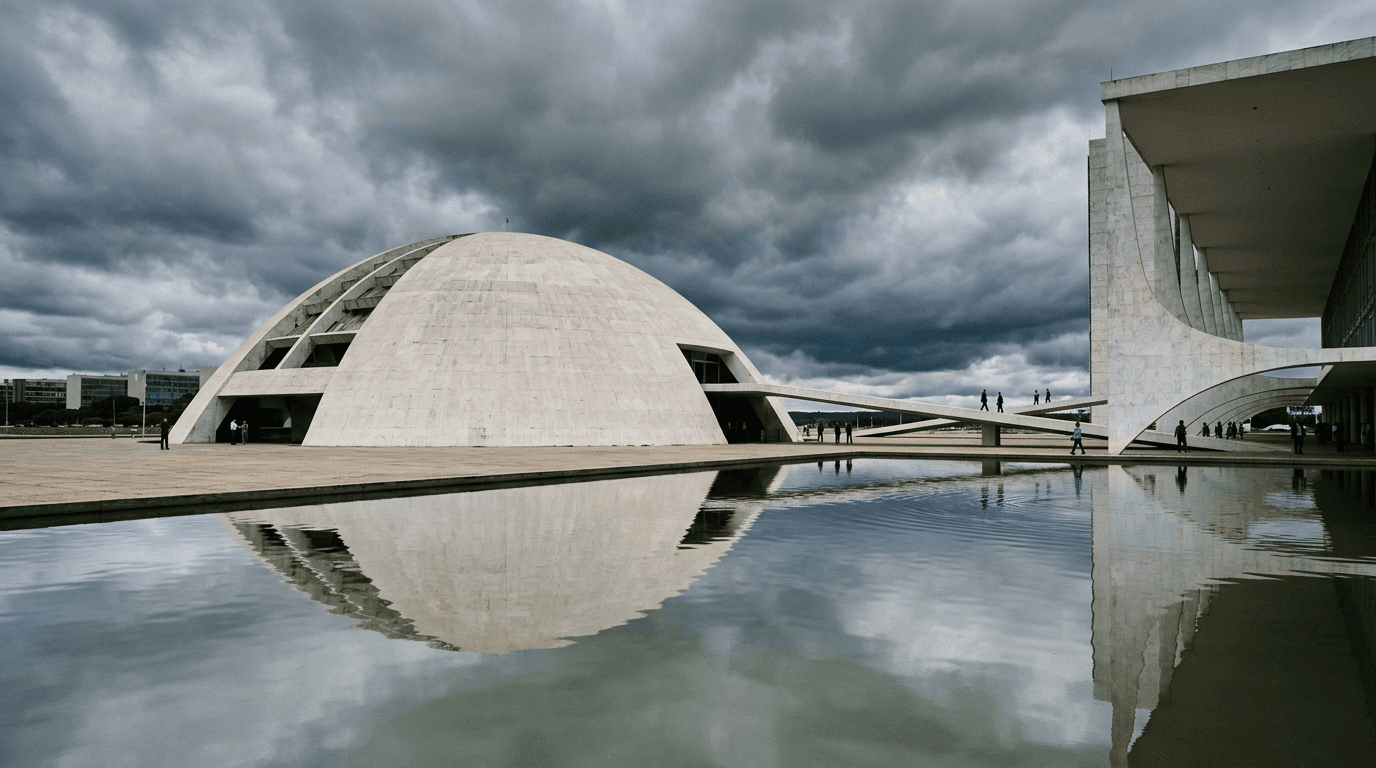
The Brazilian Senate has initiated floor debates on a highly popular constitutional amendment to ban the country’s traditional "6x1" workweek—six days of work followed by one day of rest. Allies of leftist President Luiz Inácio Lula da Silva are fast-tracking the proposal in the brazil senado to force a vote before the October 25 presidential runoff election. The strategic move is designed to pressure conservative candidate Flávio Bolsonaro, a senator and the son of former President Jair Bolsonaro, whose camp is wary of alienating working-class voters.
The proposed constitutional amendment, known as PEC 221/2019, seeks to reduce Brazil's maximum weekly working hours from 44 to 40 and guarantee two mandatory rest days per week without reducing salaries. To pass, the amendment requires a three-fifths majority—or 49 votes—across two separate rounds of voting in the 81-seat Senate. Government leaders are pushing to conclude the first-round vote by October 15, directly in the heat of the campaign.
The timing of the debate has sparked intense political maneuvering in Brasília. Opposition senators allied with Flávio Bolsonaro, primarily from the Liberal Party (PL), largely boycotted the opening floor session on October 6 to delay a quorum cnnbrasil.com.br. Senator Rogério Marinho, the coordinator of Flávio Bolsonaro's presidential campaign, called the pre-election rush "opportunistic" and accused President Lula of using the labor reform as a desperate bid to reconnect with voters cnnbrasil.com.br.
A High-Stakes Electoral Trap
For the Bolsonaro campaign, the workweek ban represents a delicate political trap. While conservative politicians and business associations generally oppose mandatory working-hour reductions due to concerns over labor costs and productivity, the "6x1" ban is overwhelmingly popular among the public. Polls indicate that approximately 70% of Brazilians support ending the six-day shift extraclasse.org.br.
Voting against the measure just days before the presidential runoff could severely damage Flávio Bolsonaro's appeal among working-class voters. Conversely, voting in favor would alienate his core pro-business constituency. To navigate this dilemma, opposition leaders have requested Senate President Davi Alcolumbre to postpone the vote until after the election globo.com. They are also promoting an alternative proposal that would allow workweek reductions only if accompanied by proportional salary cuts uol.com.br.
Alcolumbre has indicated that the Senate will follow its standard regulatory procedures, which require five mandatory floor debate sessions before a first-round vote can take place senado.leg.br. However, government allies are actively collecting signatures for an urgency request to fast-track the schedule senado.leg.br. If they succeed, the vote will proceed as planned next week, forcing every senator to register a definitive stance on the popular labor reform.
What it touches
The debate over the workweek reduction directly impacts Brazilian retail, services, and industrial sectors, which rely heavily on flexible shift scheduling. Concerns over rising operational costs and potential inflationary pressure could influence domestic equities and the MSCI Brazil ETF (EWZ), as investors monitor how the proposed transition to a 40-hour limit will affect corporate margins ahead of the presidential runoff.