
Brazil Pushes Court for Fracking Green Light, Eyes Pelotas Basin
The Ministry of Mines and Energy is lobbying the Superior Court of Justice ahead of a critical October 14 ruling to unlock unconventional oil and gas.
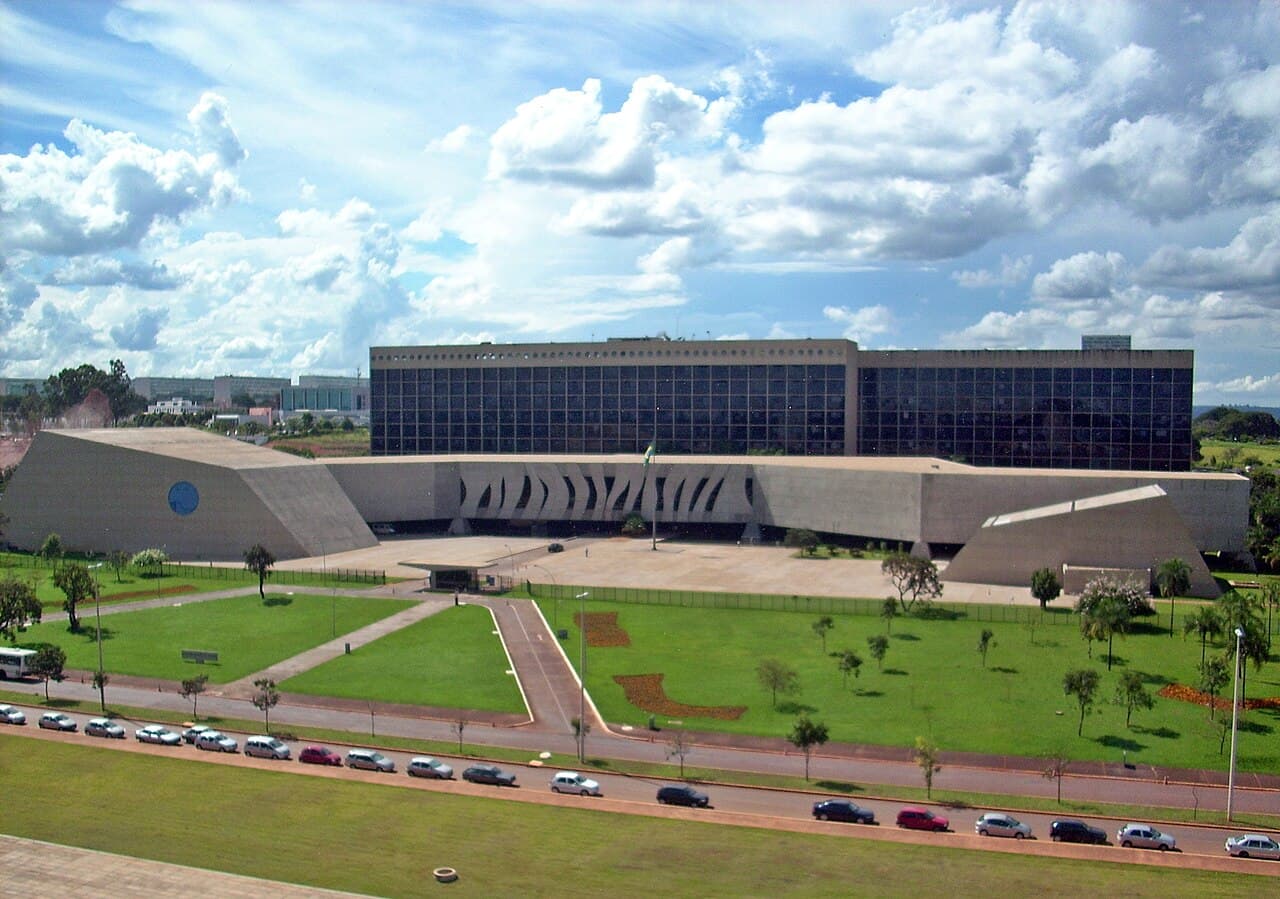
BRASILIA — Brazil’s federal government is actively lobbying the country’s Superior Court of Justice (STJ) to secure a favorable ruling on hydraulic fracturing, commonly known as fracking. The push comes ahead of a crucial October 14, 2026, court session that is expected to define the national legal framework for extracting unconventional oil and gas.
Renato Cabral Dias Dutra, the Secretary for Petroleum, Natural Gas, and Biofuels at the Ministry of Mines and Energy (MME), confirmed on October 7, 2026, that the administration has held extensive talks with the court’s lead reporting judge, Afrânio Vilela. The government’s primary goal is to shift the regulatory authority over fracking from the judiciary to administrative agencies, such as the National Petroleum Agency (ANP). By keeping these decisions within the executive branch, the ministry hopes to bypass environmental court blocks that have stalled unconventional drilling for over a decade.
The legal battle dates back to a 2013 licensing round where several exploration blocks in the Paraná Basin were auctioned. Federal courts later annulled those contracts, citing a lack of comprehensive environmental studies and the potential risks fracking poses to underground water sources like the Guarani Aquifer. While environmentalists and the National Environment Council (Conama) urge the court to apply the "precautionary principle" due to contamination risks, the energy ministry argues that technical, case-by-case administrative licensing is sufficient to manage safety.
Opening New Frontiers in the Pelotas Basin
Alongside the push for fracking, the government is moving to open up new offshore oil and gas frontiers. Secretary Dutra announced that the MME is in the final stages of negotiating a joint declaration with the Ministry of Environment and Climate Change to release more than 50 exploration blocks in the offshore Pelotas Basin.
Located off the southern coast of Brazil, the Pelotas Basin is considered by the government to be the "next step" for the country's permanent licensing offer. The region has generated significant interest from international energy companies looking for major offshore discoveries outside of the traditional, highly competitive pre-salt fields. A coordinated release by both ministries would signal a major administrative breakthrough, smoothing the path for environmental licensing before the blocks are officially put up for auction.
The dual strategy highlights the government's determination to expand domestic fossil fuel production even as it faces domestic resistance over environmental concerns. How the STJ rules on October 14 will serve as a major indicator of whether Brazil will open its vast onshore shale reserves to commercial drilling or keep them locked away under environmental safeguards.
What it touches
The outcome of the STJ ruling and the expansion of the Pelotas Basin directly impact state-run oil giant Petrobras (PETR4), which holds a dominant position in Brazil’s exploration landscape and previously signed contracts in the disputed fracking blocks. A favorable ruling for the government would also lower regulatory barriers for private onshore operators and international oil majors looking to bid on the upcoming Pelotas Basin offshore blocks.