
Brazil First Lady Janja Defies Critics, Vows Active Campaign Role
First Lady Janja da Silva rejects calls from campaign strategists to scale back her role in President Lula's second-round reelection bid.
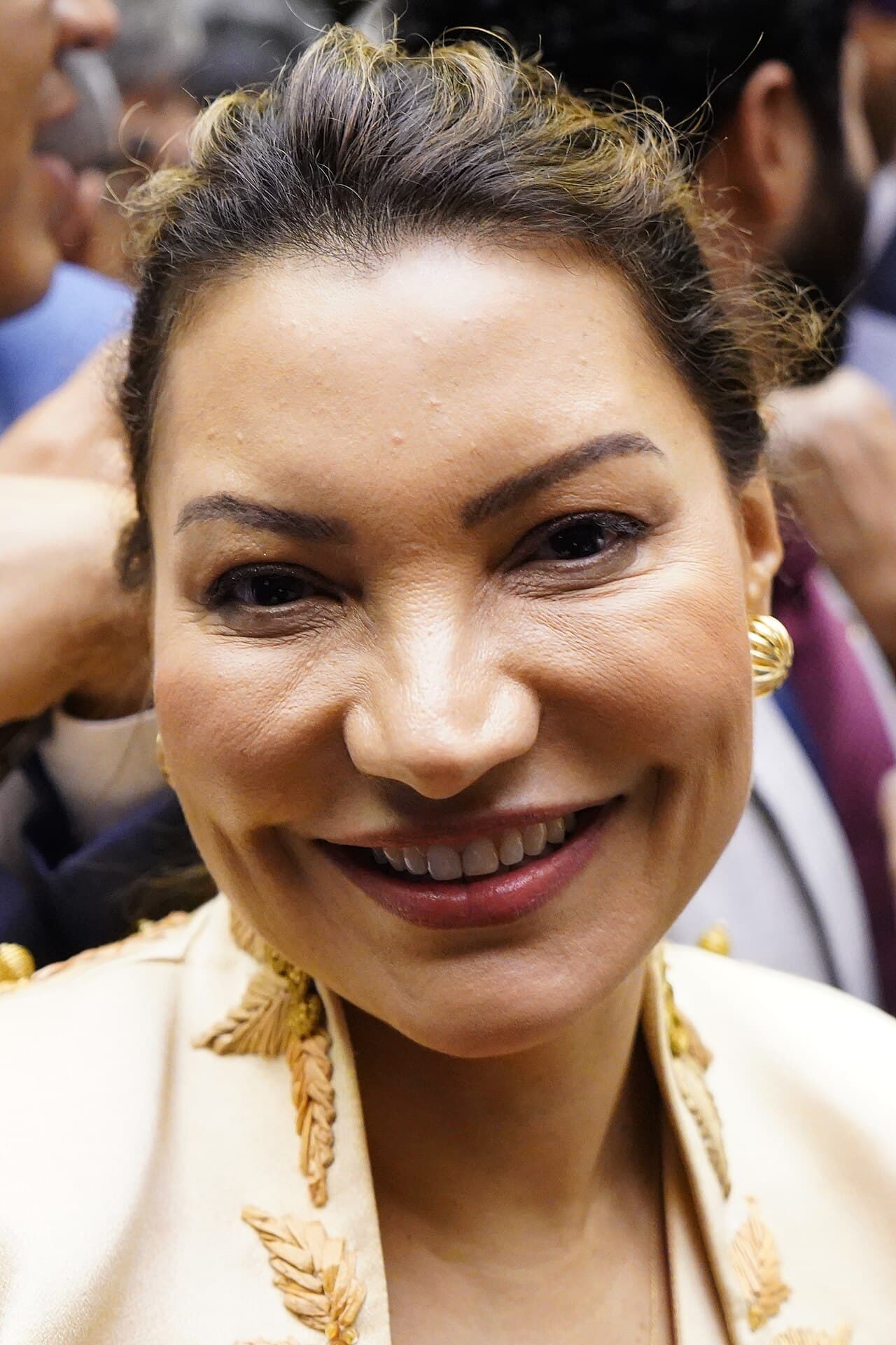
Brazil's First Lady, Rosângela "Janja" da Silva, has rejected pressure from senior campaign strategists to scale back her highly visible role in President Luiz Inácio Lula da Silva's reelection bid. The internal dispute erupted on October 6, 2026, during a tense, closed-door meeting of the Workers' Party (PT) national campaign coordination in Brasília, exposing deep strategic divisions as the left-wing coalition prepares for a high-stakes presidential runoff on October 25.
The friction became public after former Senator and campaign coordinator Kátia Abreu criticized the First Lady's prominent exposure, arguing that the campaign should prioritize moderate Vice President Geraldo Alckmin to win over crucial swing voters. Abreu's call for "less Janja and more Alckmin" was met with applause from several party officials during the meeting. Critics argue that Janja's progressive, outspoken profile alienates centrist and conservative voters, whereas Alckmin—a former governor of São Paulo and a traditional center-right figure—is better suited to reassure moderate electorates and the financial sector.
In response, Janja's team issued an official statement on October 7, 2026, declaring that "regardless of what people say, Janja will continue in the campaign". The statement asserted that her active participation is "legitimate and always backed by President Lula". Local media reported that the First Lady also sent a direct text message to Abreu reinforcing that her presence on the campaign trail is a decision made by her husband.
A Battle for the Political Center
The dispute highlights a broader tactical debate within the PT as Lula faces a challenging second-round matchup against conservative Senator Flávio Bolsonaro. After a highly competitive first round on October 4, campaign strategists are scrambling to recalibrate their communication. Many centrist allies argue that the campaign has relied too heavily on progressive cultural messaging and ideological rallies rather than addressing economic pragmatism.
Vice President Geraldo Alckmin is widely seen as the key to unlocking votes in São Paulo and the broader agricultural heartland, where Lula's coalition struggled during the first round. By sidelining Alckmin in favor of Janja's high-profile appearances, critics warn that the campaign risks isolating the moderate coalition partners needed to secure a majority.
With less than three weeks until the decisive vote, the campaign's internal struggle over its public face reveals the difficulty Lula faces in balancing his progressive base with the pragmatic demands of a polarized electorate. Whether the campaign shifts its focus toward Alckmin's centrist appeal in the final stretch remains to be seen, but Janja's refusal to step aside ensures she will remain a central figure on the trail.