
Brazil Electoral Court Upholds Ban on Viral Fake News Targeting Flávio Bolsonaro
Brazil's Superior Electoral Court (TSE) voted to uphold an injunction ordering the removal of viral posts falsely linking candidate Flávio Bolsonaro to a plan to strip Our Lady of Aparecida of her title as the nation's patron saint.
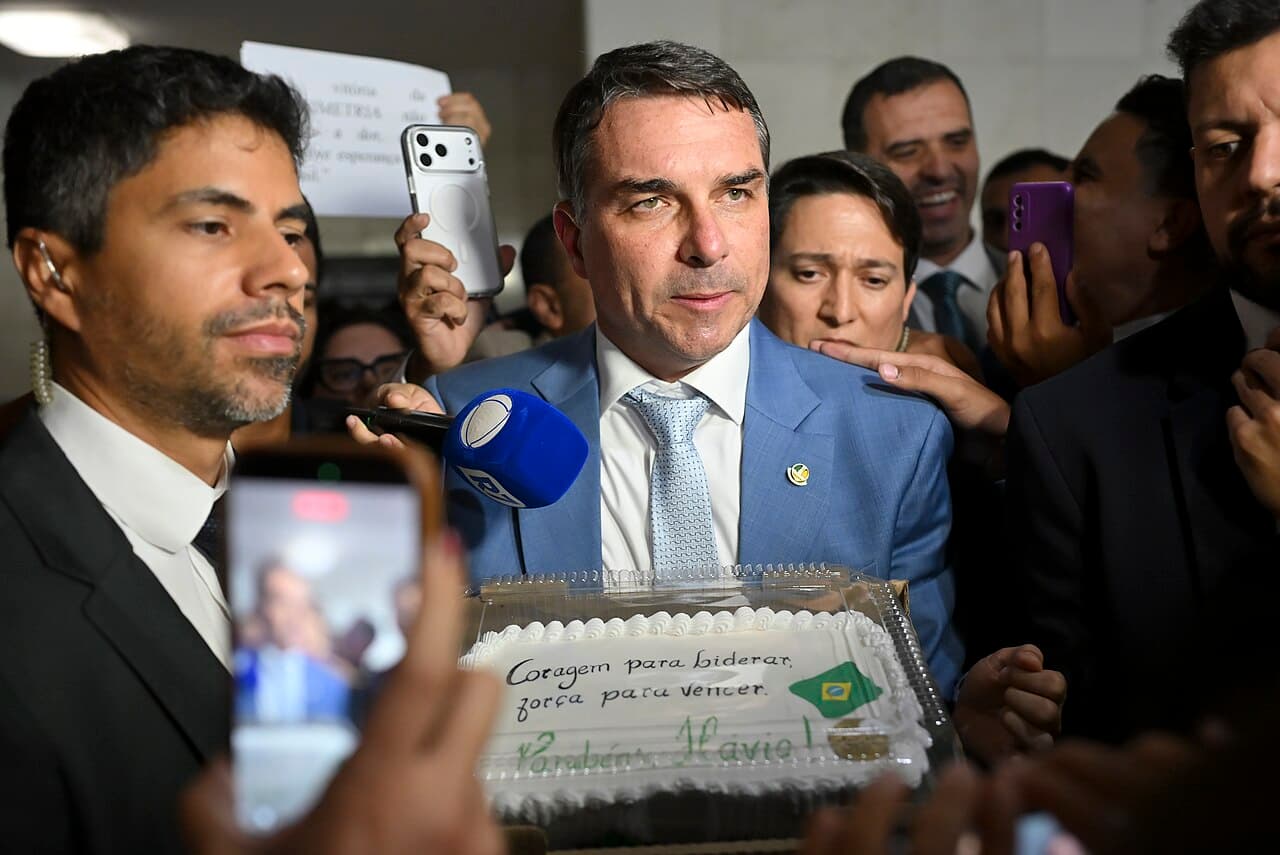
In a decisive move just days before Brazil's high-stakes elections, the country’s top electoral authority has intervened to halt a viral disinformation campaign targeting a prominent conservative figure. On September 30, 2026, the brazil superior electoral court (TSE) voted unanimously to uphold an injunction ordering social media platforms to remove viral posts targeting Senator Flávio Bolsonaro, who is currently running for office. The decision highlights the aggressive, hands-on role of Brazil's judiciary in policing online speech and managing political narratives in the final hours before voters head to the polls.
The controversy centered on viral social media posts falsely claiming that Flávio Bolsonaro—the eldest son of former right-wing President Jair Bolsonaro—and his family were backing a legislative project to strip Our Lady of Aparecida of her official title as the patron saint of Brazil. In a country where religious identity is deeply intertwined with political alignment, the rumor sparked intense backlash online. The TSE ruled that the claims were "notoriamente inverídicas" (notoriously untrue), confirming that the candidate had never authored, supported, or articulated any such proposal.
The case triggered a complex legal battle that reached the highest levels of the Brazilian judiciary. Justice André Mendonça, acting as the TSE relator, originally ordered the removal of over a thousand posts, including a satirical post by popular humorist Antonio Tabet. That initial order was briefly overturned by Supreme Court Justice Flávio Dino, who argued for the protection of free speech, before being reinstated by Justice Luiz Fux. Ultimately, the full electoral court brazil consolidated the ruling, voting to keep the ban on posts that explicitly and falsely link the Bolsonaro family to the anti-saint initiative, while adjusting the scope to preserve broader political commentary and satire, such as Tabet's post, where "reasonable doubt" about direct factual claims exists.
This judicial intervention underscores the unique power of the TSE, an institution established specifically to oversee elections, regulate campaigns, and combat what it deems systematic disinformation. While supporters argue these swift interventions are necessary to protect the integrity of the democratic process from digital manipulation, critics warn that the court's broad authority risks slipping into censorship and chilling political debate during critical campaign windows. As the first-round vote approaches, the ruling sets a clear precedent for how the judiciary intends to police the delicate intersection of religious faith, digital campaigns, and political speech.