

Petrobras returns to biofuels with $467 million corn-ethanol deal
Petrobras acquires a 42% stake in corn-ethanol producer Neomille for R$2.8 billion ($467 million), marking a massive pivot back into Brazilian biofuels.
Key takeaways
- Petrobras approved a R$2.8 billion ($467 million) transaction to buy a 42% stake in Neomille, per a CVM filing on November 23, 2026
- The deal links directly with Petrobras' $110 million acquisition of Logum Logística on November 12, 2026, per TipRanks
- Brazil's corn-ethanol industry is projected to consume 1.28 billion bushels of corn in the 2026/27 season, per Datagro via Van Trump Report on November 16, 2026
- Neomille plans to expand its ethanol production capacity by approximately 80% over the next two years, per CerradinhoBio's CVM filing on November 23, 2026
American grain investors monitoring the global corn trade are facing a massive shift in supply dynamics after Brazil’s state-owned energy giant, Petrobras, approved a R$2.8 billion ($467 million) transaction on November 23, 2026, to acquire a 42% stake in corn-ethanol producer Neomille from Grupo CerradinhoBio, according to a regulatory filing submitted to Brazil's securities commission, CVM, on November 23, 2026. This major transaction represents a strategic pivot back into biofuels that will divert vast quantities of Brazilian corn to domestic processing plants, intensifying competition for U.S. biofuel processors while tightening the global grain supply.
According to transaction details reported by TipRanks on November 23, 2026, the deal represents a direct strategic link with Petrobras' recent November 12, 2026, acquisition of Logum Logística, an ethanol pipeline network, for $110 million. By pairing Neomille's manufacturing capacity with Logum's 620-mile pipeline infrastructure, Petrobras intends to vertically integrate its biofuel supply chain and expand sales channels directly into Brazil's main fuel distribution corridors, marking its first major footprint in ethanol production since divesting its biofuel assets years ago.
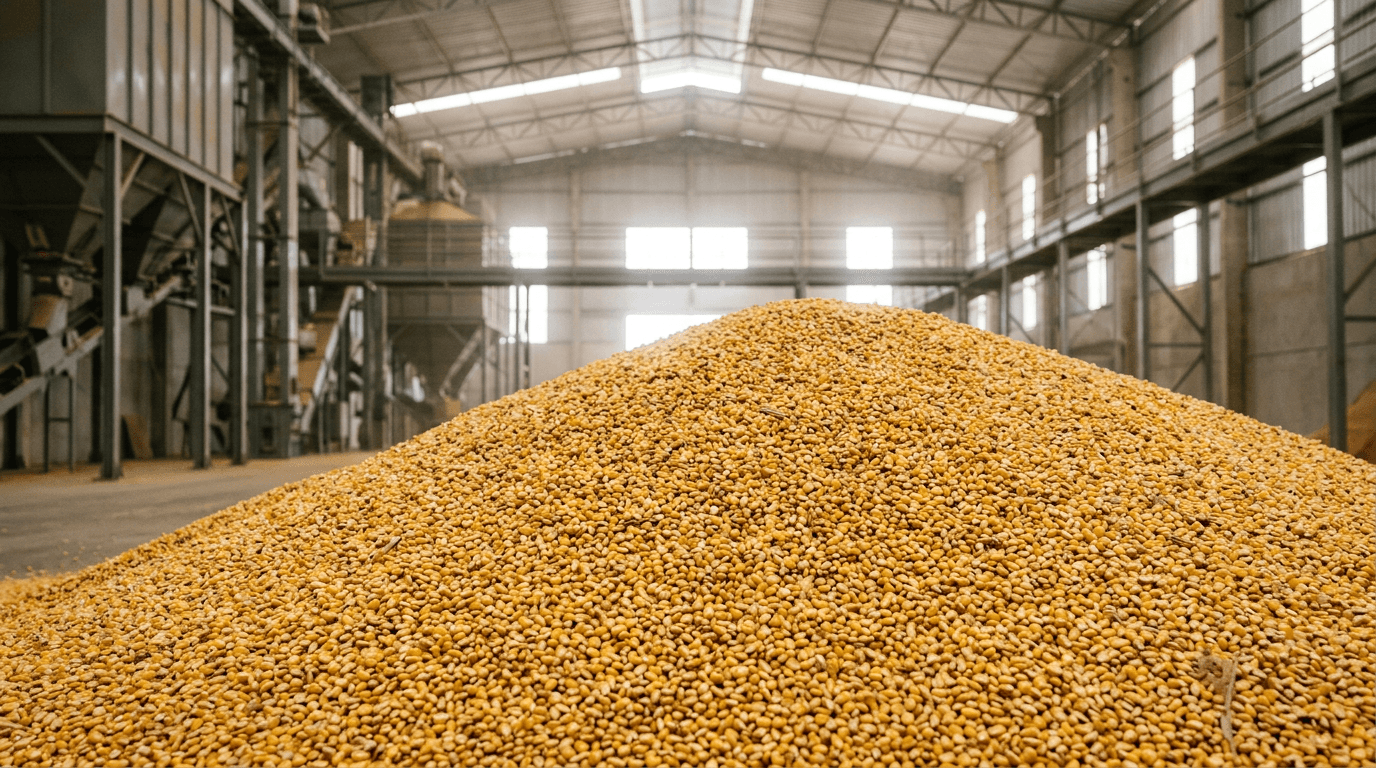
This aggressive expansion is occurring amid a broader domestic corn-ethanol boom in South America. Brazil's growing corn-ethanol industry is projected to consume 1.28 billion bushels of corn in the 2026/27 season, absorbing roughly 22% of national production domestically, according to projections by agricultural consultancy Datagro cited in the Van Trump Report on November 16, 2026. For years, Brazil’s rising second-season corn crop represented a major export threat to U.S. growers in international markets. However, as local biorefineries absorb more grain, the volume of Brazilian corn left for export is tightening, providing a potential floor for global prices and changing the terms of global grain trade.
Neomille, currently the third-largest corn-ethanol producer in Brazil, operates two key processing facilities in Chapadão do Céu, Goiás, and Maracaju, Mato Grosso do Sul, with a current combined capacity of 800 million liters annually. Under the terms of the transaction, R$1.8 billion ($300 million) of Petrobras' capital will enter the company as a primary contribution via new shares to fund an 80% capacity expansion to 1.5 billion liters by 2028, as detailed in CerradinhoBio's CVM filing on November 23, 2026. The rest of the funds will pay existing shareholders, including a contingent earn-out of up to R$397 million based on performance targets.
The transaction now awaits antitrust clearance from Brazil’s regulatory watchdog, CADE. Commodity traders and retail investors will want to watch the upcoming December crop supply estimates and CADE’s ruling timeline to gauge how quickly Petrobras can begin leveraging its newly acquired pipeline-to-pump integration.
In your brokerage app
For investors holding the Teucrium Corn Fund (NYSE: CORN) or agricultural giants like Archer-Daniels-Midland (NYSE: ADM) and Bunge (NYSE: BG), Brazil’s domestic consumption surge serves as a macro tailwind by limiting cheap export competition. Petrobras, which trades on the New York Stock Exchange under the ticker PBR, is simultaneously adjusting its capital allocation under its newly released 2027-2031 business plan, making the company a dual play on deepwater crude production and localized renewable energy corridors.
Related coverage
 Dollar Breaches 6.00 Reais as Lula Pulls Minister for Fiscal VoteThe U.S. dollar briefly crossed 6.00 Brazilian reais as President Lula temporarily dismissed a minister to secure a vote on a 56 billion-real fiscal package.
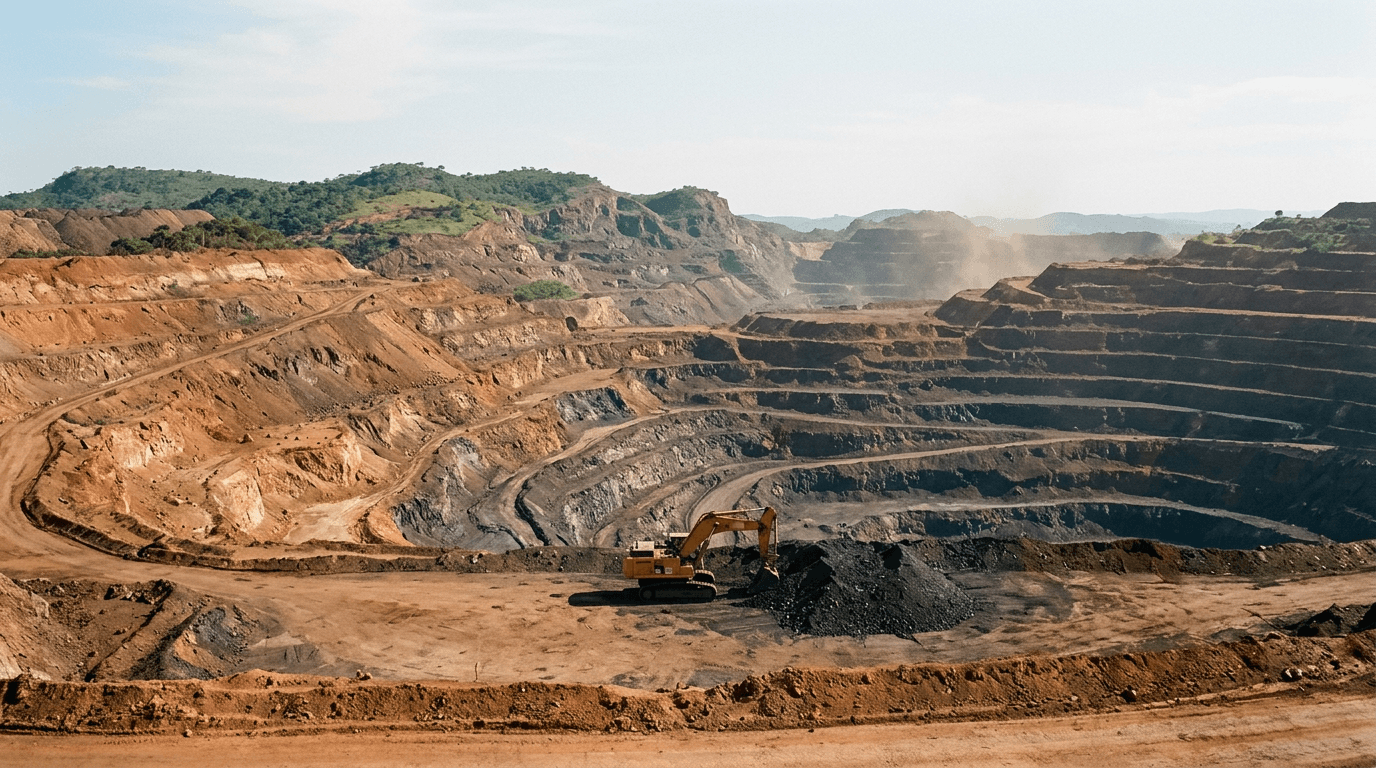 Vale Restarts Viga Iron Ore Mine After 10-Month ShutdownVale S.A. obtains judicial and federal approval to partially resume iron ore operations at its Viga mine in Minas Gerais, idle since January.
 US Soybean Speculators Hold Large Net-Long Position on CBOTWeekly CFTC data shows non-commercial traders held a net-long position of 145,816 soybean contracts as of November 17, 2026, amid strong Brazilian planting.