
Lula and Flávio Bolsonaro propose competing overhauls to Supreme Court
Brazil's runoff candidates propose rival reforms to curb the president's unilateral power to nominate Supreme Court justices, reshaping long-term political risk.
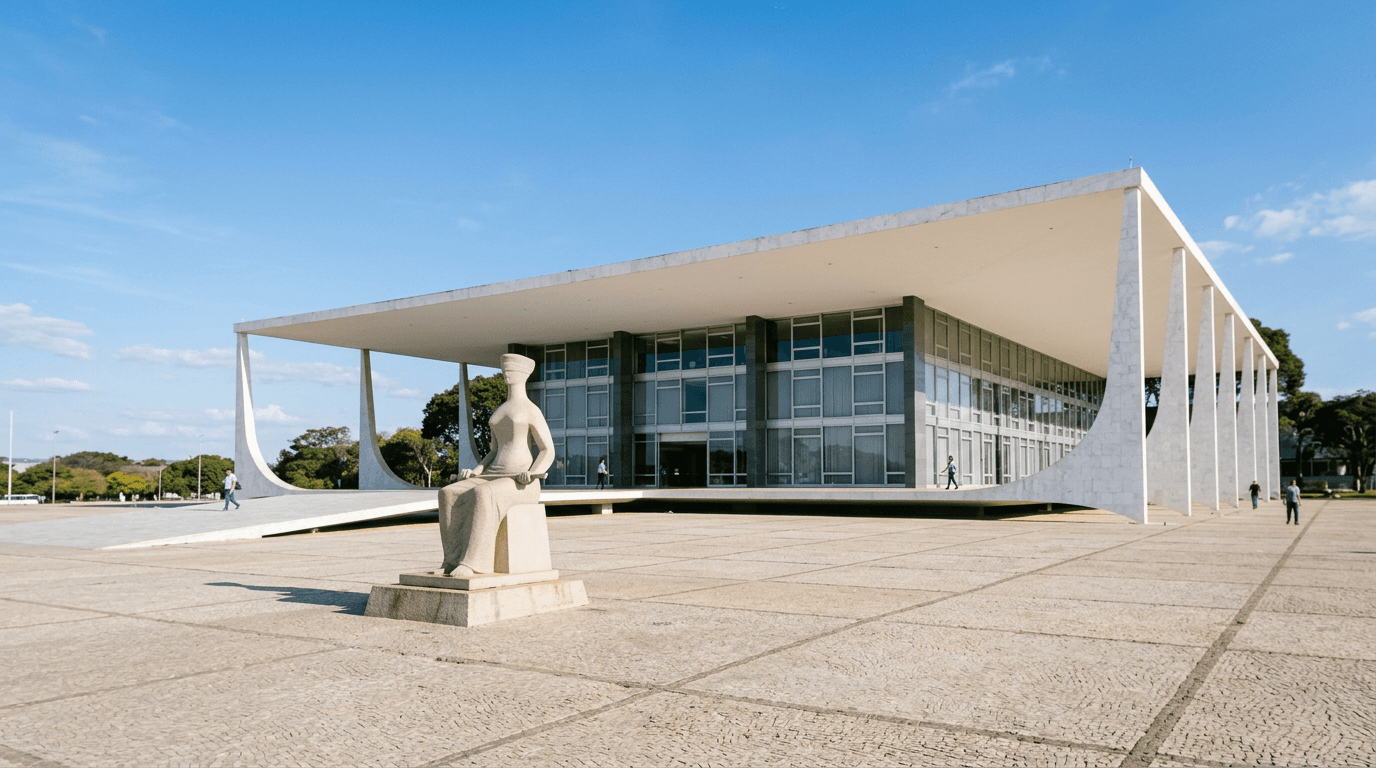
As Brazil’s highly polarized presidential election heads toward a decisive runoff on October 25, 2026, both leading candidates have proposed competing constitutional overhauls to the country's Supreme Federal Court (STF). Incumbent left-wing President Luiz Inácio Lula da Silva and his right-wing challenger, Senator Flávio Bolsonaro, are both campaigning on plans to strip the presidency of its unilateral authority to nominate justices. The proposals represent a rare consensus that the court’s current appointment process is broken, but they offer vastly different visions for the future of Brazil's highest judicial body.
The STF has long been a lightning rod in Brazilian politics, acting as the ultimate arbiter of major economic policies, corruption investigations, and political disputes. Currently, the president has the sole power to nominate any citizen aged 35 to 75 with "notable legal knowledge" and an "unblemished reputation," subject only to Senate approval. However, a series of high-profile clashes—including the Senate’s historic rejection of a Lula nominee in April 2026, the first such veto in 132 years—has fueled public distrust and intensified demands for reform. A September Datafolha survey revealed that 48 percent of Brazilians do not trust the STF, the highest level of skepticism recorded since tracking began in 2012.
To address this crisis, Flávio Bolsonaro—the son of former far-right President Jair Bolsonaro—is backing a proposal to restrict nominees to career judges. Under his plan, candidates must be active judges, appellate magistrates, or superior court justices aged 60 to 70. Crucially, the president would no longer choose freely; instead, they would have to select a nominee from a triple list compiled by a collegiate body of senior judicial institutions, including the STF and the Superior Court of Justice (STJ). Bolsonaro's allies argue this model would depoliticize the court by ensuring only seasoned, career jurists reach the bench.
Lula has countered with a model that seeks to dilute presidential power by looking outward to civil society. The incumbent president advocates for the creation of a collegiate vetting council that directly includes civil society organizations and legal entities. Under Lula’s proposed framework, this council would evaluate a list of potential nominees and issue a formal assessment before any name is sent to the Senate for confirmation. Lula’s campaign argues that incorporating academic, professional, and civic organizations would democratize the selection process and restore public confidence in the judiciary.
With four Supreme Court seats set to open during the next presidential term, the stakes for these institutional changes are incredibly high. A newly elected, right-leaning Senate taking office in 2027 is poised to be highly receptive to judicial overhauls, meaning that whichever candidate wins the runoff will have a strong legislative platform to push their constitutional amendments forward. For international observers, these competing proposals signal a fundamental shift in Brazil's checks and balances, as both political factions move to permanently alter how the country's most powerful legal institution is staffed.
What it touches
Any structural change to the STF directly impacts long-term regulatory stability and contract enforcement, which are critical for foreign direct investment in infrastructure, energy, and agribusiness. While a more predictable, career-focused judiciary under Bolsonaro's model or a more publicly vetted court under Lula's model could ultimately reduce political volatility, the transition period of rewriting constitutional rules risks creating short-term legal uncertainty for multinational companies operating in Brazil.