
Brazil Pix Payment System Hits Historic 1 Billion Key Milestone
Brazil’s state-backed instant payment system, Pix, surpassed 1 billion registered keys in September 2026, cementing its absolute dominance over cash.
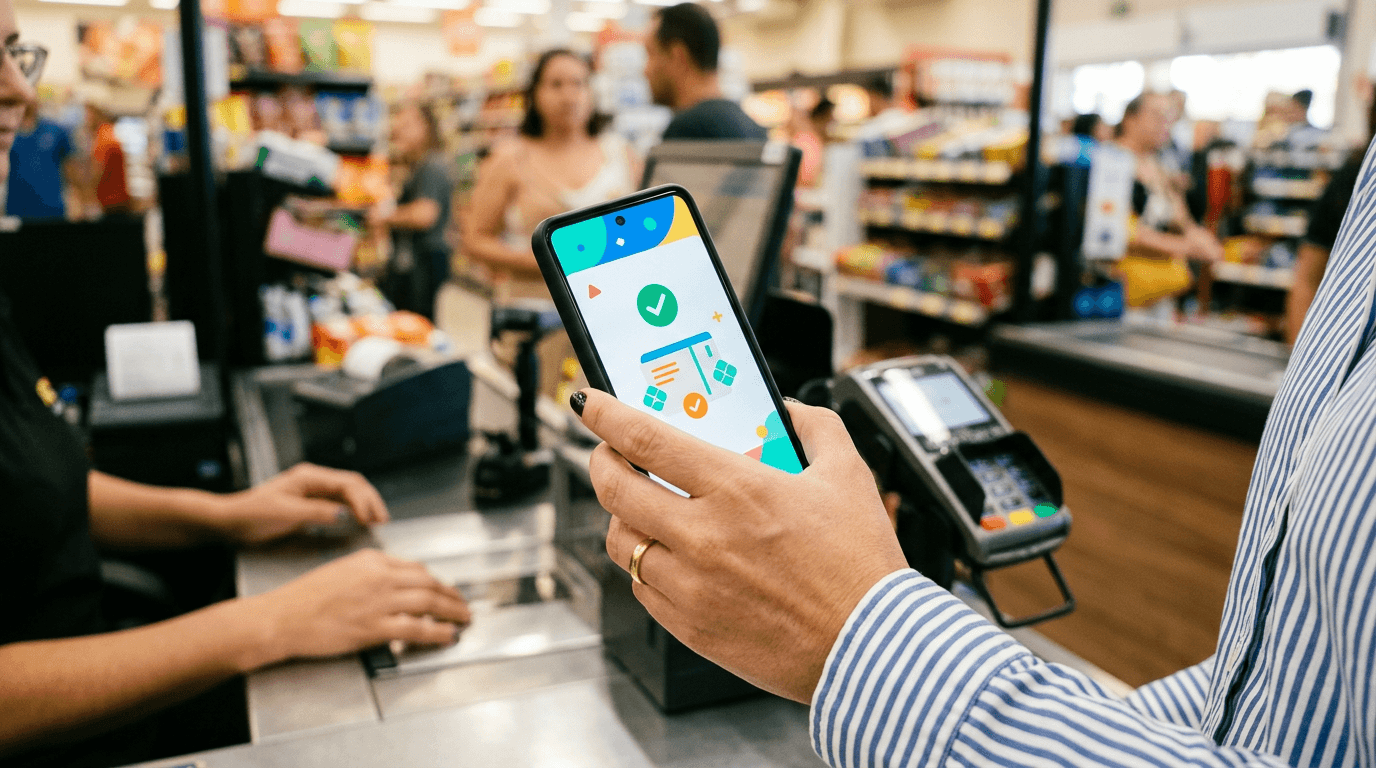
Brazil’s state-backed instant payment system has crossed a historic threshold, cementing its status as one of the most successful digital financial experiments in the world. The Central Bank of Brazil reported that the total number of registered Pix keys officially surpassed the 1 billion mark in September 2026. The milestone highlights the system's absolute dominance over traditional banking transactions and physical cash since its rollout in late 2020.
To understand the scale of this achievement, one must look at the unique design of the brazil pix payment system. A "Pix key" is a simplified alias—such as a cell phone number, email address, taxpayer ID (CPF), or a randomly generated code—that links directly to a user's bank account, allowing instant transfers without sharing sensitive routing numbers. According to the central bank's data, the system ended September 2026 with exactly 1.008 billion registered keys. Randomly generated keys led the way at 526.8 million, followed by cell phone numbers and CPFs.
This massive adoption has fundamentally reshaped daily life and commerce in Latin America’s largest economy. For an ordinary Brazilian, "doing a Pix" is now a verb used to split dinner bills, pay rent, buy street food, or settle business-to-business invoices. By offering fee-free, instantaneous transfers 24/7, the central bank has brought over 70 million previously unbanked citizens into the digital financial system. It has also drastically lowered transaction costs for merchants, who previously relied on expensive credit card terminals and slow settlement times.
The rapid expansion of Pix has forced traditional Brazilian banks to pivot their business models. With the lucrative transfer fees of the past virtually erased, financial institutions have had to shift their focus toward credit products, asset management, and value-added digital services to maintain profitability. Meanwhile, the central bank continues to expand the ecosystem. In October 2026, the regulator removed the previous daily transaction cap of 500 reais for contactless "Pix by approximation" payments, paving the way for even faster checkout lines at retail registers.
What it touches
The milestone directly influences the operational landscape for major financial services companies operating in Brazil. Traded payment processors and digital-first banks, such as PagSeguro Digital (NYSE: PAGS), Inter & Co. (NASDAQ: INTR), and traditional banking giants like Itaú Unibanco (NYSE: ITUB) and Banco Bradesco (NYSE: BBDC), are heavily exposed to this transition. As Pix continues to displace traditional debit cards and cash, these institutions are increasingly judged by their ability to monetize the massive transaction volumes through secondary credit offerings and integrated financial platforms.