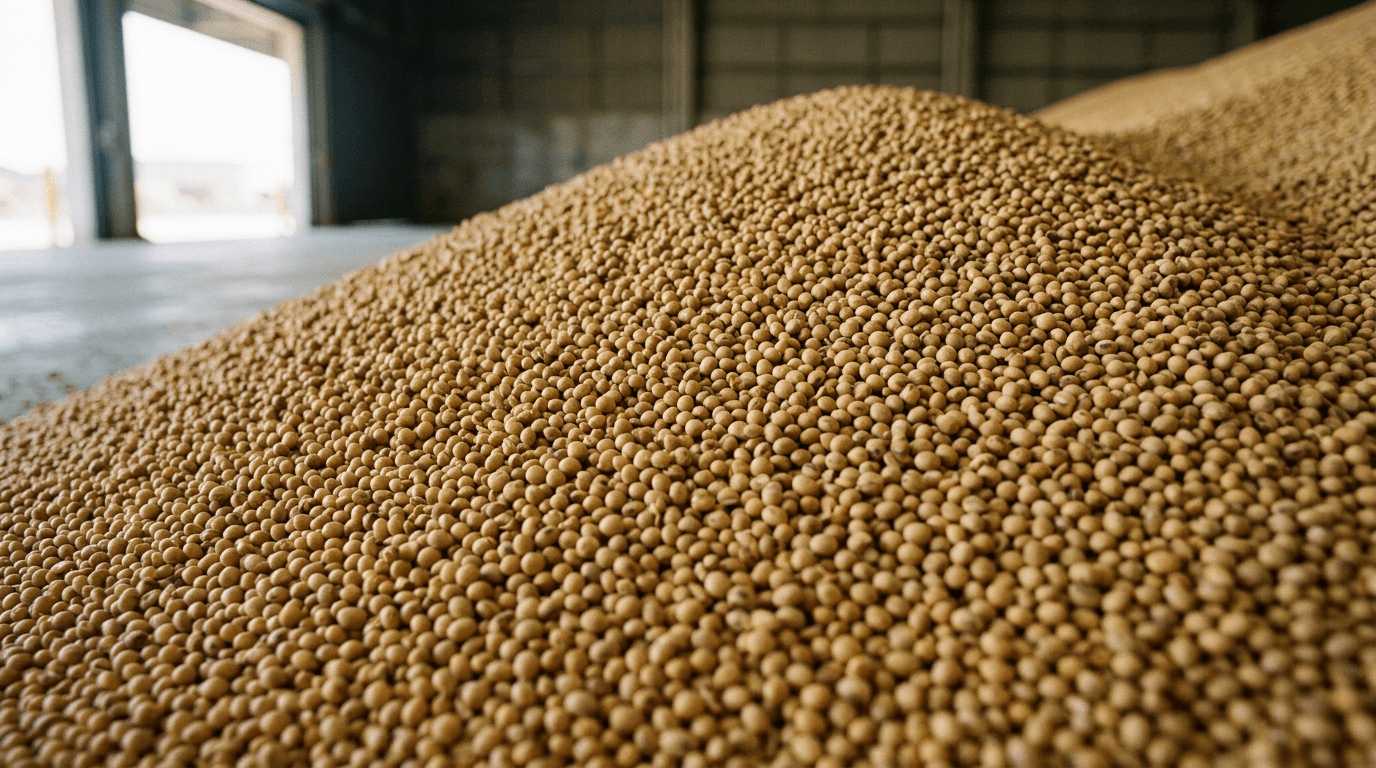
Banco do Brasil Profit Plunges 66.5% on Farm-Belt Debt Standoff
Banco do Brasil's Q3 adjusted profit plunged 66.5% to R$ 1.27 billion as farm-belt debt disputes and defaults hit the state-controlled lender's balance sheet.
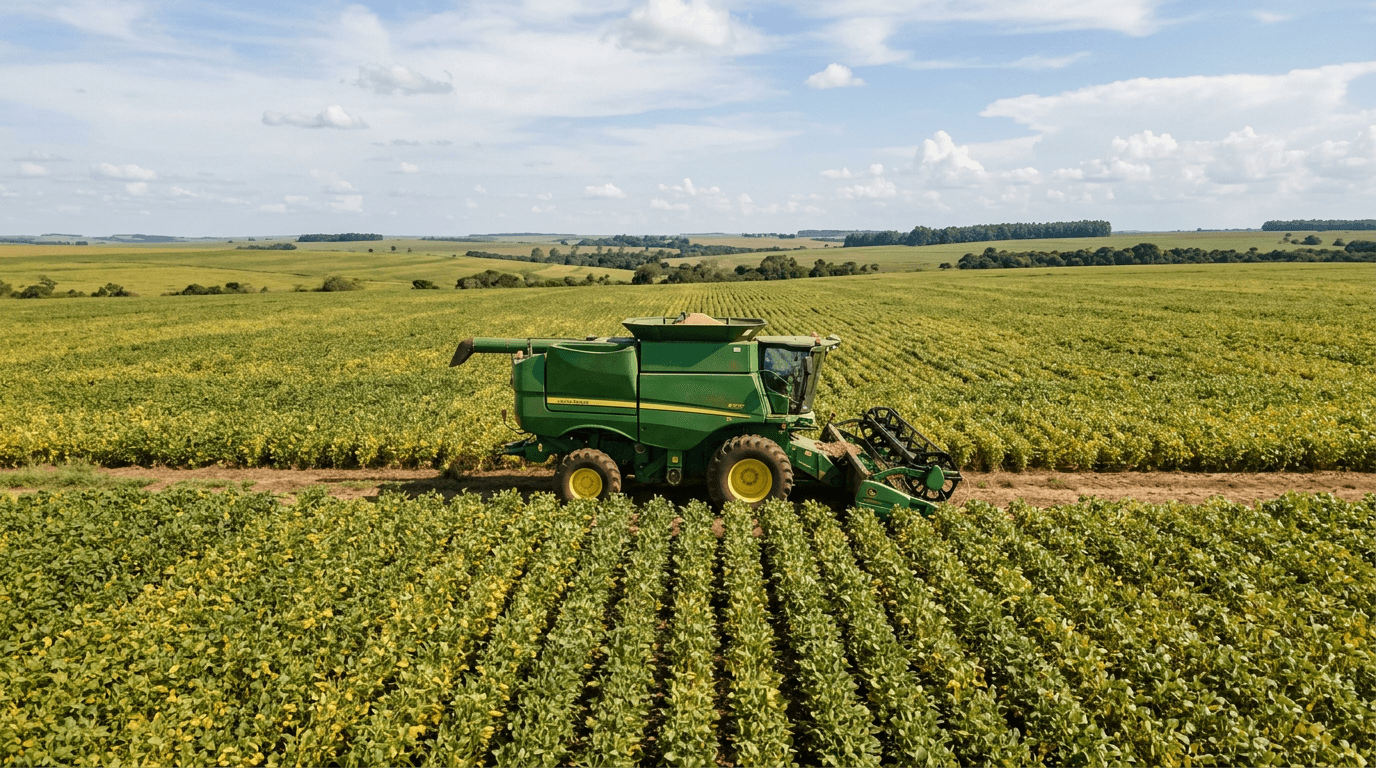
Banco do Brasil reported a steep 66.5% year-over-year decline in its third-quarter adjusted net income to R$ 1.27 billion on November 11, 2026, far missing Bloomberg consensus expectations of R$ 3.09 billion. According to third-quarter financial statements published by InfoMoney on November 11, 2026, the state-controlled bank's earnings were heavily dragged down by a sharp rise in non-performing loans within Brazil's agricultural heartland. This credit standoff in the key Center-West grain belt has sparked concerns over sector-wide agricultural credit risk, directly impacting both the bank's domestic valuations and broader retail funds that invest in Brazil.
The root of the sudden drop lies in a bold political gamble by a segment of Brazil's wealthy agricultural class following the conclusion of the 2026 election cycle. On November 13, 2026, Banco do Brasil CEO Tarciana Medeiros clarified in an interview with GloboNews that approximately 31,000 rural clients—representing 5.5% of the bank's 566,000 active agricultural credit accounts—were in default. While the vast majority of smallholder families continued to pay their debts, a group of larger, wealthier producers of soy, corn, and cattle in the Center-West formally rejected debt renegotiation under the federal relief program Medida Provisória (MP) 1.376. According to bank management, these high-volume borrowers chose to default while expecting that post-election political pressure would force the federal government into granting a full-scale agricultural debt bailout.
The Center-West region, which includes agricultural powerhouse states like Mato Grosso and Goiás, is a global engine for soybean and corn exports. However, successive crop failures, high operational costs, and low international commodity prices have severely squeezed farmers' profit margins over the past two years. To cover the resulting surge in agricultural defaults, Banco do Brasil was forced to boost its third-quarter cost of credit to R$ 21.2 billion, an 18.4% increase year-over-year. The bank's agricultural non-performing loan rate (loans overdue by more than 90 days) jumped to 6.92% in September 2026, up from 4.84% a year earlier.
To defend its balance sheet and preserve capital buffers against the default wave, Banco do Brasil announced on November 12, 2026, that it would slash its dividend payout ratio to the statutory minimum of 25% for 2026. According to data published by Agência Brasil on November 12, 2026, the bank also halved its full-year 2026 net income guidance to between R$ 9 billion and R$ 11 billion, down from its previous projection of R$ 18 billion to R$ 22 billion. Shares of the state-backed lender plummeted 8.35% in São Paulo trading on November 12, 2026, dragging the benchmark Ibovespa index down. Meanwhile, the farm association Aprosoja Brasil pushed back against the bank's "debt strike" framing, asserting that farmers are suffering from a genuine, climate-induced economic emergency rather than executing a coordinated, bad-faith default.
Whether the federal government holds the line on credit discipline or bends to the powerful agribusiness lobby will dictate the sector's outlook going into 2027. Banco do Brasil has already begun to harden its stance, initiating extrajudicial asset collection on more than 400 properties and registering dozens of bankruptcy proceedings. If the standoff persists without a federal bailout, the credit squeeze could severely constrain financing for the next planting season, further weighing on Brazil's agricultural output.
In your brokerage app
For retail investors holding the iShares MSCI Brazil ETF (NYSE Arca: EWZ), this farm-belt credit dispute highlights how deeply the global agricultural supply chain is intertwined with the country's public equity valuations. Banco do Brasil is a major constituent in the benchmark index, meaning a systemic credit slowdown in the agribusiness sector directly impacts the performance of exchange-traded funds that track Brazilian equities.