

EU rules out quick return for Brazilian beef over tracking cycle
European diplomats dash hopes of a swift transition period for Brazilian beef exports, citing a strict two-year lifecycle tracking rule for antimicrobials.
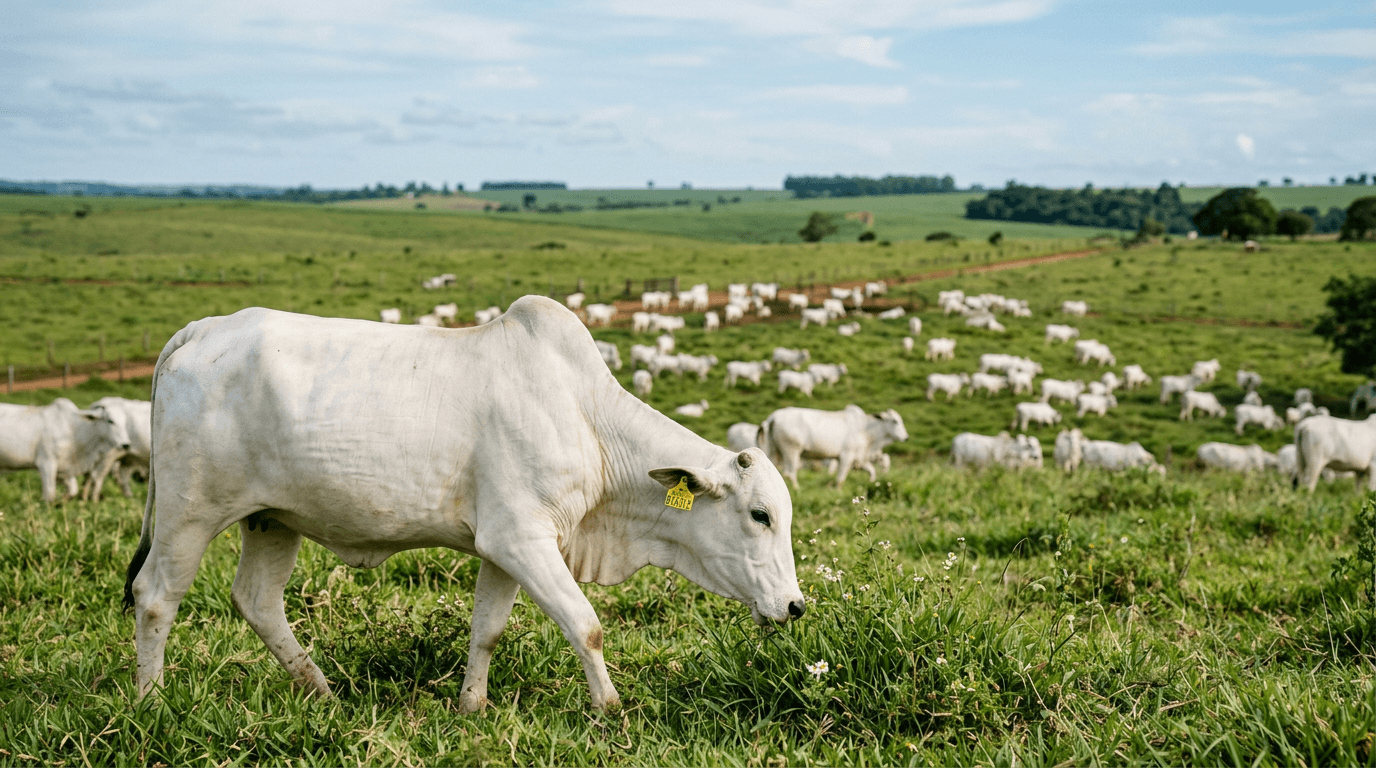
European officials have dashed hopes of a quick transition period for Brazilian beef exports, warning that resuming trade requires tracing cattle from birth to slaughter to prove they are free of banned growth promoters. Jean-Pierre Bou, deputy head of the EU Delegation to Brazil, stated on October 1, 2026, that it is "difficult" to lift the ban on Brazilian beef in under two years due to these strict tracking requirements.
The European Union suspended imports of Brazilian animal products on September 3, 2026, following an audit that deemed domestic controls over veterinary antimicrobials and growth promoters insufficient. Because the EU requires absolute proof that an animal has never received these substances during its entire lifecycle, the resumption of trade is structurally tied to the two-year bovine production cycle.
Speaking after his participation at the Global Agribusiness Festival in São Paulo, Bou explained to g1 that while Brazilian exporters are lobbying the federal government to negotiate a temporary transition window, the bloc is holding firm on its safety standards. The EU ban targets substances used to accelerate animal growth and medicines reserved exclusively for human use.
A Tale of Two Tracks
The regulatory bottleneck does not affect all animal products equally. According to Bou, recent audits for Brazilian poultry and honey yielded positive results, meaning these sectors are expected to see their export suspensions lifted in the short term.
However, the cattle sector faces a much steeper climb. Because beef cattle in Brazil frequently move between multiple properties for breeding, rearing, and fattening before reaching the slaughterhouse, establishing a bulletproof paper trail from birth is exceptionally complex. This challenge is compounded by upcoming EU anti-deforestation regulations, which will also demand rigorous property-level traceability.
Brazil’s Ministry of Agriculture and Livestock (MAPA) has been working to overhaul its national tracking database, but officials admit that building a system capable of monitoring millions of head of cattle across vast territories will take time. While the EU represents a relatively small share of Brazil's total beef export volume compared to China, European buyers pay premium prices for high-end cuts, and the market serves as a global benchmark for sanitary standards.
What it touches
The prolonged European ban directly impacts Brazil's major publicly traded meatpackers, which rely on premium European quotas to boost margins. Companies with extensive domestic slaughtering operations geared toward the European market, such as JBS (JBSS3), Marfrig (MRFG3), and Minerva (BEEF3), face prolonged redirection of their premium cuts to alternative markets, though their geographically diversified global production facilities outside Brazil may partially cushion the blow.
Related coverage
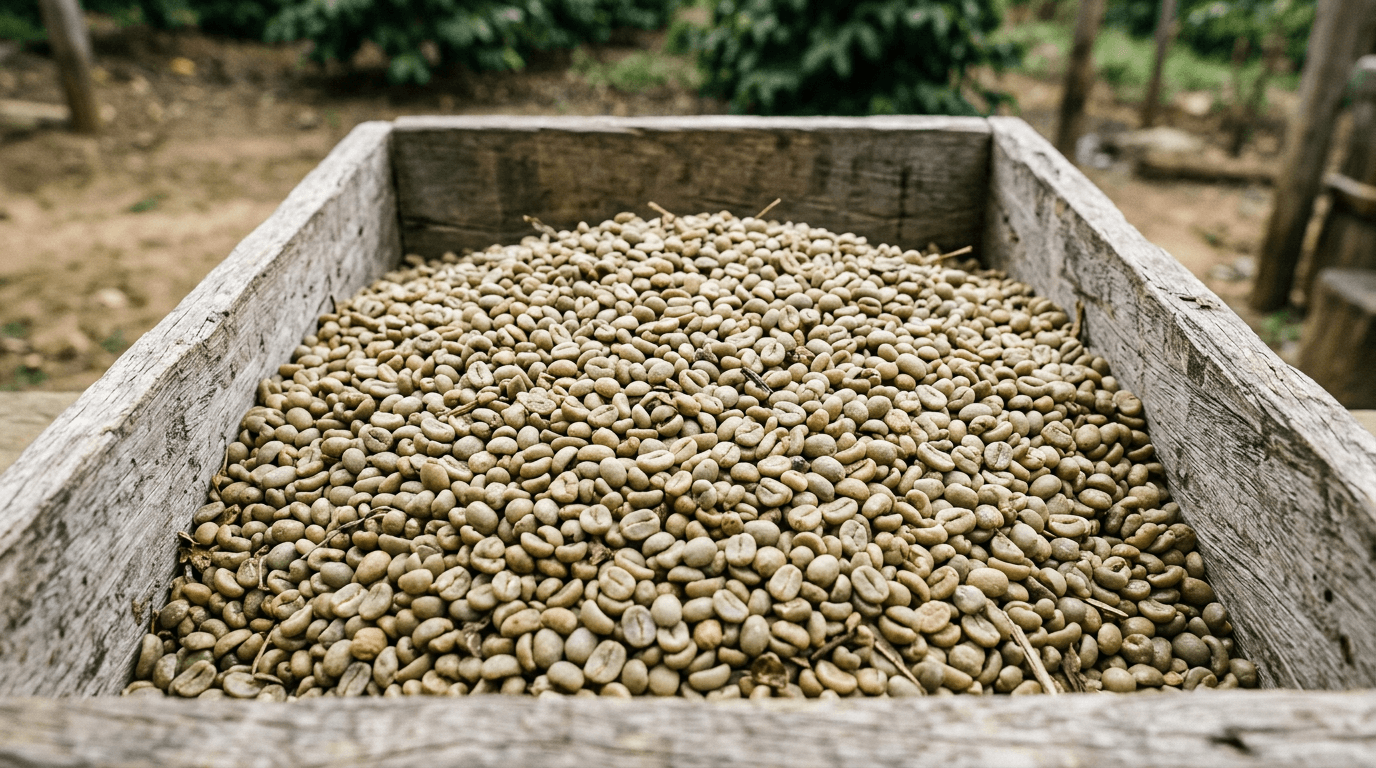 Nestle Coffee Supplier Faces First Brazil Labor Hearing in $1.7M CaseBrazil's largest robusta coffee cooperative, Cooabriel, attended its first labor court hearing on November 16, 2026, over supply chain slavery claims.
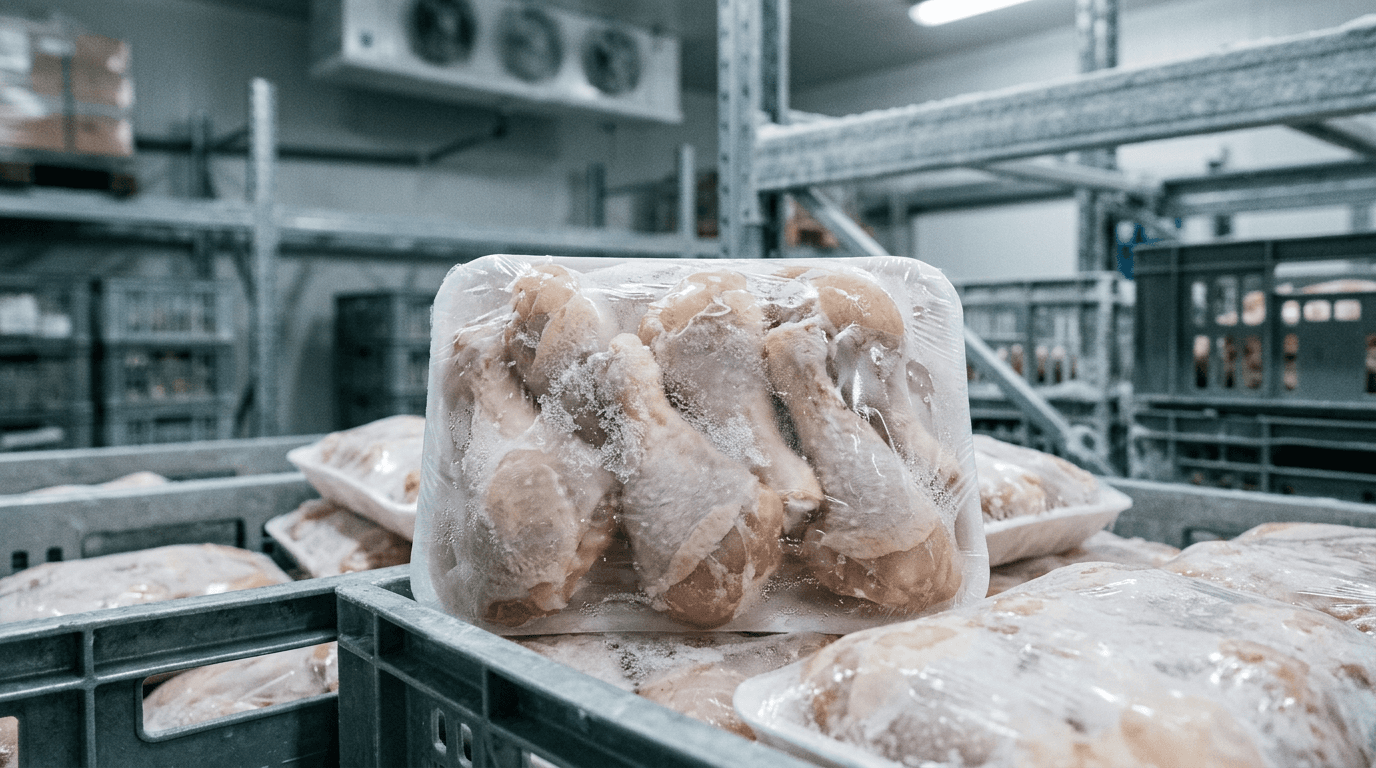 EU Postpones Key Vote on Reopening Market to BRF Poultry ExportersThe European Union delayed a critical vote on lifting its ban on Brazilian poultry, pushing the decision to December and hitting major exporters like BRF S.A.