Brazil Fiscal Risk and Debt Above 80% Cap Real's Recovery
Brazil's public debt-to-GDP ratio has surpassed 80% amid rising government spending, driving up local bond yields and capping the Brazilian Real's recovery.


Brazil's public debt-to-GDP ratio has surpassed 80% amid rising government spending, driving up local bond yields and capping the Brazilian Real's recovery.
Viveo (VVEO3) announced a capital increase of up to R$ 870 million anchored by DNA Capital (Bueno family) to aggressively de-lever its balance sheet.
Brazilian farmers delaying debt restructuring while waiting for the PL 5122 bailout bill face rising default risks, threatening agricultural credit providers.
Brazil's Supreme Court (STF) has formed a majority to ease strict limits on extra-ceiling benefits for judges, adding fresh fiscal pressure.
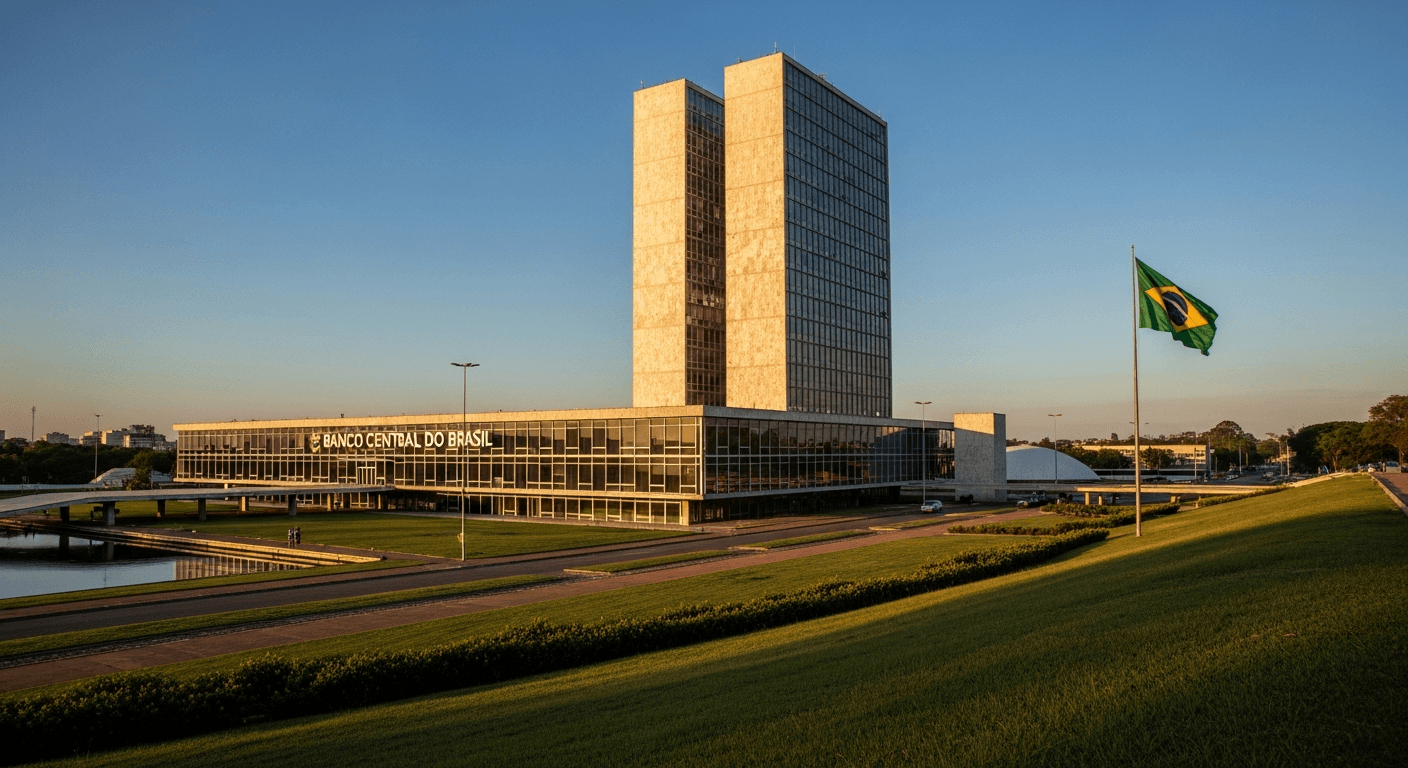
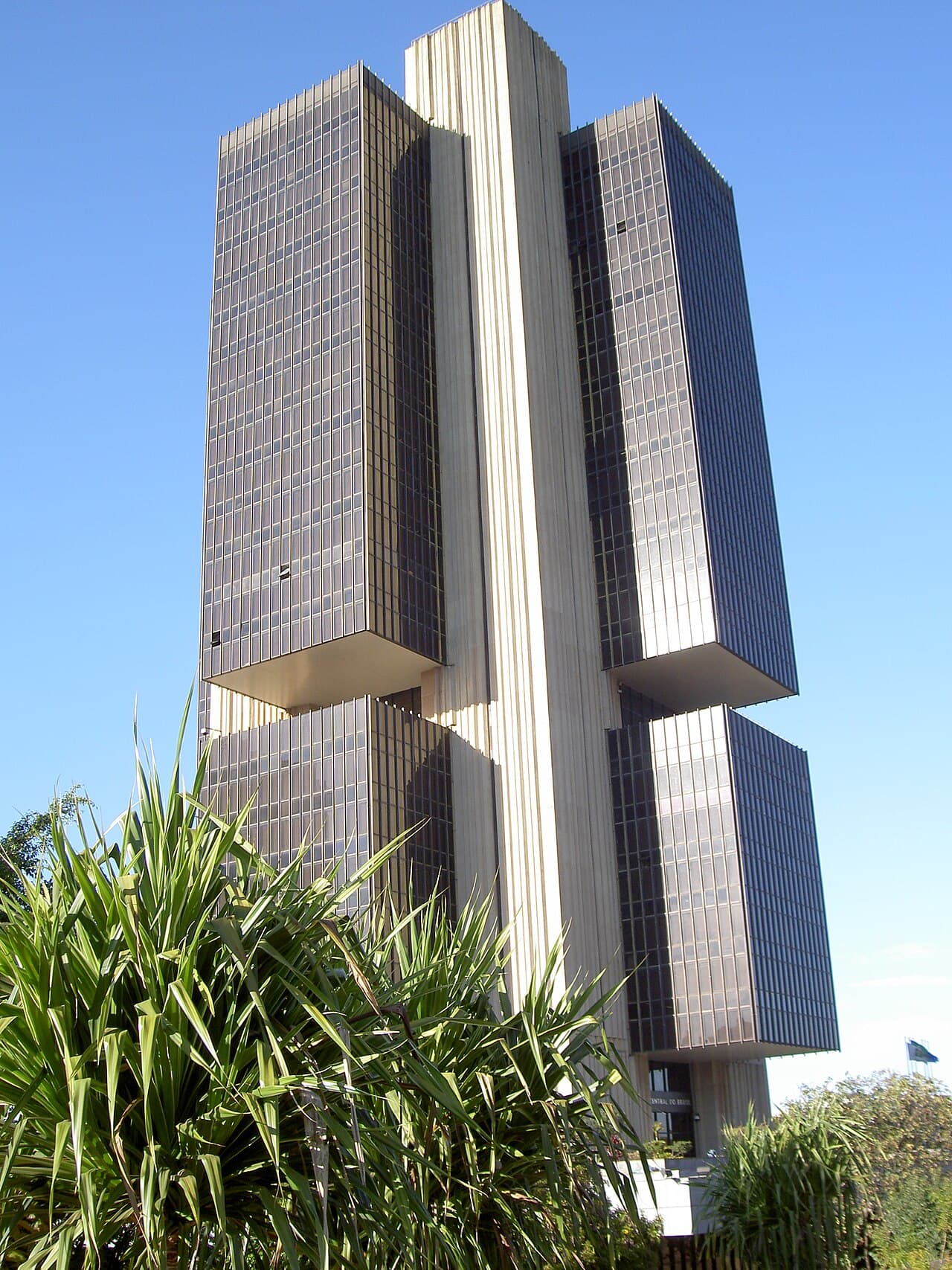
The Central Bank of Brazil's shift toward a 2028 inflation convergence horizon to justify Selic cuts has narrowed the carry-trade yield differential, weakening the Real.
Brazil's Ibovespa index rose 0.76% to close at 173,295.14 as financial sector gains offset declines in major commodity stocks like Petrobras and Vale.
Brazil's Ibovespa index rallied 2.95% in the week ending June 26, 2026, nearing a full June recovery after cooler-than-expected IPCA-15 inflation data.
Brazil's President Lula and Dario Durigan launch a preventive debt-refinancing program for low-income payers, potentially squeezing retail bank spreads.
Brazilian equities face technical ex-dividend adjustments as major B3 firms, including Petrobras and Itaú, prepare to distribute corporate payouts.
Brazil's small-cap index lags the benchmark Ibovespa by over 10%, creating a historic valuation gap driven by foreign capital favoring large-cap equities.
Brazilian physical soy prices rose to R$ 136.00 per saca at major ports, driven by US heatwave concerns, while cautious farmer selling slows local liquidity.
Brazilian healthcare distributor Viveo (VVEO3) launches a capital increase of up to R$ 869.76 million to reduce debt and optimize its capital structure.
The Brazilian National Treasury canceled its scheduled NTN-B inflation-linked bond auction to counter soaring investor yield demands amid fiscal concerns.
Brazil's Embrapa is launching a R$ 2 million digital platform to predict extreme weather risks, aiming to reduce crop insurance losses and protect yields.
Despite a third consecutive Selic rate cut, the Brazilian Real holds steady near 5.17 per USD as a massive 10-percentage-point yield spread defends the currency.
Terra Investimentos maintained its weekly model portfolio unchanged for June 26 to July 3, 2026, keeping equal weightings across five Brazilian equities.
ABcripto opposes classifying stablecoins as electronic money under PL 4.308/2024, warning of market friction and potential exchange delistings.
Conar issues an emergency injunction halting real-time betting ads on CazéTV during World Cup broadcasts, elevating compliance risks for major operators.
Brazil's Focus survey shows analysts raising the end-2026 Selic rate forecast to 14.00% as inflation expectations drift higher, supporting the Real.
Brazil's antitrust regulator Cade has recommended archiving Keeta's complaint against 99Food, easing regulatory risks for Didi's delivery platform.
Brazilian beef exporters scramble to implement private-sector antimicrobial and traceability protocols to protect $1 billion in high-margin EU trade.
A dramatic military escalation between the US and Iran in the Strait of Hormuz has shattered a recent ceasefire, triggering volatility in global oil-linked assets.
Brazilian healthcare distributor Viveo (VVEO3) has approved a private capital increase of up to R$ 869.76 million to reduce leverage and restructure debt.
U.S. retaliatory strikes in Iran following a drone attack on the oil tanker M/T Kiku have heightened geopolitical risks and oil supply concerns.
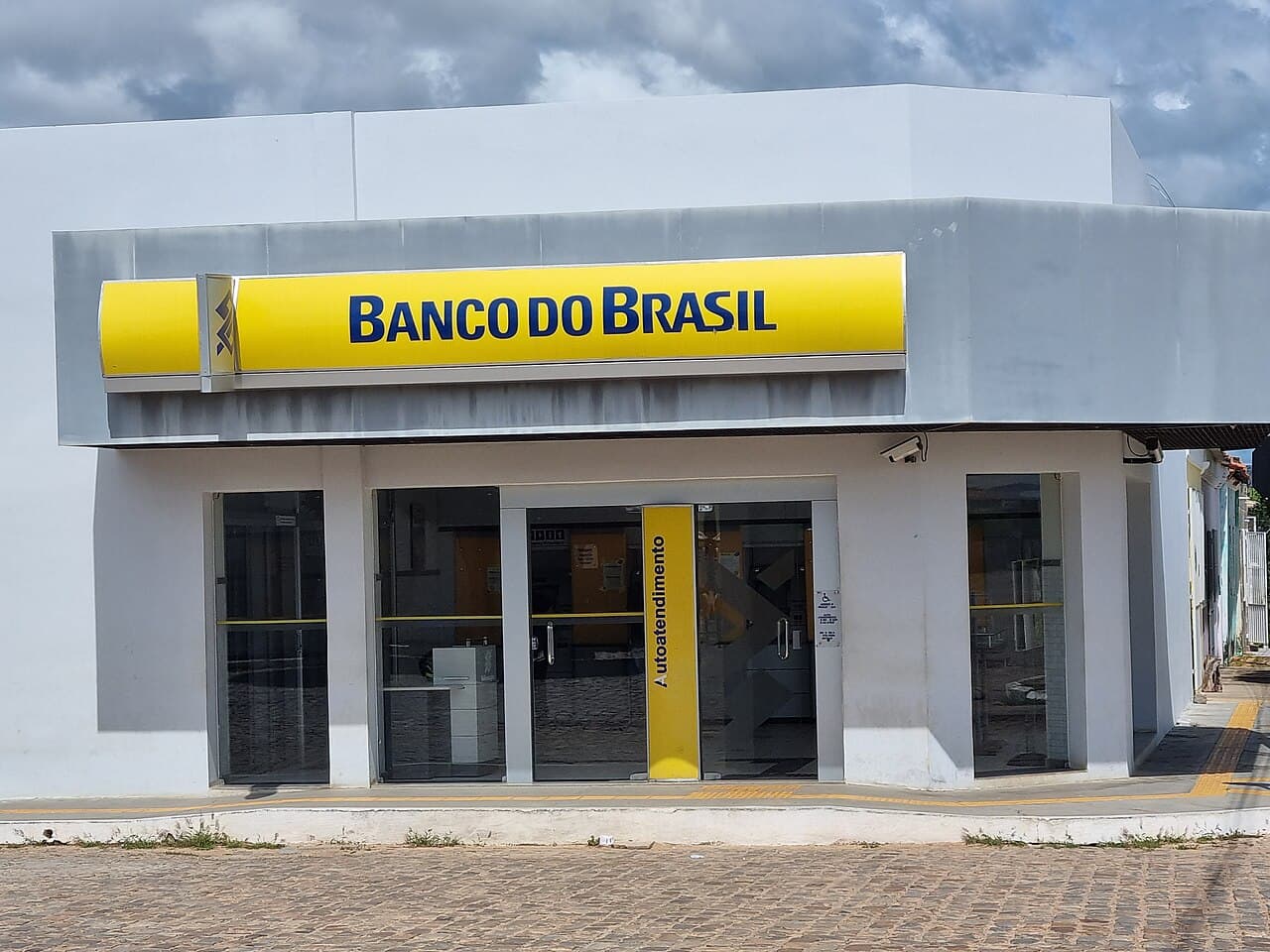
Banco do Brasil (BBAS3) slashes its dividend payout ratio to 30% for 2026 amid rising agricultural defaults, prompting income investors to reallocate capital.
Small-cap stocks are demonstrating significant outperformance year-to-date, driven by a rotation out of technology and into financials and healthcare.
The U.S. Trade Representative has initiated a Section 301 investigation into Germany's pharmaceutical pricing practices, alleging underpayment for innovative drugs and a disproportionate shift of R&D costs to U.S. consumers.
A new executive order aims to integrate fintech innovation into US regulatory frameworks, potentially granting non-bank fintech companies direct access to Federal Reserve payment systems.
Investors withdrew $3.53 billion from US equity funds, driven by concerns over tech valuations, debt, and a hawkish Federal Reserve outlook.
A significant tech sector sell-off this week hit the Nasdaq and S&P 500, while the Dow Jones and broader market indices showed resilience, signaling a market rotation.