
TSE Judgement of Deltan Dallagnol Puts Paraná Senate Seat in Limbo
Brazil's top electoral court is reviewing the eligibility of former Car Wash prosecutor Deltan Dallagnol, threatening to trigger a new Senate election.
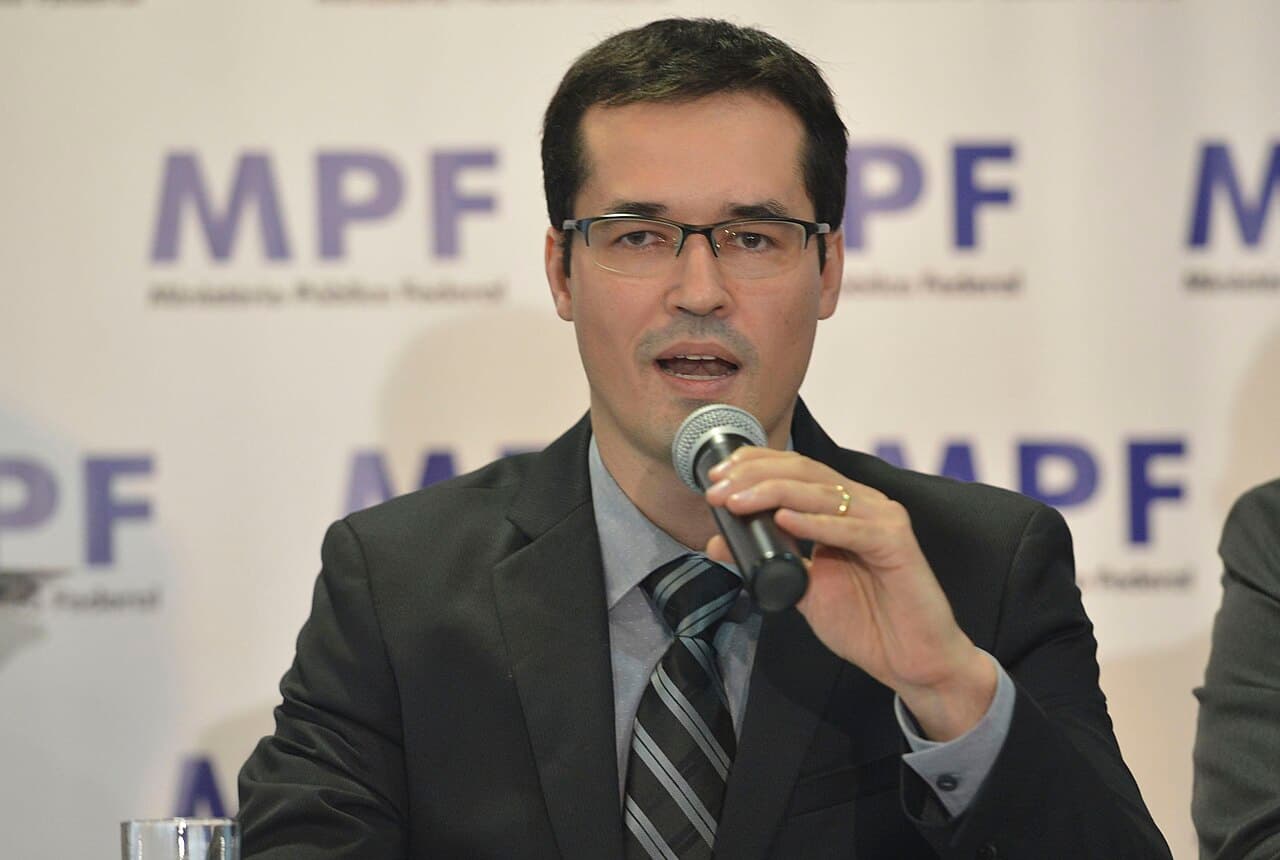
Brazil’s Superior Electoral Court (TSE) is reviewing the eligibility of former federal prosecutor Deltan Dallagnol, a decision that could nullify his performance in the recent brazil election results 2026 and trigger an entirely new special election for a Senate seat in the southern state of Paraná.
Dallagnol, running under the banner of the right-of-center Novo party, secured 2,904,594 votes—representing 25.14% of the valid vote share—to win a seat in the upper house during the first round of voting on October 4, 2026. However, his political future remains suspended in legal limbo. Just before the election, TSE Justice Floriano de Azevedo Marques individually ruled to block Dallagnol's registration, a decision temporarily paused by TSE President Kassio Nunes Marques so the full seven-member collegiate court could decide the matter.
The legal dispute centers on Brazil's strict Clean Slate Law (Lei da Ficha Limpa). Opponents argue that Dallagnol resigned from the Federal Prosecution Service in late 2021 to bypass pending disciplinary investigations that could have eventually barred him from running for public office. Dallagnol rose to national prominence as the lead prosecutor in the "Car Wash" (Lava Jato) anti-corruption probe, which jailed numerous high-profile politicians, including current President Luiz Inácio Lula da Silva, before those convictions were later overturned.
The TSE previously applied this interpretation in 2023 when it stripped Dallagnol of his seat in the Chamber of Deputies, Brazil's lower house. While the Regional Electoral Court of Paraná (TRE-PR) cleared him to run for the Senate this year, citing the subsequent archiving of those administrative proceedings, the federal court in Brasília has the final word on whether that previous eight-year ban remains active.
If the TSE votes to uphold the suspension and reject his registration, Dallagnol's nearly 2.9 million votes will be declared null. Because the vacancy cannot simply be handed to the runner-up under Brazilian electoral rules for majoritarian Senate races, the state of Paraná would be forced to organize and fund an entirely new, separate election to fill the seat.
Dallagnol has publicly defended the legitimacy of his victory, arguing in a social media broadcast that the votes belong to the electorate of Paraná and must be respected by the judiciary. The court's final ruling will serve as a major test of how Brazil's highest electoral authorities balance strict anti-corruption eligibility laws against the democratic choices of millions of voters.