
Flávio Bolsonaro Outlines Plan to End Presidential Re-election
Brazilian presidential frontrunner Flávio Bolsonaro proposes a constitutional amendment to eliminate consecutive executive terms and reform the judiciary.
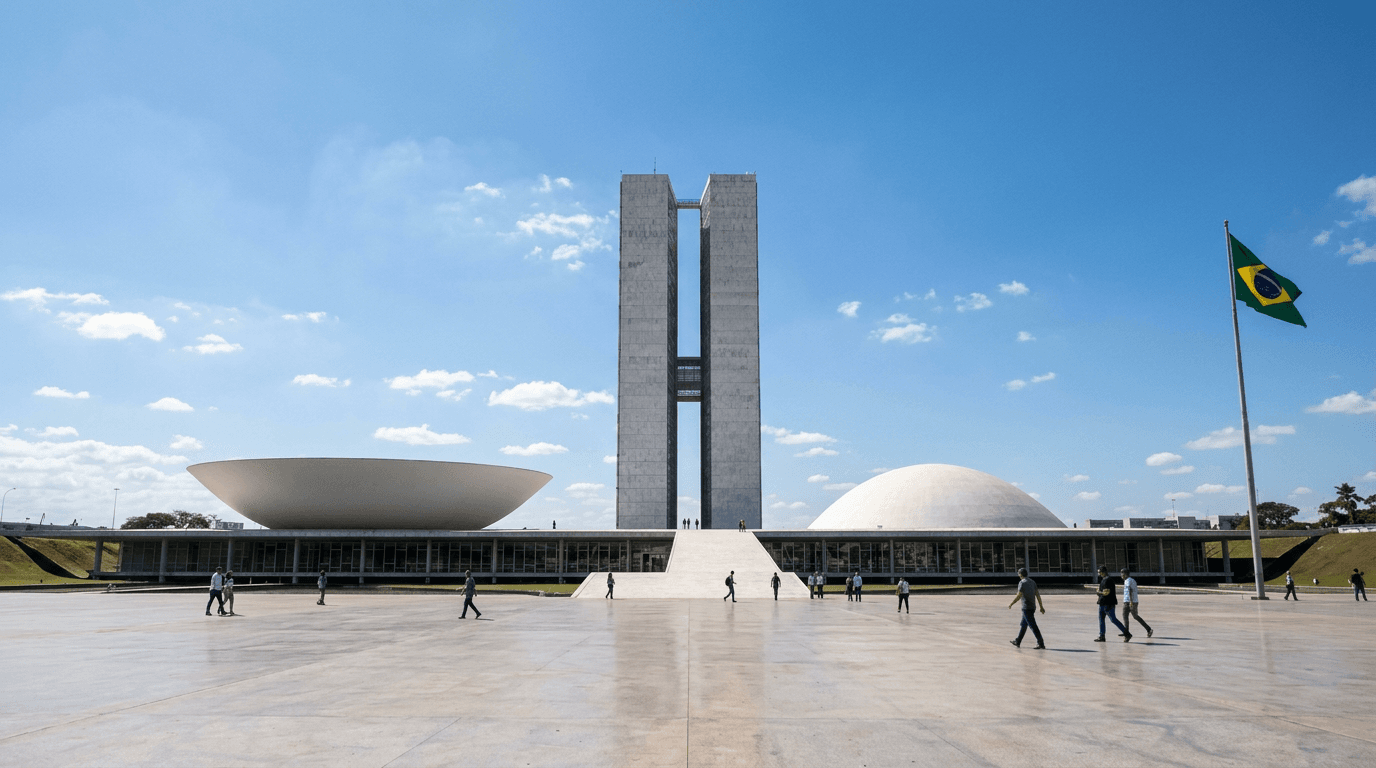
On October 8, 2026, Senator Flávio Bolsonaro, the frontrunner in Brazil’s presidential race, proposed a major constitutional overhaul that would eliminate consecutive re-election for executive offices. Speaking to reporters in Brasília, Bolsonaro stated that if he wins the upcoming second-round runoff on October 25, he intends to immediately leverage his initial political capital to push a Constitutional Amendment (PEC) through Congress. The proposal would apply directly to his own administration, meaning he would not seek a second term in 2030.
The proposed reform leaves open whether the single presidential term would be extended from four to five years, a decision Bolsonaro said he would leave entirely to the newly elected, conservative-leaning Congress. Under Brazil's current political system, presidents, governors, and mayors are permitted to serve two consecutive four-year terms. Bolsonaro’s proposal aims to dismantle this structure, which was first introduced via constitutional amendment in 1997, arguing that a single-term limit would reduce the use of public machinery for campaign purposes and allow leaders to make necessary, long-term decisions without electoral pressure.
Flávio Bolsonaro, the eldest son of former President Jair Bolsonaro, took the lead in the first round of the presidential election, running under the conservative Liberal Party (PL). He is currently facing incumbent President Luiz Inácio Lula da Silva in a highly polarized runoff. Because his father was declared politically ineligible, Flávio has emerged as the standard-bearer for Brazil's conservative movement. By proposing to end consecutive terms, he also signals a potential succession path for other right-wing allies, such as São Paulo Governor Tarcísio de Freitas, who would not have to wait eight years to seek the presidency.
To pass a constitutional amendment in Brazil, the proposal must secure a three-fifths majority in both the Chamber of Deputies and the Federal Senate in two separate rounds of voting. Bolsonaro plans to rely on a heavily conservative legislature, which gained significant ground in the recent elections, to pass the measure along with other sweeping reforms. Beyond the re-election ban, his legislative agenda includes lowering the age of criminal responsibility and enacting structural changes to the federal judiciary, including the Supreme Court.
Critics argue that altering the presidential mandate and targeting the judiciary could destabilize Brazil’s institutional balance. However, Bolsonaro has defended the moves as necessary to "redemocratize" the country and restore respect for the constitution. Whether Congress will support a transition to a five-year single term remains one of the most critical political questions heading into the final weeks of the campaign.