
Brazil Senate invokes privilege to block Supreme Court visitor inquiry
The Senate defended visitor secrecy before the Supreme Court, arguing that releasing logs of high-profile figures threatens legislative independence.
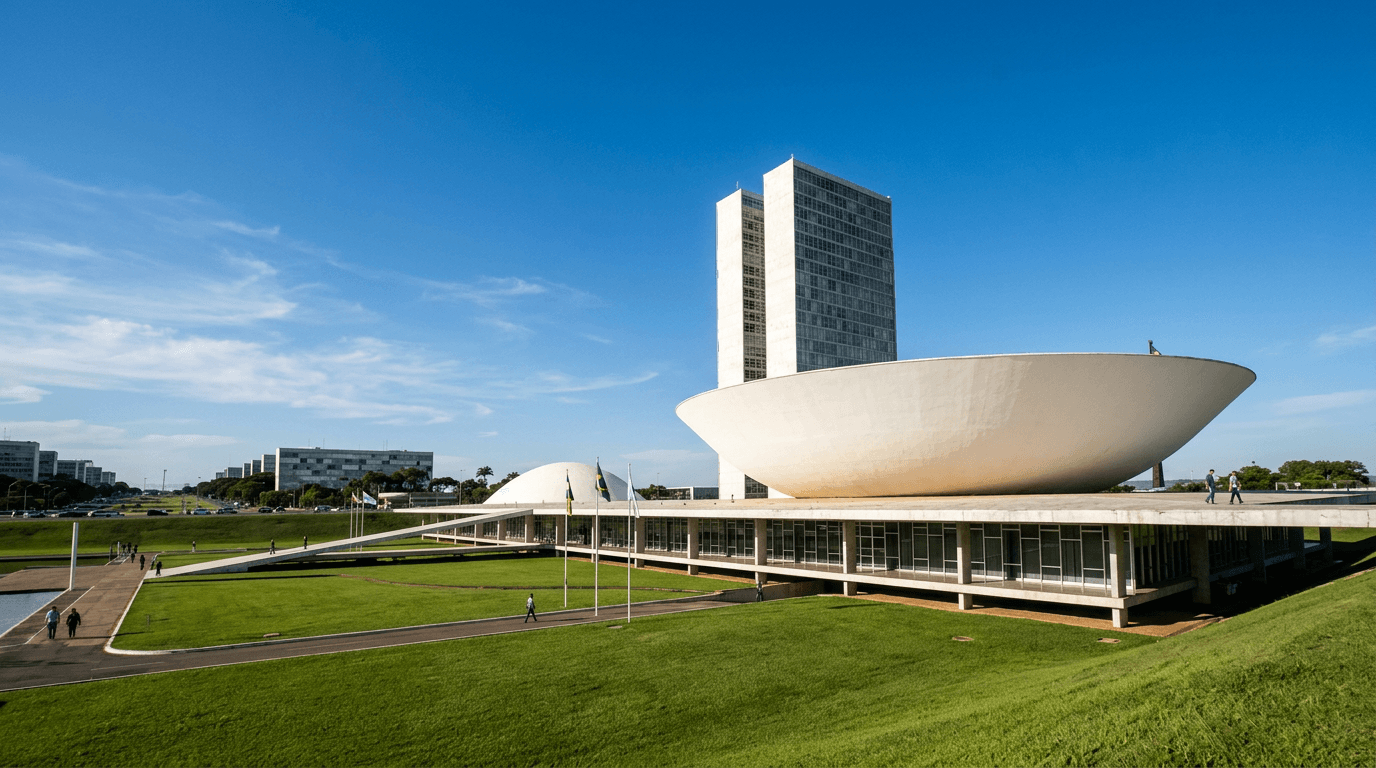
The Brazilian Senate has formally asked the Supreme Court to reject a petition seeking the entry and exit logs of several high-profile individuals, invoking legislative privilege and privacy laws. In a defense submitted to Supreme Court Justice Luiz Fux, the Senate’s legal team argued that releasing indiscriminate visitor logs violates parliamentary secrecy, compromises political interlocutors, and threatens the separation of powers.
The legal battle stems from a petition filed by newly elected federal deputy Guilherme Kilter of the Novo party. Kilter sought the access records of eight individuals dating back to 2019. The high-profile list includes Daniel Vorcaro, the owner of Banco Master; Fábio Luís Lula da Silva, the son of President Luiz Inácio Lula da Silva; and Viviane Barci de Moraes, a lawyer and wife of Supreme Court Justice Alexandre de Moraes.
The clash highlights escalating institutional friction between Congress and the Supreme Court over transparency and legislative independence. Justice Fux had previously given the Senate, led by Senate President Davi Alcolumbre, a 10-day deadline to explain why it had repeatedly denied public access to these logs under the country's Access to Information Law. The case ended up with Fux after Justice Alexandre de Moraes recused himself because the petition directly targeted his wife.
In its response, the Senate's legal counsel argued that the logs are not subject to unrestricted public disclosure. The defense asserted that revealing who visits congressional offices would allow third parties to map out lawmakers' political networks, reconstruct confidential agendas, and expose sensitive political negotiations. The Senate also cited Brazil's General Data Protection Law (LGPD) to justify withholding the personal data of visitors.
Critics argue that the legislature is using privacy laws to shield politically connected figures from public scrutiny, particularly amid ongoing investigations into financial and administrative influence-peddling in Brasília. Proponents of the Senate's stance, however, maintain that protecting the identity of visitors is a vital component of a lawmaker's constitutional right to meet freely with citizens, lobbyists, and advisors without judicial oversight. Justice Fux will now decide whether to uphold the Senate's secrecy claims or order the immediate release of the visitor logs.