
Brazil Election Polls: Lula and Flávio Bolsonaro Face Runoff Test
The first Datafolha poll of the second round will show if Flávio Bolsonaro's surprise lead has built unstoppable momentum or if Lula can stage a comeback.
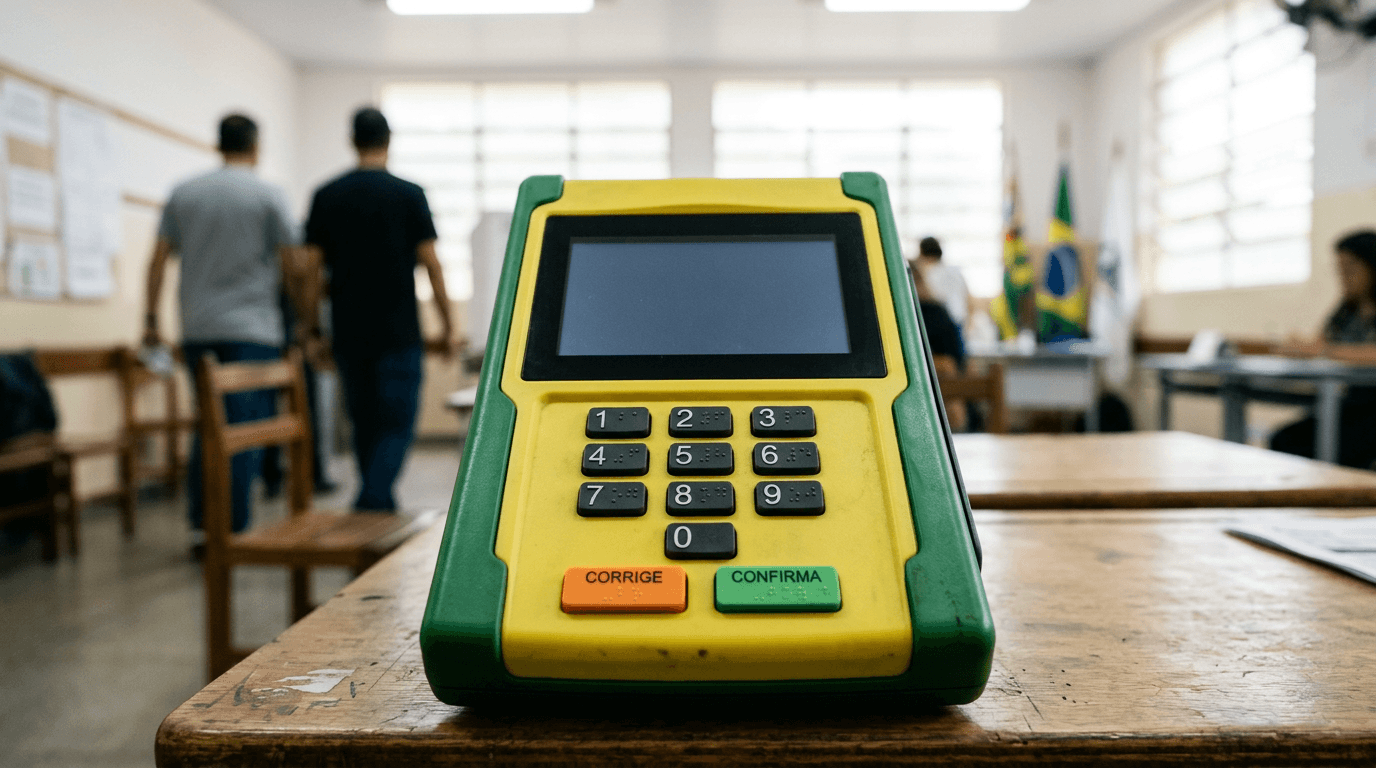
The first highly anticipated poll of the Brazilian presidential runoff is set to be released on Thursday, October 8, providing the first clear picture of how voters are reacting to a dramatic shift in the country's political landscape. The survey, conducted by Brazil's premier polling firm Datafolha, interviewed 2,520 voters across the country between October 6 and October 8. The results will show whether right-wing Senator Flávio Bolsonaro has established an unstoppable lead or if incumbent leftist President Luiz Inácio Lula da Silva can mount a successful comeback before the final vote on October 25.
The runoff became necessary after the first round of voting on October 4 yielded a major surprise. Flávio Bolsonaro—the eldest son of former right-wing President Jair Bolsonaro—defied expectations by finishing in first place with 47.03% of the valid votes. Lula, the veteran leftist leader currently serving his third non-consecutive presidential term, followed closely behind with 45.15%. The outcome shocked observers because the final pre-election Datafolha poll on October 3 had simulated a tight runoff with Lula holding a slight edge at 47% to Flávio's 46%.
The sudden shift in momentum has intensified the polarization that has gripped Latin America's largest democracy for nearly a decade. Flávio Bolsonaro, representing the Liberal Party (PL), has successfully consolidated his father’s conservative base, campaigning heavily on public security, conservative family values, and deep skepticism toward the country's Supreme Court. Meanwhile, Lula’s Workers' Party (PT) is working to build a broad democratic coalition, warning voters that a return of the Bolsonaro family to the presidency poses a direct threat to democratic institutions.
This first post-election survey is critical because it will measure how the 7.79% of voters who chose third-party candidates in the first round are shifting their allegiances. Centrist and moderate right-wing candidates, such as Ronaldo Caiado and Augusto Cury, have left millions of moderate voters up for grabs. Political analysts are watching whether these voters will flock to Flávio Bolsonaro to block Lula’s reelection, or if Lula can successfully appeal to the center to close the gap.
With the official runoff date set for October 25, both campaigns are bracing for an aggressive three-week sprint. The primary risk hanging over the election is whether the losing side will accept the final outcome. Given the extremely narrow margins and the deep-seated distrust between the two political camps, a tight finish increases the likelihood of post-election disputes and institutional friction.
What it touches
The outcome of this highly polarized race directly impacts the iShares MSCI Brazil ETF (EWZ), which tracks the broader Brazilian equity market. A strong showing by Flávio Bolsonaro in the polls typically bolsters state-controlled enterprises and market-friendly sectors, while a Lula resurgence shifts focus toward social spending programs and consumer-discretionary stocks. Continued political volatility and the threat of contested election results are likely to keep pressure on the Brazilian real and local equity indices in the coming weeks.