
Brazil 40 Hour Workweek Amendment Shakes Up Presidential Campaign
A legislative push to abolish Brazil's traditional six-day workweek has emerged as a major electoral flashpoint, splitting conservative alliances.
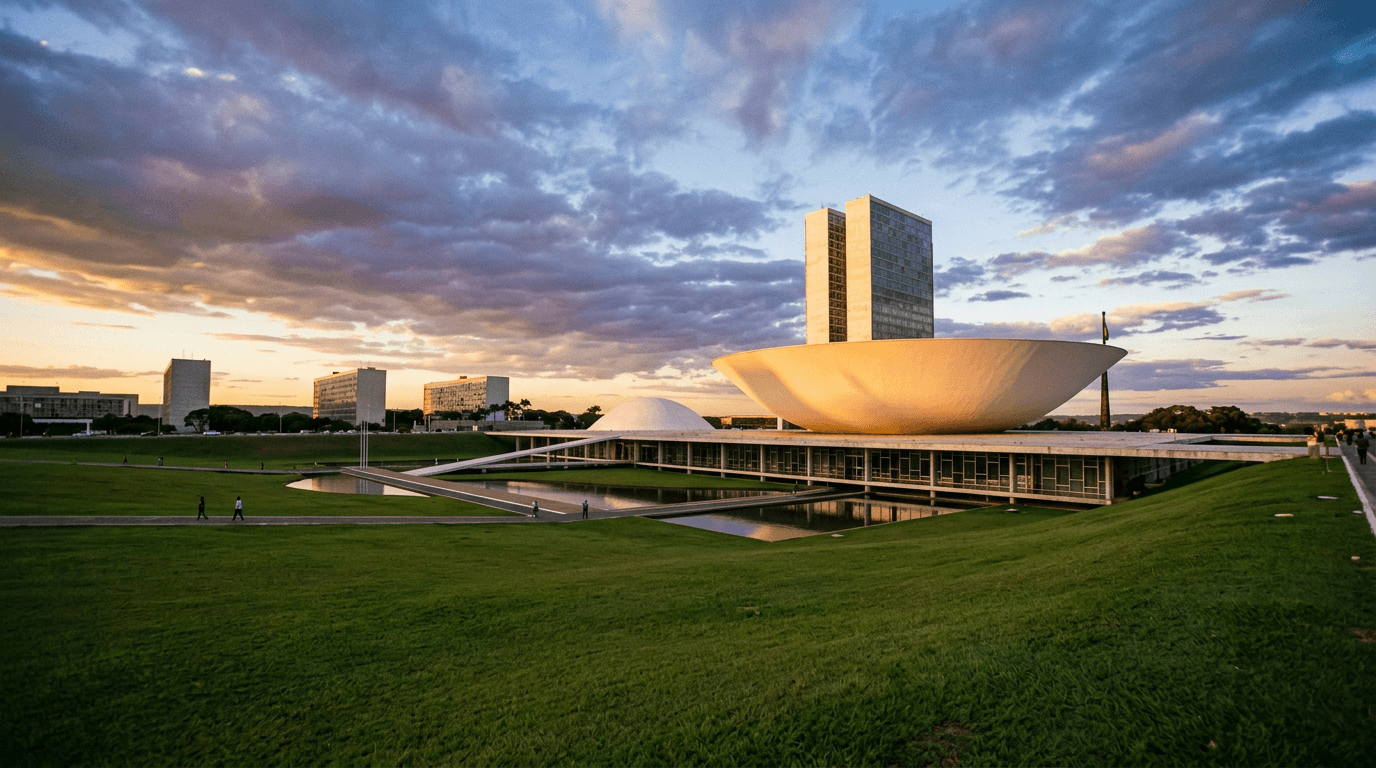
The battle over the traditional Brazilian workweek has moved to the center of the country’s political stage, emerging as a major campaign issue ahead of the presidential runoff election. On October 8, 2026, the Brazilian Senate held its third round of plenary debates on a proposed constitutional amendment (PEC 221/2019) that would end the country's "6x1" work shift—where employees work six days and receive only one day off. The reform aims to establish a mandatory two days of rest per week, effectively implementing a Brazil 40 hour workweek amendment without reducing worker salaries.
The legislative push has forced presidential candidates to navigate populist labor demands against fiscal and business realities. President Luiz Inácio Lula da Silva and his leftist allies are aggressively backing the bill, framing the debate as a fundamental defense of working-class dignity. Lula has seized on the issue to pressure his conservative rival, Senator Flávio Bolsonaro, accusing the opposition of avoiding the vote and neglecting the welfare of nearly 40 million working-class Brazilians who stand to benefit from the change.
The debate has exposed significant cracks in the conservative coalition supporting Flávio Bolsonaro. While the Bolsonaro camp has attempted to delay the vote and advocates for a business-friendly alternative that allows salary reductions alongside shorter hours, some of their key allies are breaking ranks. Newly elected Minas Gerais Governor Cleitinho Azevedo, a prominent conservative senator, officially declared his support for Flávio Bolsonaro's presidential bid on October 8 but publicly split from the campaign's labor stance. Cleitinho insisted that the 6x1 workweek must end and urged the Senate to vote on the amendment immediately.
To pass a constitutional amendment in Brazil, the proposal must secure a three-fifths majority (49 out of 81 senators) in two separate rounds of voting. Government leader Senator Teresa Leitão is currently gathering signatures for a special fast-track calendar to bypass standard procedural delays and force a final vote before the presidential runoff. Meanwhile, opposition leaders continue to lobby for a postponement, warning that a sudden transition to a five-day workweek could fuel inflation and burden small businesses.
What it touches
The proposed shift to a 40-hour workweek directly impacts labor-intensive, publicly traded sectors on the Brazilian stock exchange (B3). Retailers, food processors, and hospitality companies—including major players like Magazine Luiza (MGLU3), Carrefour Brasil (CRFB3), and Sendas Distribuidora (ASAI3)—are highly exposed to potential increases in operational costs and overtime pay if the amendment is approved without salary adjustments.