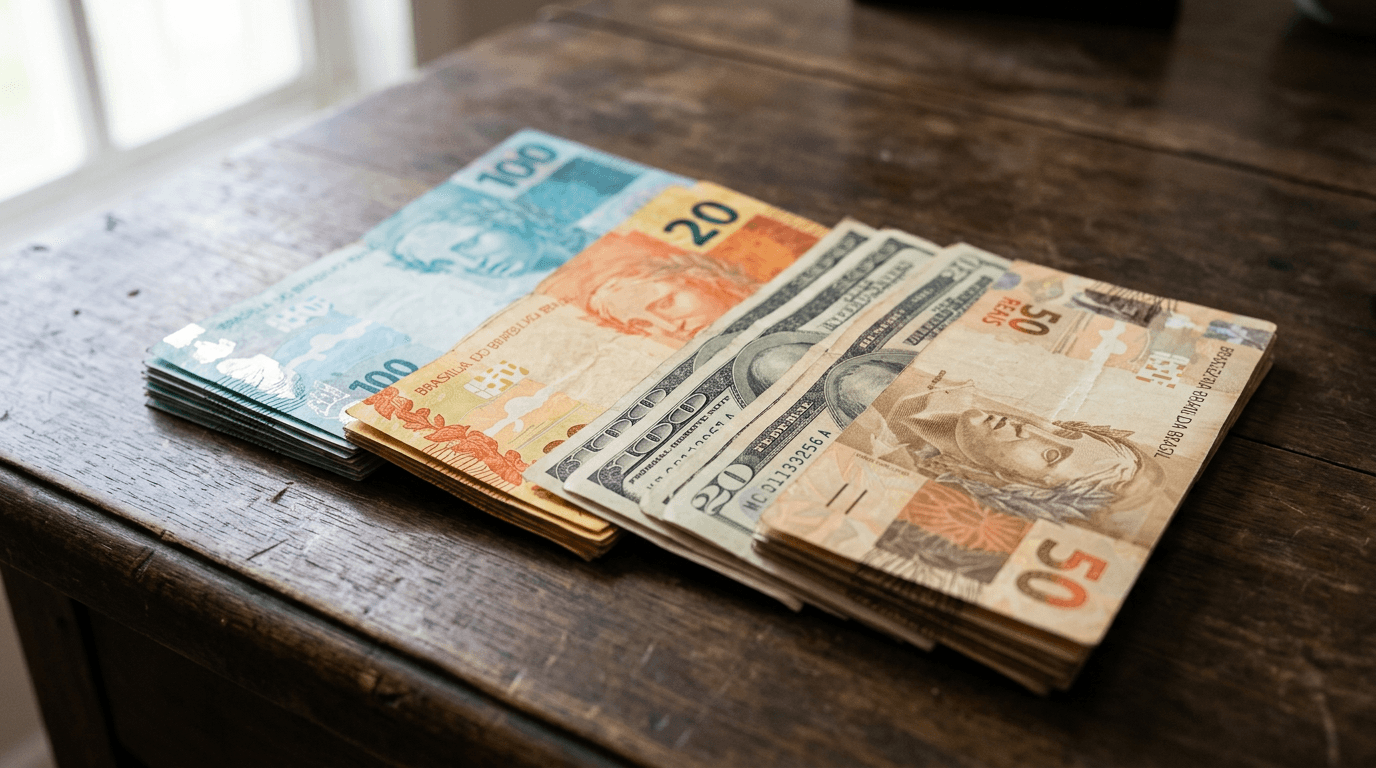
Contactless Payment Change in Brazil Pressures US-Listed Fintechs
The removal of the R$500 contactless limit on Brazil's Pix network threatens traditional credit card volumes processed by US-listed fintechs.
Key takeaways
- Banco Central do Brasil removed the contactless Pix transaction limit of R$500, per central bank regulation on October 1, 2026
- Pix processed 55.2% of all transaction volume in the first half of 2026, per central bank data published on October 27, 2026
- Pix set a daily record of 319.7 million transfers moving R$180.5 billion, per central bank data on November 6, 2026
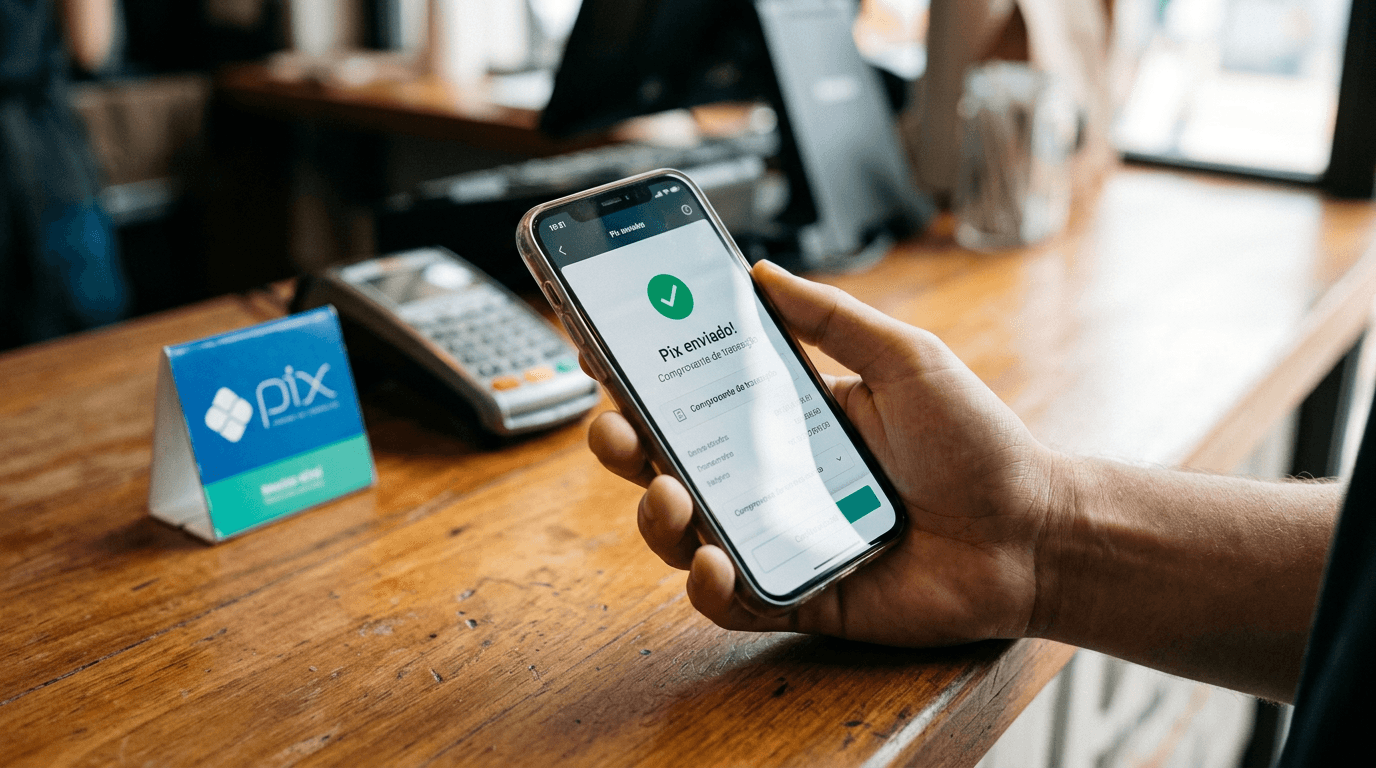
Investors holding shares of New York-listed payment processors like StoneCo Ltd. and PagSeguro Digital Ltd. are facing a direct challenge to their card transaction fees after the Banco Central do Brasil removed the R$500 (~$90) per-transaction ceiling on contactless Pix payments on October 1, 2026. This regulatory shift allows normal account limits to apply to tap-to-pay instant transactions, clearing the path for high-ticket purchases to bypass traditional card networks entirely.
The central bank's instant payment system, known as Pix, has already transformed the local financial landscape since its 2020 launch. According to retail payment data published by the Banco Central do Brasil on October 27, 2026, Pix processed 55.2% of all transaction volume in the country during the first half of 2026. While those transactions represented only 28.1% of the absolute cash value moved in the retail economy during that same period, the elimination of the R$500 limit is expected to rapidly shift high-value purchases away from credit and debit cards to contactless Pix transfers.
Shifting the High-Ticket Transaction Moat
The sheer momentum of the network was highlighted on November 6, 2026, when Pix set an all-time single-day record of 319.7 million transfers, moving R$180.5 billion in 24 hours, according to official central bank statistics. Prior to the October rule change, tap-to-pay transactions in Brazil were dominated by plastic credit and debit cards, which generated profitable interchange fees for merchant acquirers. Now, as consumers can tap their smartphones to make high-value purchases instantly from their bank accounts without card transaction limits, traditional card volumes are highly vulnerable to displacement.
For investors monitoring brazil stocks listed in us, these regulatory adjustments represent a structural headwind for payment service providers. Traditional debit and credit transactions run on interchange-heavy systems that charge merchants higher fees, a portion of which flows back to payment processors. Pix transactions, by contrast, are either free for consumers or carry a fraction of the merchant discount rate of standard credit cards, meaning that as contactless Pix replaces credit cards for mid-to-high ticket items, processed card volumes and take rates could contract.
What to watch next is how aggressively major Brazilian banks and card acquirers integrate the contactless Pix features into their merchant software. The central bank's next major updates to the network are scheduled for 2027, with the rollout of hybrid billing on February 1, 2027, and recurring payroll payments (Pix Automático) on July 1, 2027, both of which will continue to chip away at the traditional credit card moat.
In your brokerage app
American retail investors can track this digital payment transition through US-listed Latin American fintechs. StoneCo Ltd. and PagSeguro Digital Ltd. (operating as PagBank) are both listed in New York, and they are major holdings in regional ETFs such as the iShares MSCI Brazil ETF, which is a popular brazil stocks etf exposing investors directly to the shifting competitive landscape of Brazil's retail financial sector.
Analysis · NWX analysis desk
Which Brazil assets this touches
- STNE, PAGS, MELI, NU, EWZ, USDBRL — Named in this story.
Technical picture · StoneCo (STNE)
StoneCo (STNE) closed at $7.15 on Nov 20, 2026, down 9.7% from five sessions earlier. The last close is below its 20-day average of $7.70 and below its 50-day average of $9.43. Since May 19, 2026 it has traded between $7.15 (low, Nov 20, 2026) and $12.46 (high, Oct 9, 2026).
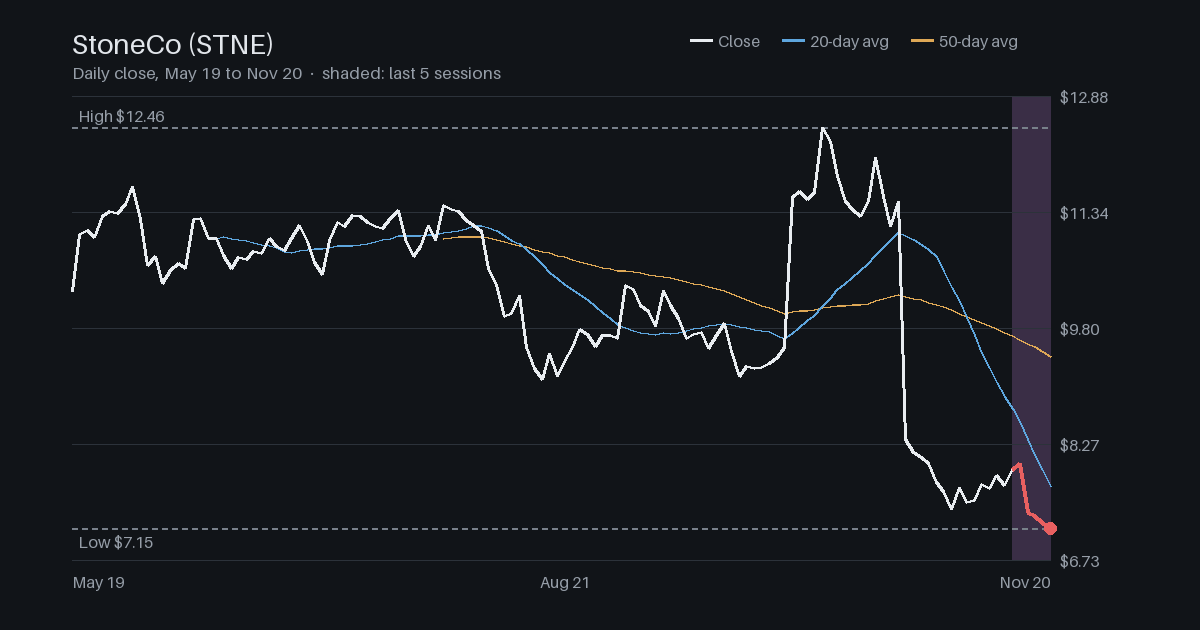
| Last close | $7.15 | Closing price on Nov 20, 2026. |
|---|---|---|
| 5-session move | -9.7% | Change in the closing price over the last five trading days. |
| 20-day average | $7.70 | The average closing price of the last 20 trading days. |
| 50-day average | $9.43 | The average closing price of the last 50 trading days. |
| Period high | $12.46 | Highest price since May 19, 2026. |
| Period low | $7.15 | Lowest price since May 19, 2026. |