

Newly Elected Brazilian Governors Target R$ 23 Billion in Concessions
Following the October 4 elections, newly elected state governors in Brazil are targeting major private utility and highway contracts for review or cancellation.
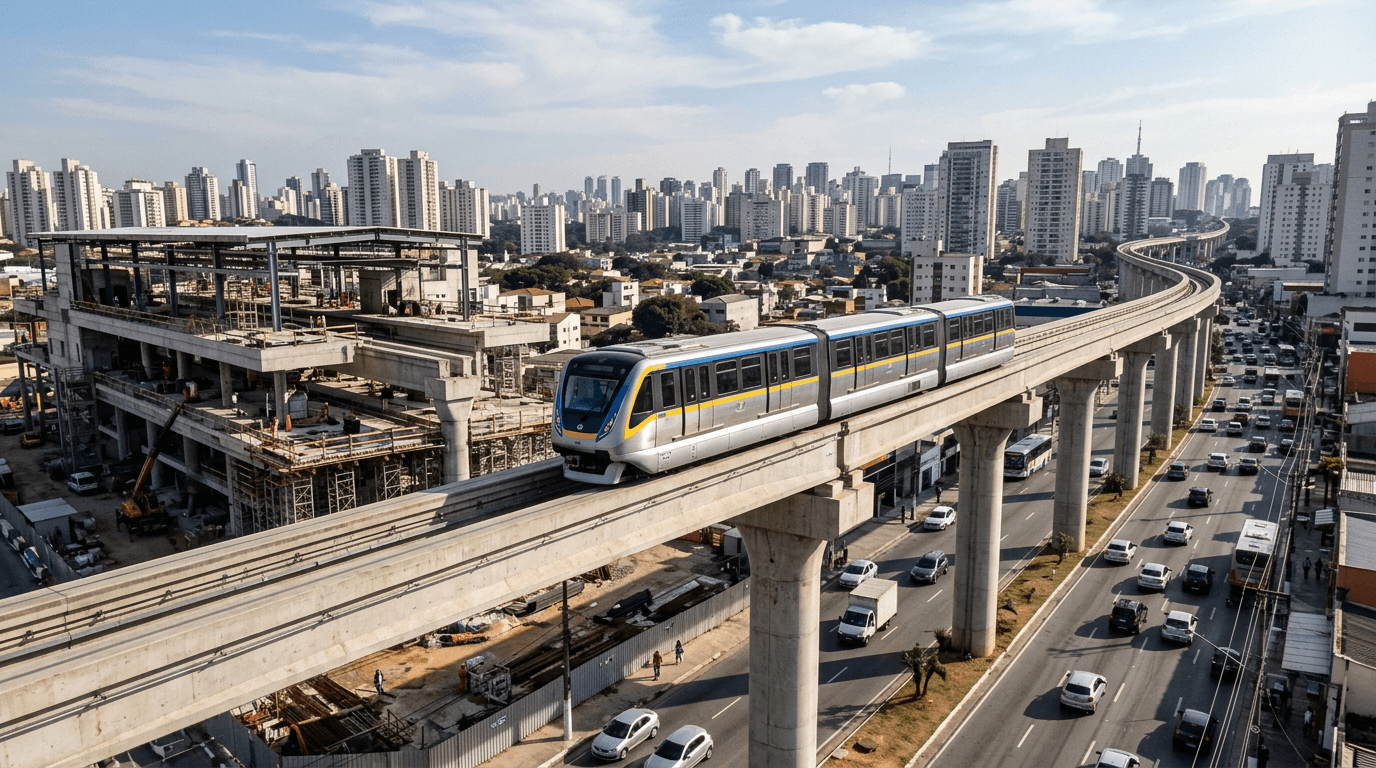
A wave of newly elected state governors in Brazil is moving to audit, renegotiate, or cancel major utility and highway contracts, raising regulatory risks for private infrastructure operators. Following the first-round gubernatorial elections on October 4, 2026, incoming state leaders have targeted at least R$ 23 billion ($4.2 billion) in active infrastructure contracts for revision or termination, according to a report by NeoFeed.
The most prominent clash is unfolding in the northern state of Pará, a massive, resource-rich region in the Amazon basin. The newly elected governor, Dr. Daniel Santos, announced immediately after his victory that he plans to break the state's water and sewage utility contract with Águas do Pará. The concession, controlled by private sanitation giant Aegea, was structured to bring R$ 19 billion in investments over 40 years to 126 municipalities, transitioning services away from the state-owned utility Cosanpa. Santos campaigned on a promise to halt the private concession and reinvest in the state-run company instead.
Other states are quickly following suit, reflecting a broader political shift where incoming leaders use popular frustration with utility rates and service quality to challenge existing contracts. In the southeastern state of Minas Gerais, newly elected governor Cleitinho Azevedo plans to review highway toll contracts. Meanwhile, in São Paulo, the state administration is considering stripping operator ViaMobilidade of its concession for the Line 17-Gold monorail project due to persistent execution delays.
This post-election push highlights the persistent regulatory risks facing private infrastructure operators in Brazil. While federal laws protect concession contracts, local political transitions frequently trigger costly legal battles, renegotiations, or delays in planned investments. For foreign and domestic operators alike, the sudden targeting of long-term contracts serves as a reminder of how quickly the regulatory environment can shift after a change in state leadership.
What it touches
The political pushback directly exposes private infrastructure operators and concessionaires to contract renegotiation and legal disputes. Most notably, private sanitation leader Aegea—which is preparing for a potential initial public offering—faces immediate headwinds in Pará, while CCR and its subsidiary ViaMobilidade face scrutiny over transport concessions in São Paulo. This heightened regulatory uncertainty could weigh on broader investor sentiment regarding Brazilian infrastructure assets and future state-level privatization auctions.
Related coverage
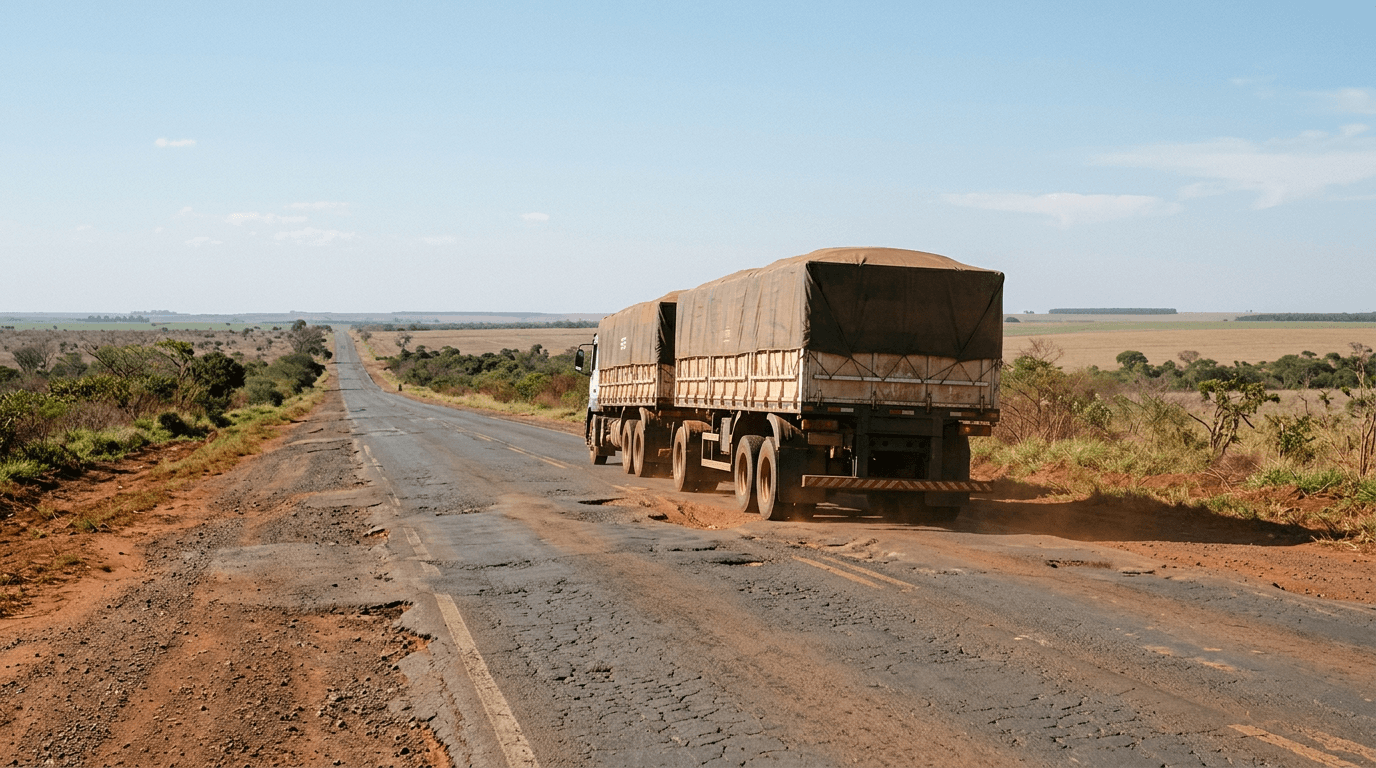 Hidden Corporate Overhead in Brazil Reaches R$3.5 Trillion, Study FindsA new study by Movimento Brasil Competitivo and Monitor Deloitte pegs Brazil's systemic business overhead at 27.5% of GDP, driven by massive logistics deficits.
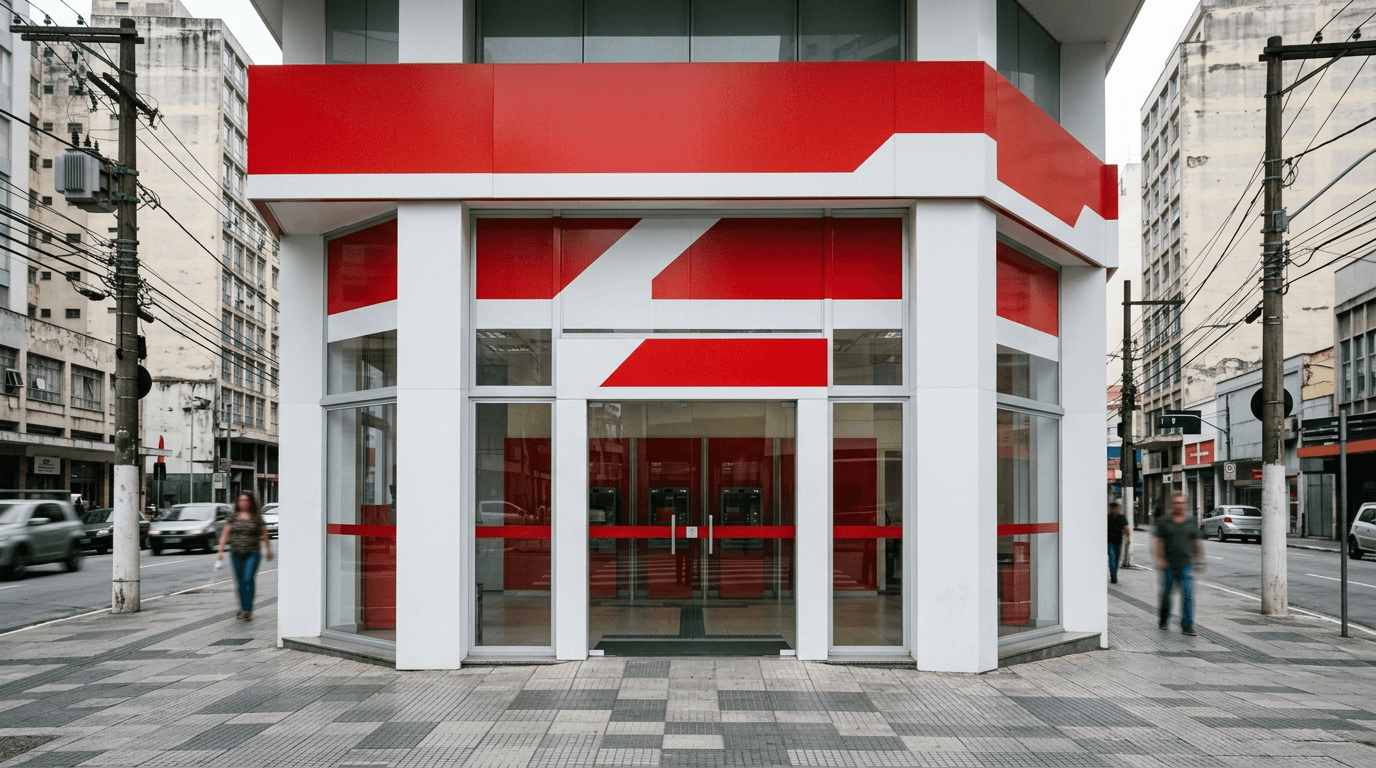 Bradesco Flags 2027 Economic Slowdown, Vows Strict Loan PrudenceBanco Bradesco CEO Marcelo Noronha has warned of credit prudence over riskier expansion due to high consumer debt and a projected 0.4% GDP growth rate for Brazil in 2027.
 XP Slashes Banco do Brasil Target to R$ 15 on Crop DefaultsXP Investimentos has cut Banco do Brasil's price target to R$ 15 following a crop-credit crisis that forced a massive dividend reduction and profit guidance cut.