
Lula vs. Flávio Bolsonaro: What is at stake for Brazil-US trade
Brazil’s tight presidential runoff on October 25 will reshape trade with Washington, impacting critical minerals negotiations and regional security alliances.
Brazil is heading toward a highly polarized presidential runoff on October 25, 2026, after first-round voting on October 4 delivered a razor-thin margin between the two leading candidates. Senator Flávio Bolsonaro, representing the conservative Liberal Party (PL), led the first round with 47.03% of the vote, while incumbent leftist President Luiz Inácio Lula da Silva of the Workers' Party (PT) secured 45.16%. The outcome of this tight race will fundamentally reshape Brazil's trade relationship with Washington, particularly regarding critical minerals, US tariffs, and regional security alliances.
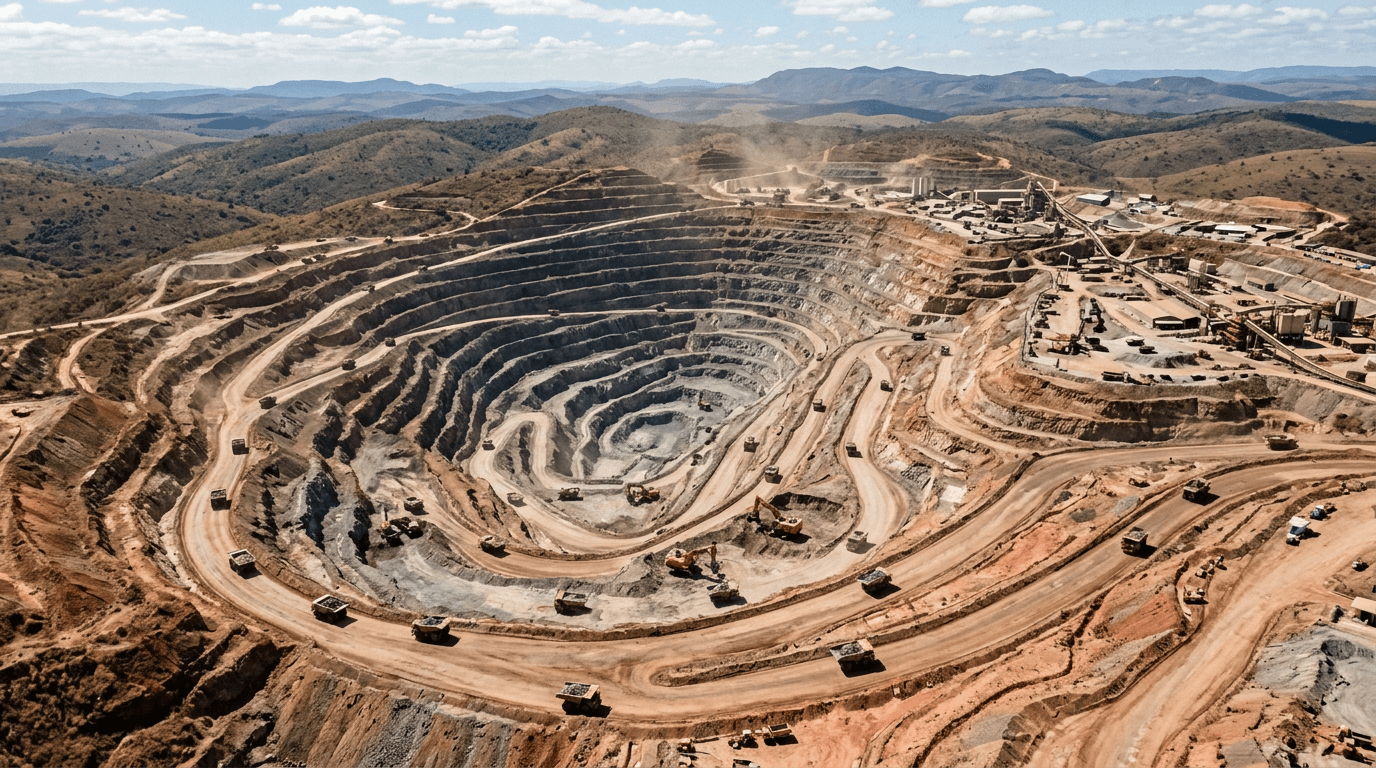
At the center of the bilateral economic relationship is a joint working group formed in September 2026. The group was established to negotiate US tariffs imposed on Brazilian products and to secure Washington's access to Brazil's vast reserves of critical minerals and rare earths. As the US government actively seeks to reduce its supply-chain reliance on China for raw materials essential to high-tech manufacturing and green energy, Brazil has emerged as a key strategic partner. However, the two presidential candidates offer drastically different visions for how to manage these strategic resources and broader foreign policy.
Flávio Bolsonaro, the son of former President Jair Bolsonaro, has aligned himself closely with US President Donald Trump. During the campaign, the senator proposed that Brazil join the US-led "Shield of the Americas" security coalition and suggested blocking non-Western payment systems within the country. His platform emphasizes a tight alignment with Washington's geopolitical goals. Under a Flávio Bolsonaro administration, negotiations over critical minerals would likely be fast-tracked in exchange for tariff relief and security integration.
In contrast, President Lula has championed a nationalist, multilateral approach that prioritizes ties with the Global South. Lula's administration has focused on preserving Brazilian sovereignty over its natural resources, resisting what his allies characterize as unequal trade terms with Washington. While Lula has engaged with the US on critical minerals, his foreign policy remains committed to balancing relations between Washington and Beijing, Brazil's largest overall trading partner, while strengthening ties within the BRICS bloc.
The runoff on October 25 will decide which of these competing strategies will govern Latin America's largest economy. A victory for Flávio Bolsonaro would likely pivot Brazil toward a deep, Western-centric security and economic partnership. A victory for Lula would maintain a balanced diplomatic stance, leveraging Brazil's mineral wealth to secure domestic industrialization rather than simple resource extraction.
What it touches
The election outcome directly impacts multinational mining companies operating in Brazil, particularly those extracting lithium, nickel, and rare earth elements. A Flávio Bolsonaro victory is expected to accelerate bilateral mining agreements with US firms, while a Lula victory would likely bring stricter regulatory oversight and local-processing requirements for critical mineral exports.