

GPA Out-of-Court Restructuring Approved, but R$ 15 Billion Tax Ghost Looms
São Paulo courts approved GPA’s out-of-court debt restructuring, halving its financial debt, but the retail giant still faces massive legacy liabilities.
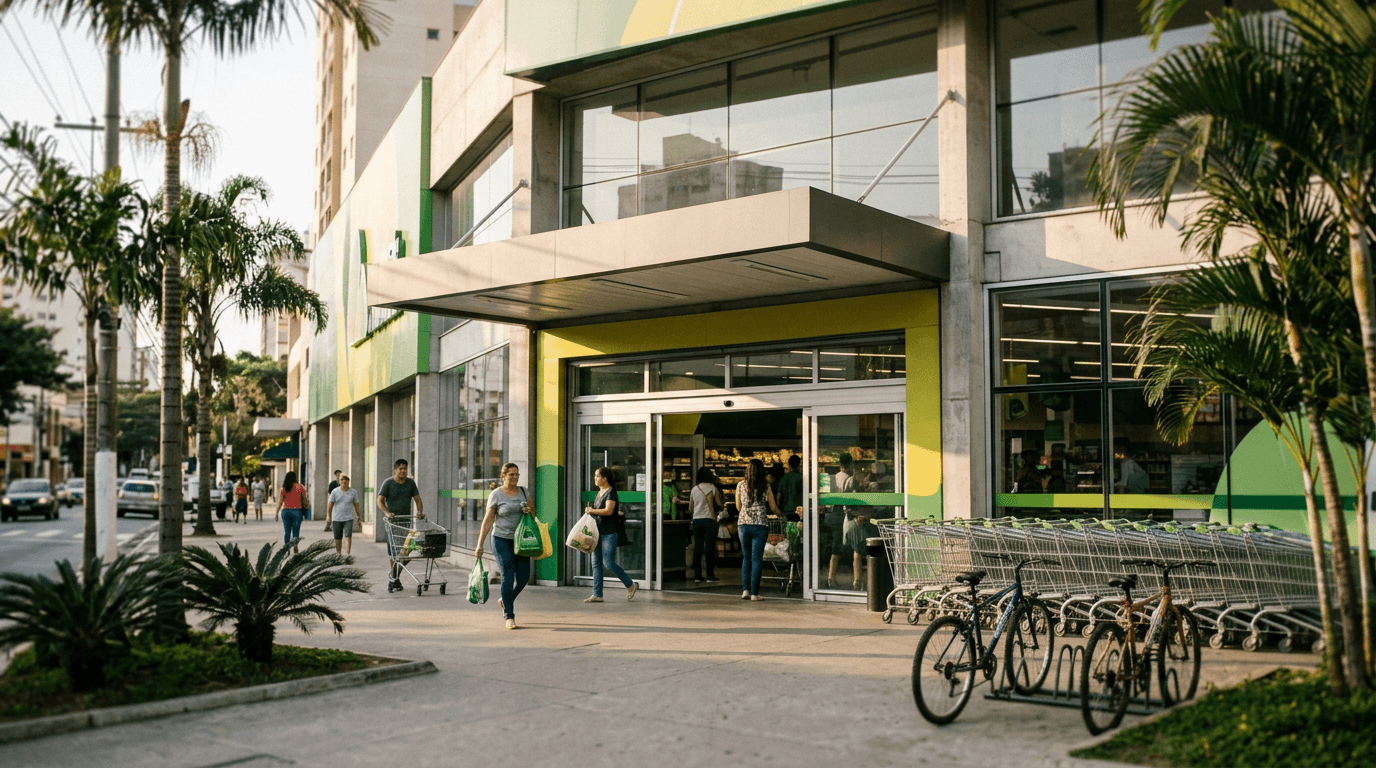
The 3rd Bankruptcy Court of São Paulo officially approved the out-of-court restructuring plan of Companhia Brasileira de Distribuição, widely known as GPA. The court decision, handed down by Judge Larissa Gaspar Tunala on October 7, 2026, validates the restructuring of R$ 4.568 billion ($815 million) in non-current unsecured liabilities. The approval brings much-needed relief to one of Brazil's most prominent retail giants, which operates the premium supermarket chain Pão de Açúcar.
The court-approved plan, which secured the formal agreement of 57.49% of affected creditors, allows GPA to cut its short-term cash pressure and stretch its repayment timeline through 2036. The agreement halves the company's financial debt, converting R$ 1.1 billion into equity and securing R$ 200 million in fresh capital. Crucially, the restructuring excludes daily operating liabilities like rent, employee payrolls, and direct supplier relationships, allowing the company’s supermarkets to continue operating normally.
Despite this successful financial reorganization, GPA's leadership warns that the road to full recovery remains long. In an interview with NeoFeed, GPA's CEO Alexandre Santoro emphasized that the company still faces a massive R$ 15 billion ($2.7 billion) legacy tax and labor liability inherited from past operations. These structural liabilities, which stem from previous corporate structures and tax disputes, will require extensive negotiations to resolve.
To preserve cash in an environment of persistent double-digit interest rates, GPA is scaling back its capital expenditure. The retailer plans to limit capital spending to approximately R$ 300 million in 2026 and 2027, a sharp decline from the over R$ 700 million spent annually in previous years. CEO Alexandre Santoro noted that the company must maintain strict fiscal discipline, as Brazil's high benchmark Selic rate is projected to hover around 11% into 2027, continuing to pressure consumer demand and corporate borrowing costs.
What it touches
The successful court approval directly impacts GPA's traded common shares on the Brazilian exchange B3 under the ticker PCAR3, which surged over 8% following the announcement. The restructuring also influences the broader Brazilian retail sector, which has been highly sensitive to high interest rates and legacy debt burdens. While the agreement provides immediate breathing room for GPA, the company's long-term stock performance remains exposed to how successfully management can resolve its R$ 15 billion legacy tax dispute and adapt its physical logistics network to a smaller corporate footprint.
Related coverage
 Dollar Breaches 6.00 Reais as Lula Pulls Minister for Fiscal VoteThe U.S. dollar briefly crossed 6.00 Brazilian reais as President Lula temporarily dismissed a minister to secure a vote on a 56 billion-real fiscal package.
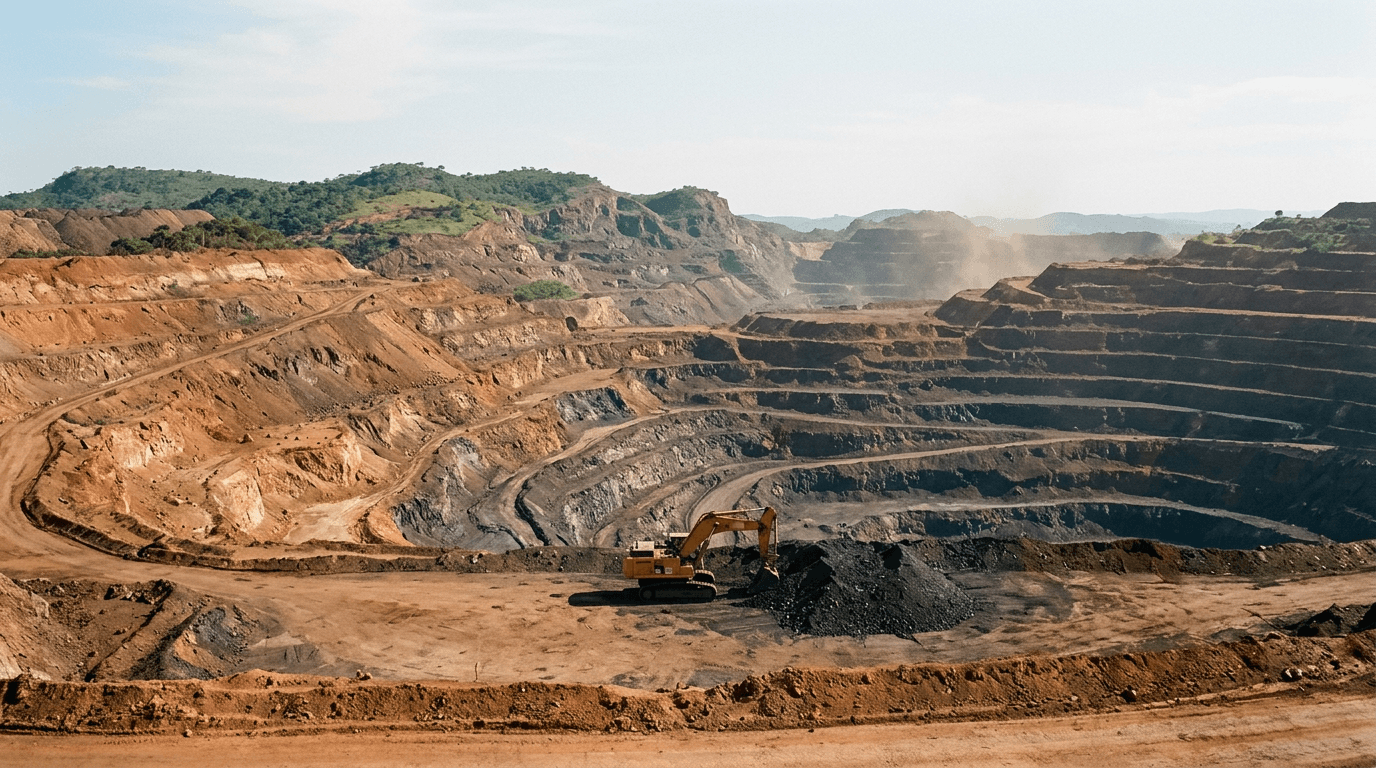 Vale Restarts Viga Iron Ore Mine After 10-Month ShutdownVale S.A. obtains judicial and federal approval to partially resume iron ore operations at its Viga mine in Minas Gerais, idle since January.
 US Soybean Speculators Hold Large Net-Long Position on CBOTWeekly CFTC data shows non-commercial traders held a net-long position of 145,816 soybean contracts as of November 17, 2026, amid strong Brazilian planting.