

Brazil China trade: How a top poultry buyer became a global rival
China is rapidly scaling up domestic chicken production and surging into global export markets, shifting its role from Brazil's top buyer to a fierce competitor.
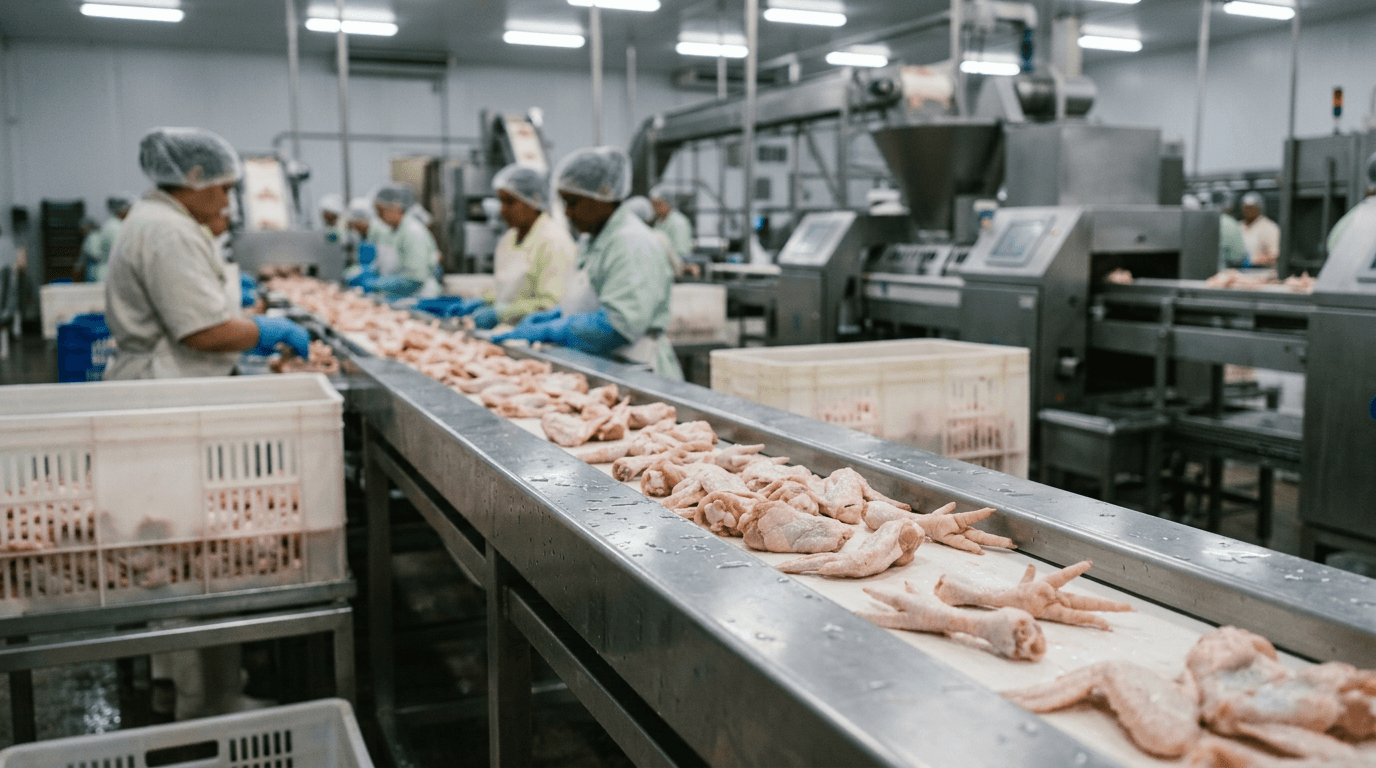
China is rapidly transforming from Brazil’s most lucrative poultry customer into one of its most formidable global competitors. As the world's largest exporter of chicken, Brazil has long relied on Chinese appetite to fuel its massive agricultural sector. However, a domestic production boom in China is beginning to redraw the map of the global meat trade, forcing Brazilian producers to prepare for a new era of direct competition.
According to data from the agricultural research firm Rabobank, Chinese poultry production grew by over 9% in the first half of 2026, building on a 7% expansion in 2025. This rapid domestic scaling has outpaced China's internal demand, creating a substantial surplus. Consequently, Chinese poultry exports surged 51% year-on-year to 546,000 tons between January and May 2026, according to the U.S. Department of Agriculture (USDA). This aggressive expansion into international markets directly challenges Brazil's historical dominance in regions like Asia and the Middle East.
Despite this shift, the bilateral brazil china trade relationship remains deeply cooperative due to highly complementary consumer preferences. While China is exporting its surplus of chicken breasts—a cut less popular among its domestic consumers—it continues to import massive volumes of wings and feet from Brazil. From January to September 2026, China imported 420.4 thousand tons of Brazilian chicken worth $1.15 billion, remaining a vital pillar for Brazilian agribusiness even as it steps onto the global stage as a rival exporter.
A delicate geopolitical balance
For Brazilian President Luiz Inácio Lula da Silva, navigating this transition is as much a political challenge as an economic one. The Brazilian agricultural lobby, represented by powerful industry groups like the Brazilian Association of Animal Protein (ABPA), has historically pushed for balanced diplomatic relations to protect access to both Eastern and Western markets. As China aggressively scales up its own food security initiatives to reduce import dependence, Brazil is actively seeking to diversify its export destinations to cushion any potential drop in Chinese demand.
The rise of China as an export competitor also lands amid broader discussions about global trade routes and supply chain security. Brazilian exporters are closely watching how Chinese trade policy evolves, particularly as Beijing uses its expanding agricultural footprint to strengthen ties across developing markets. For now, the sheer scale of Brazil's efficient, disease-free production keeps it ahead, but the margin of safety is narrowing.
What it touches
The shifting dynamics in the global poultry market directly expose Brazil's largest publicly traded meatpackers, notably JBS (NYSE: JBS / B3: JBSS3) and BRF (B3: BRFS3). While these companies benefit from the ongoing Chinese demand for specialty cuts, they face increased pricing pressure in third-party markets where Chinese chicken breast exports are now competing. Their ability to maintain profit margins will depend heavily on market diversification and managing grain feed costs at home.
Related coverage
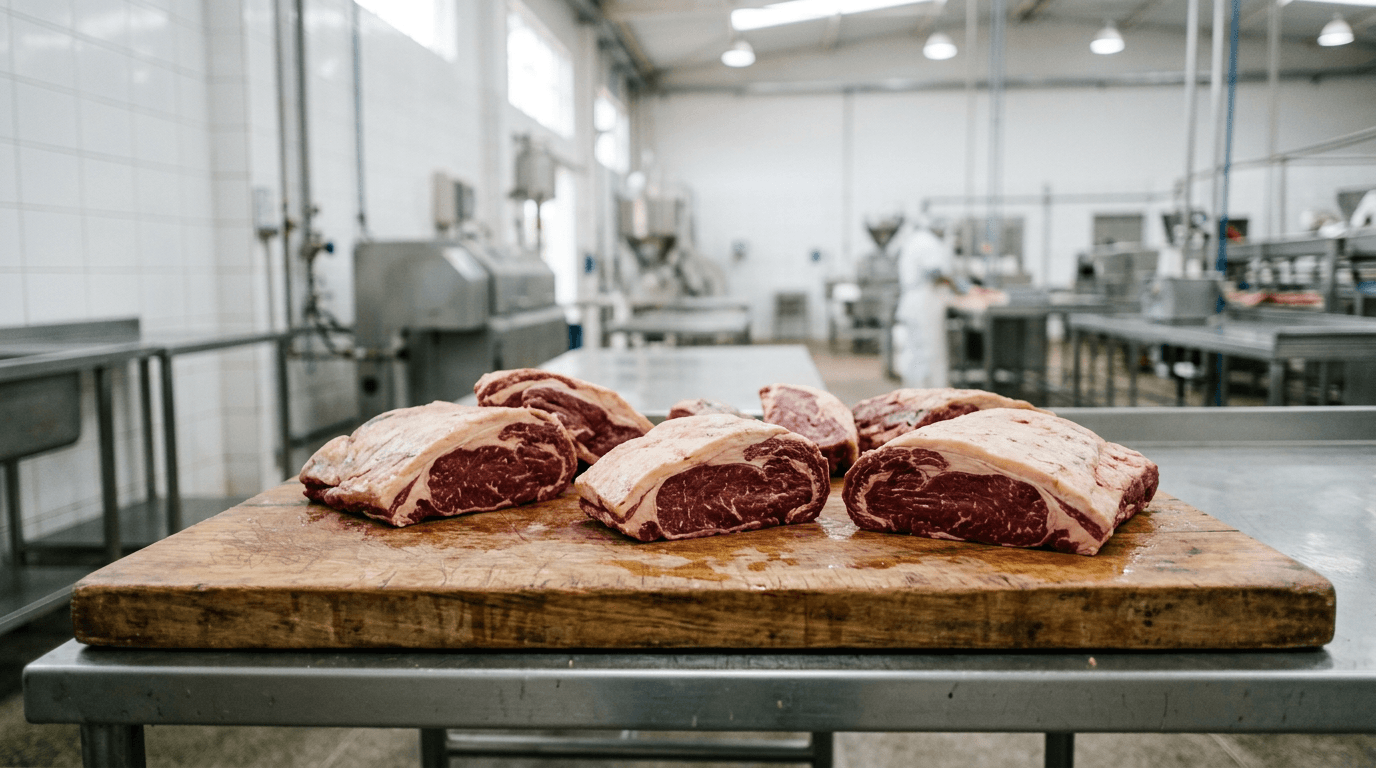 Macron's 'Doped' Meat Jab Raises Trade Hurdles for JBS and BRFFrench President Emmanuel Macron slammed Brazilian meat imports as "doped," escalating a protectionist trade row that impacts major global food suppliers.
 New Regulatory Rulings Reshape Paths for Big Tech, Vale, and SabespRegulators and courts in Brazil enact sweeping rules targeting US tech companies, unlocking railway funding for Vale, and boosting Sabesp's tariff base.
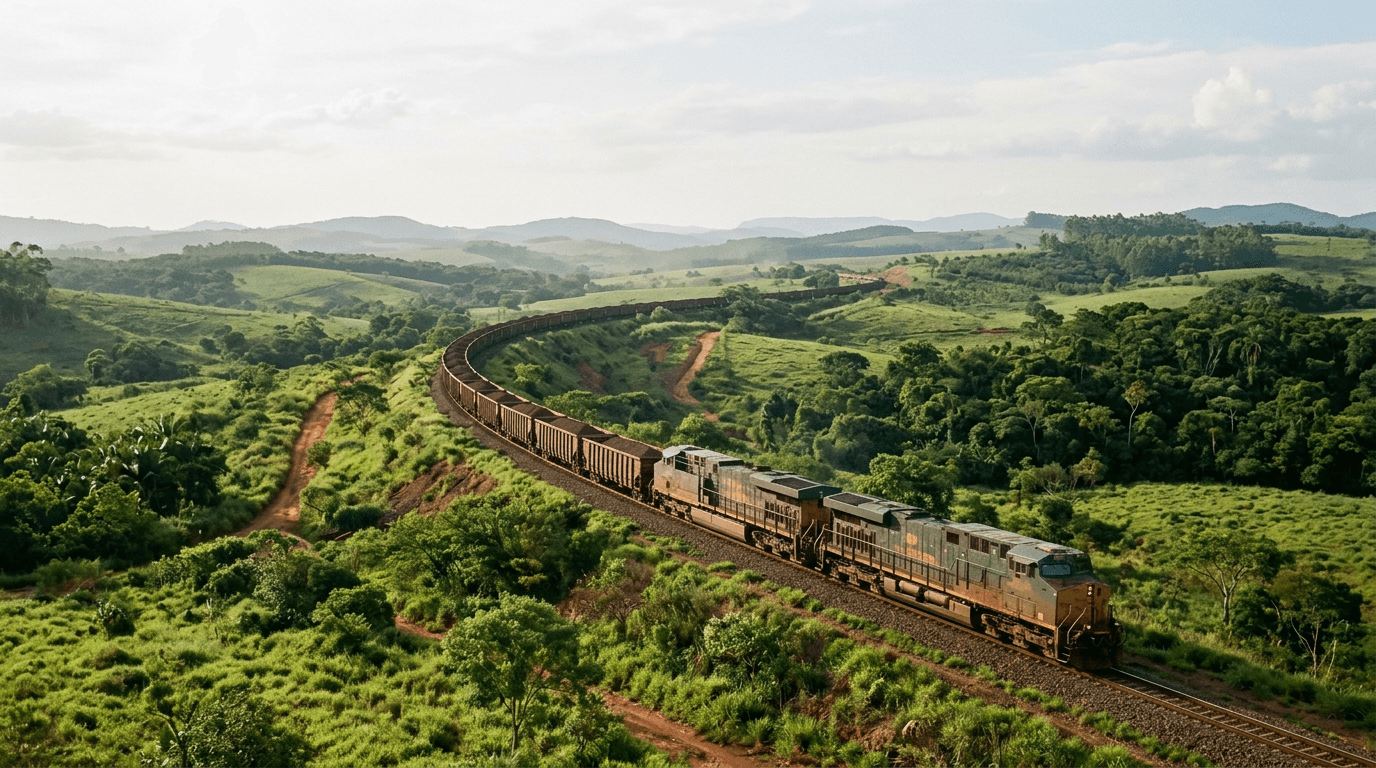 Court Ruling Unlocks Vale Funding for R$ 4.1 Billion RailwayBrazil's Federal Court of Accounts approved the use of linked accounts for railway investments, unlocking R$ 826.1 million from Vale for the EF-118 railroad.