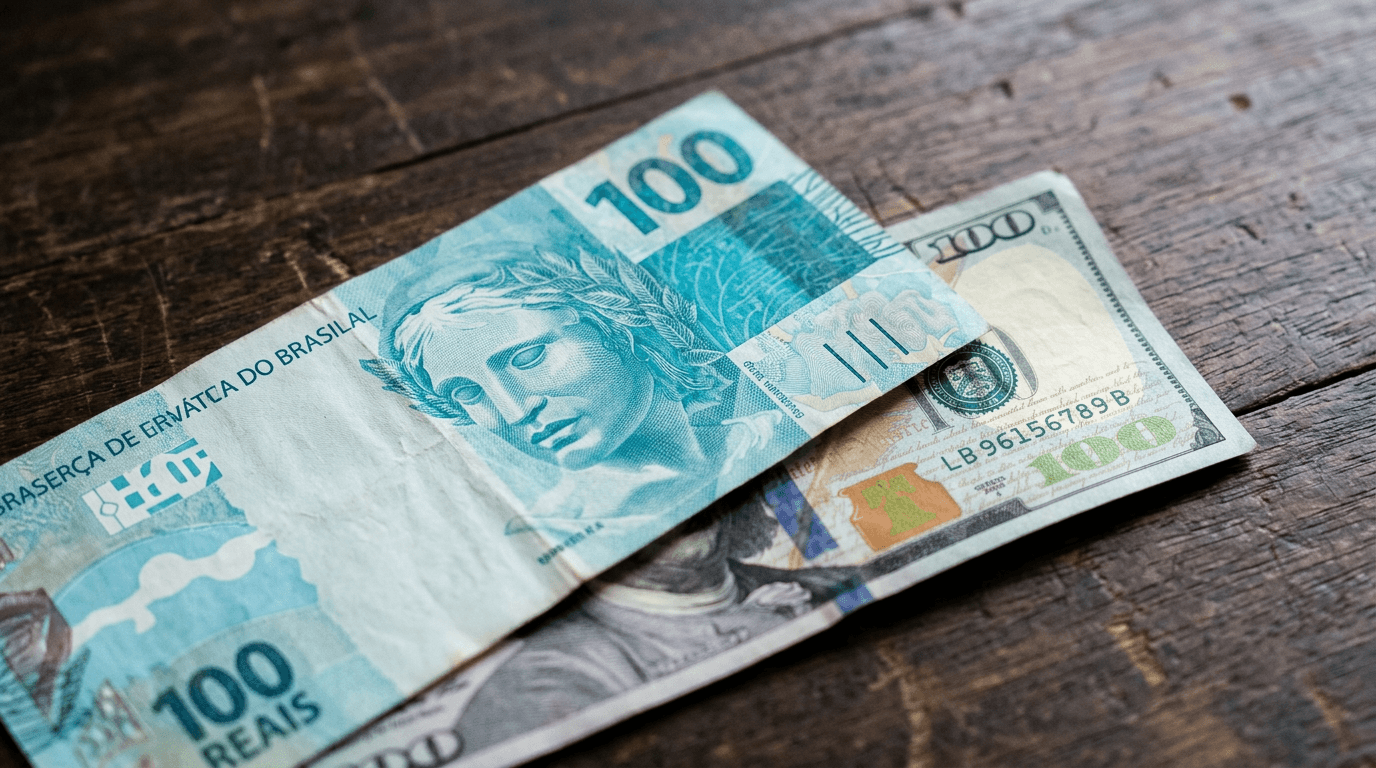
Yield Gap of 9.75% Cushions Brazil Real Against US Interest Rates
The 9.75 percentage point interest rate gap between the Federal Reserve and Brazil's central bank offers a high-yield buffer for global dollar investors.
Key takeaways
- US cash yields sit at 4.0% following Federal Reserve policy holds, per FRED data on November 26, 2026
- Brazil's central bank holds its benchmark Selic target steady at 13.75%, per Banco Central do Brasil on November 27, 2026
- The resulting interest rate gap of 9.75 percentage points is unchanged from thirty days ago
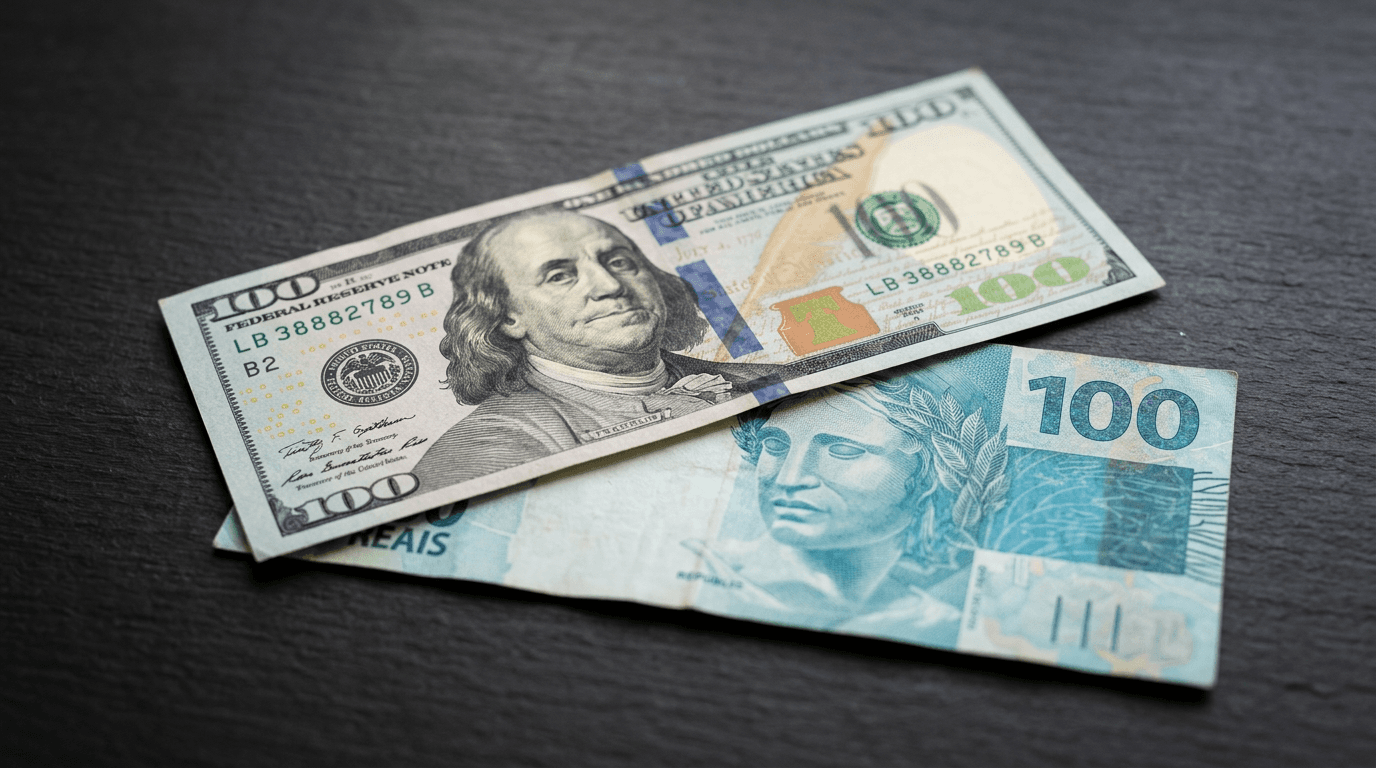
- This wide spread cushions the brazil real vs us dollar exchange rate and impacts the New York-listed EWZ ETF
American investors parking their cash in low-risk US Treasury bills or brokerage money market funds are currently collecting a comfortable 4.0% yield. However, those willing to exchange their greenbacks for the brazil real can capture an overnight payout that is more than three times higher. The Central Bank of Brazil (BCB) maintains its benchmark Selic rate at 13.75%, according to the Banco Central do Brasil SGS 432 series on November 27, 2026. This leaves a massive 9.75 percentage point interest rate gap against the Federal Reserve's upper funds target of 4.0%, which was last updated on November 26, 2026, according to the Federal Reserve Bank of St. Louis FRED database. This gap has remained exactly unchanged from 30 days ago (October 28, 2026), providing a high-yield buffer that directly influences the brazil real vs us dollar valuation and shapes the return profile for global portfolios.
For an everyday retail investor, this yield disparity is the engine of the "carry trade"—a strategy where traders borrow in low-yield currencies like the dollar to buy high-yield assets denominated in the brazil real to us dollar exchange rate. In practice, Brazil's central bank operates under a monetary policy committee called Copom, which uses the Selic rate to control local credit costs and curb inflation. When Copom keeps local rates elevated, it effectively pays foreign investors a premium to hold Brazilian debt. This premium helps shield the local currency, which traded at 5.644 per dollar on November 27, 2026, as high local yields incentivize international funds to keep their capital in Brazil rather than repatriating it to the safer US Treasury market.
Both central banks are treading cautiously due to persistent domestic inflation concerns, which is why the spread has remained frozen at 9.75 percentage points over the past month. In Washington, the Federal Reserve paused its rate-cut cycle in October 2026 to evaluate strong employment numbers and stubborn core inflation, holding the upper bound at 4.0%. Meanwhile, in Brasília, Copom voted unanimously to pause its own cutting cycle on November 4, 2026, keeping the Selic target at 13.75% after a string of five consecutive quarter-point cuts. The decision was driven by rising local inflation expectations and heightened fiscal policy uncertainty following the country's recent presidential election.
This exceptionally wide yield gap will face its next critical test in early December. The Federal Reserve's Federal Open Market Committee is scheduled to meet on December 8-9, 2026, to decide whether stubborn price pressures warrant another rate hold or a surprise hike. Immediately following that decision, Copom will hold its final policy meeting of the year on December 9, 2026. Any narrowing of the gap—either through a more hawkish Fed or a sudden resumption of cuts by Brazil—could quickly trigger volatility in the brazil real to dollar rate as carry-trade positions are unwound.
In your brokerage app
For retail investors, this double-digit yield dynamic directly drives the pricing of the iShares MSCI Brazil ETF (EWZ), the largest New York-listed fund tracking Brazilian equities. Because the fund holds local equities valued in reais, any sharp shift in the brazil real relative to the dollar can quickly erase or amplify the underlying stock gains. Investors looking to capture the high yields directly can also access Brazilian government bonds through specialized global bond funds, though they must weigh the high 13.75% headline payout against local withholding taxes and currency depreciation risks.