

U.S.-Listed Brazil ETF Rises as Lula Enacts Key Spending Cap Reforms
The iShares MSCI Brazil ETF gained ground after President Lula signed a fiscal package capping spending growth to help stabilize the volatile real.
Key takeaways
- President Lula signed Supplementary Law No. 239/2026 without vetoes to establish a new spending framework, per Planalto on November 24, 2026
- The fiscal package is projected to save between BRL 45.1 billion and BRL 56.1 billion by 2027, per Agência Brasil on November 24, 2026
- The law lowers spending growth limits to 2% if fiscal targets are missed and doubles corporate tax break cuts to 20%, per Agência Brasil on November 24, 2026
- The Brazil real rebounded from a 22-month low of 6.00 per USD to trade around 5.90, per Trading Economics on November 25, 2026
U.S. retail investors holding shares of the iShares MSCI Brazil ETF saw their holdings gain ground after President Luiz Inácio Lula da Silva signed a crucial spending cap reform on November 24, 2026, according to the official gazette published on Planalto. The framework is projected to save between BRL 45.1 billion and BRL 56.1 billion by 2027, as reported by Agência Brasil on November 24, 2026. For American retail portfolios holding Brazilian assets, the newly enacted rules provide a structural stabilizer designed to protect the local currency from runaway fiscal deficits.
Under the newly signed legislation, the government is authorized to trigger strict spending growth restrictions that cap expenditure growth at 2% instead of the current 2.5% above inflation, according to details released by Agência Brasil on November 24, 2026. The new rules will also double the linear cut on corporate tax breaks to 20% starting on January 1, 2027, as outlined by Agência Brasil on November 24, 2026. By introducing automatic triggers, the package targets the structural spending habits that have historically fueled skepticism among foreign asset managers.
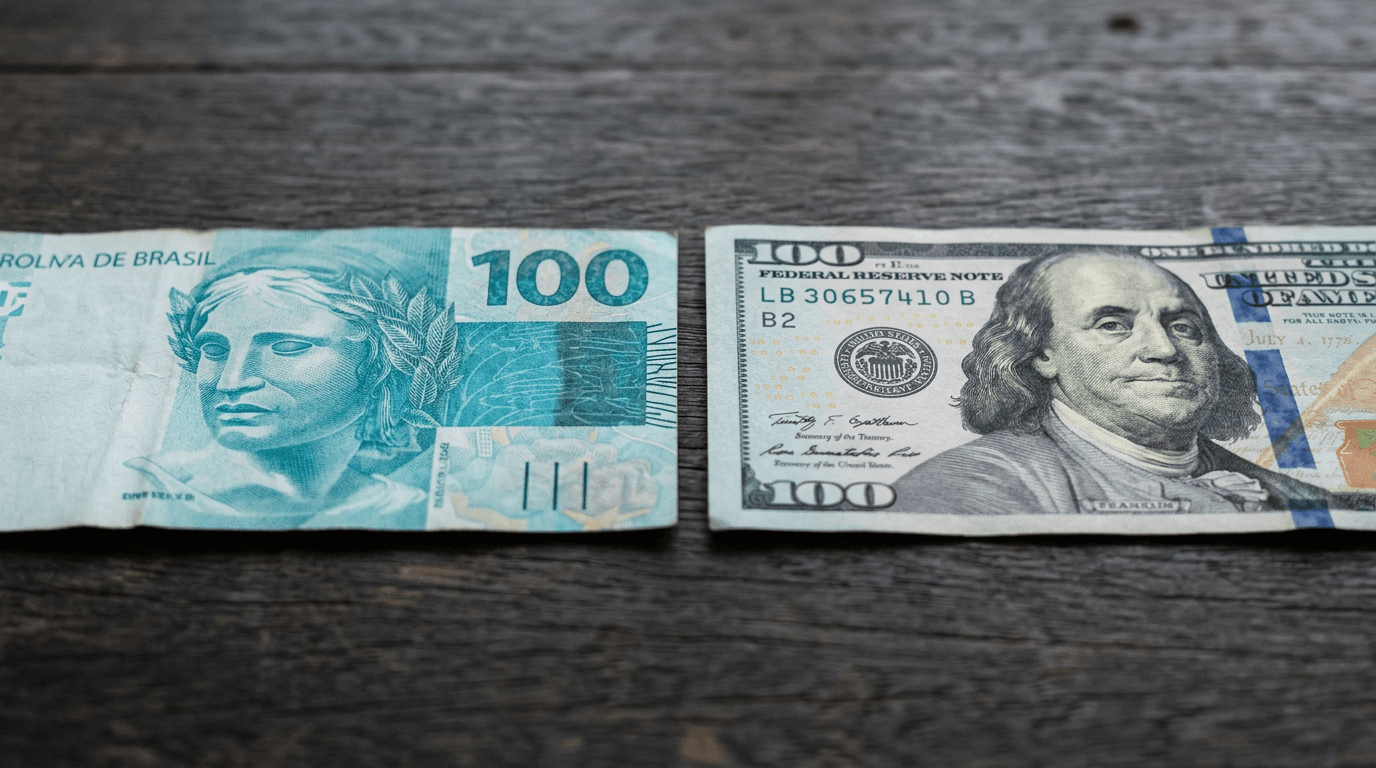
The fiscal package has already provided an immediate catalyst in currency markets, where the Brazil real recovered from a 22-month low of 6.00 per U.S. dollar on November 23, 2026, to trade around 5.90 on November 25, 2026, per data from Trading Economics. A stronger local currency directly benefits international portfolios by raising the dollar-denominated value of Brazilian equities. This recovery acts as a counterweight to the currency depreciation that has squeezed foreign investor returns throughout the year.
To assist foreign market participants unfamiliar with local administrative maneuvers, this legislation, known formally as Supplementary Law No. 239/2026, represents a compromise between the Lula administration and Congress to reinforce fiscal guardrails. The legislation also allows the government to exclude up to BRL 10.5 billion in diesel subsidy costs from the 2026 fiscal target, according to Agência Brasil on November 24, 2026. While this carve-out grants immediate accounting flexibility, the broader law's focus remains on permanent structural limits.
Looking ahead, international observers will monitor the implementation of the corporate tax cuts on January 1, 2027, to measure their actual impact on federal revenues. Furthermore, policy analysts will watch whether these measures will be sufficient to secure the government's target of a BRL 18.7 billion primary surplus in 2027, as reported by Agência Brasil on November 24, 2026.
In your brokerage app
American investors looking to gain broad exposure to these shifting macro dynamics can look to the iShares MSCI Brazil ETF. This exchange-traded fund, which is listed in New York and widely available on major U.S. retail brokerage platforms, tracks a basket of large- and mid-cap Brazilian equities, making its performance highly sensitive to both the local fiscal outlook and the strength of the Brazil real.
Related coverage
 Google Faces Daily Fines in Brazil Over Ad Transparency UltimatumBrazil's consumer agency Senacon ordered Google to expand digital ad transparency details within 10 days or pay a daily fine of R$200,000.
 Apple, Amazon Face New Antitrust Rules in Scheduled Brazil VoteBrazil's Chamber of Deputies schedules a vote on a major digital markets bill that could impose strict antitrust rules on global tech companies.