

New Regulatory Rulings Reshape Paths for Big Tech, Vale, and Sabesp
Regulators and courts in Brazil enact sweeping rules targeting US tech companies, unlocking railway funding for Vale, and boosting Sabesp's tariff base.

Key takeaways
- Senacon fined Google R$ 200,000 per day over ad transparency, per Senacon on November 26, 2026
- Agroconsult projected Brazil's soybean harvest will fall 1.3%, per Agroconsult on November 26, 2026
- ARSESP validated Sabesp's regulatory asset base 11% higher at R$ 97.8 billion, per Sabesp filing on November 26, 2026
US tech giants, global beef supply chains, and Latin America's largest private water utility are facing a sweep of regulatory and court decisions in Brazil that will reshape margins and market rules starting next week. On November 26, 2026, Brazilian regulators slapped Google with daily fines of R$ 200,000 (~$35,000 USD) over ad transparency, while Congress scheduled a December 1, 2026 vote to impose sweeping antitrust rules on Apple and Amazon. These moves signal a sharp shift from routine oversight to preventive, European-style digital market regulation in Latin America’s largest economy, meaning higher compliance costs for the mega-cap tech stocks held in millions of US brokerage accounts.
Tighter Tech Reins
The action against Google, brought by Brazil’s National Consumer Secretariat (Senacon) on November 26, 2026, gives Alphabet's subsidiary a 10-day ultimatum to expand its public advertising registry or face daily penalties. The move enforces Joint Ordinance 3/2026, which mandates public disclosure of ad targeting parameters to fight online fraud. Simultaneously, Brazil's Chamber of Deputies has scheduled a December 1, 2026 vote on Bill 4,675/2025. The digital markets bill targets the market dominance of "systemically relevant" platforms like Apple and Amazon, meaning platforms with global revenues exceeding R$ 50 billion (~$8.6 billion USD) could face strict preventive rules on data usage and self-preferencing.
Unlocking Infrastructure
Meanwhile, long-term infrastructure plays took massive leaps forward. On November 25, 2026, Brazil’s Federal Court of Accounts (TCU) approved a crucial funding mechanism allowing private railway operators to utilize linked accounts. The ruling instantly unlocks R$ 4.1 billion ($710 million USD) in cross-investments funded by MRS Logística, Rumo Malha Paulista, and mining giant Vale S.A. to construct the EF-118 railway corridor linking Rio de Janeiro and Espírito Santo. Vale's share of this funding is R$ 826 million. A day later on November 26, 2026, newly privatized water utility Sabesp announced that São Paulo regulator ARSESP validated an 11% increase in its Regulatory Asset Base to R$ 97.8 billion for 2025. This larger base directly drives Sabesp's formula for future tariff hikes, laying a predictable groundwork for international investors who bought into its massive 2024 privatization.
Shifting Supply Chains
In the agricultural sector, the trade dynamics that set global prices are tightening. Brazil's annual tariff-free beef quota into the US market (capped at an effective 52,000 tons in 2026) was entirely filled in a record six days by January 6, 2026, subjecting subsequent shipments to a hefty 26.4% out-of-quota tariff. On November 24, 2026, Brazil’s meat exporter association (ABIEC) formally petitioned President Luiz Inácio Lula da Silva to put U.S. beef import quotas on the negotiating table during his upcoming talks with U.S. leadership. This export push comes just as Brazilian agricultural consultancy Agroconsult projected on November 26, 2026, that Brazil's upcoming 2026/2027 soybean harvest will slide 1.3% to 182.3 million metric tons due to planting delays and El Niño weather patterns, a drop that could support US grain futures.
In your brokerage app
For retail investors holding the iShares MSCI Brazil ETF (EWZ), these shifts underscore why pure commodity exposure is no longer the only game in town. The TCU railway ruling directly removes a long-standing capital expenditure overhang for iron-ore giant Vale S.A., which is listed in New York, while the regulator's validation of Sabesp's expanded asset base provides fundamental support for its American Depositary Receipts listed in New York. Additionally, regional financial holding company Credicorp Ltd., also listed in New York, announced a major restructuring on November 26, 2026, merging its Pacífico Seguros and Pacífico Salud divisions under CEO Eduardo Montero to capture healthcare and insurance synergies across the Andean region.
Related coverage
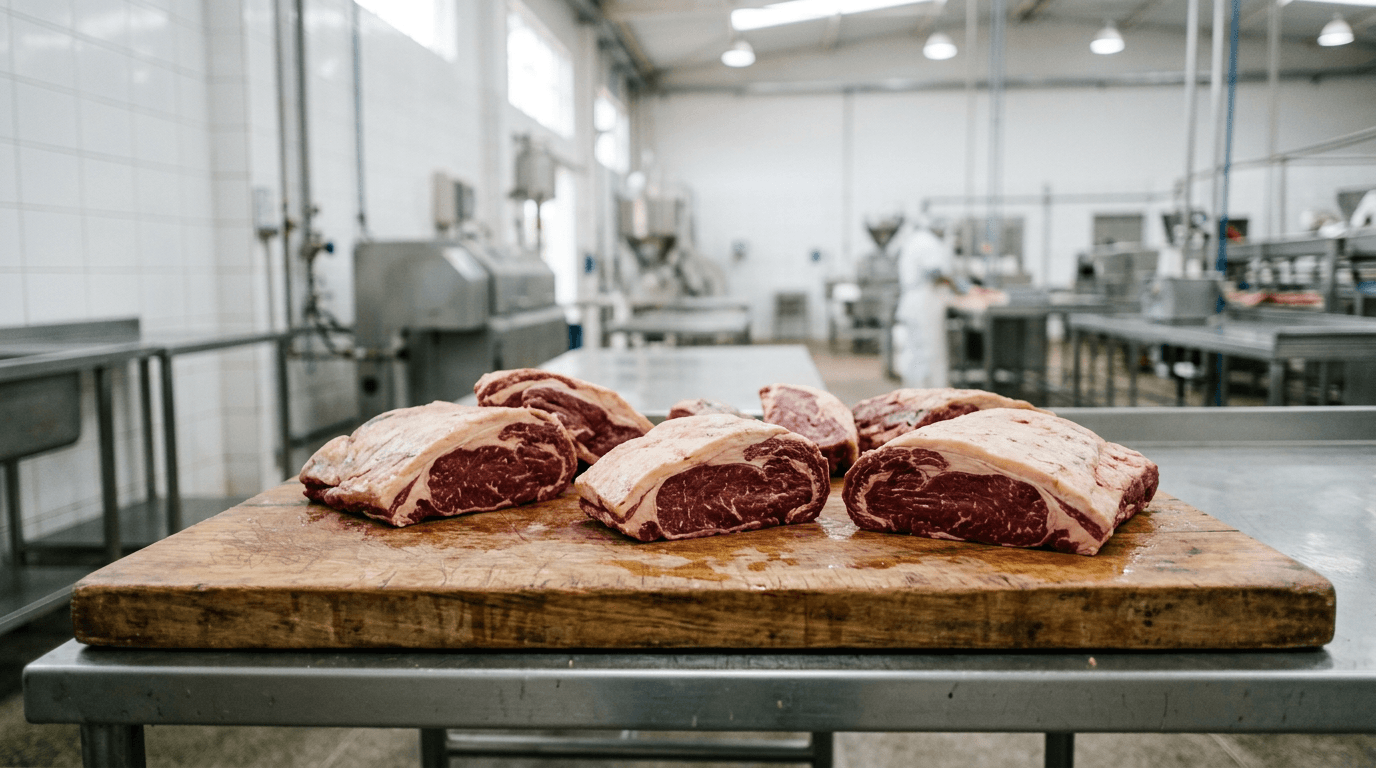 Macron's 'Doped' Meat Jab Raises Trade Hurdles for JBS and BRFFrench President Emmanuel Macron slammed Brazilian meat imports as "doped," escalating a protectionist trade row that impacts major global food suppliers.
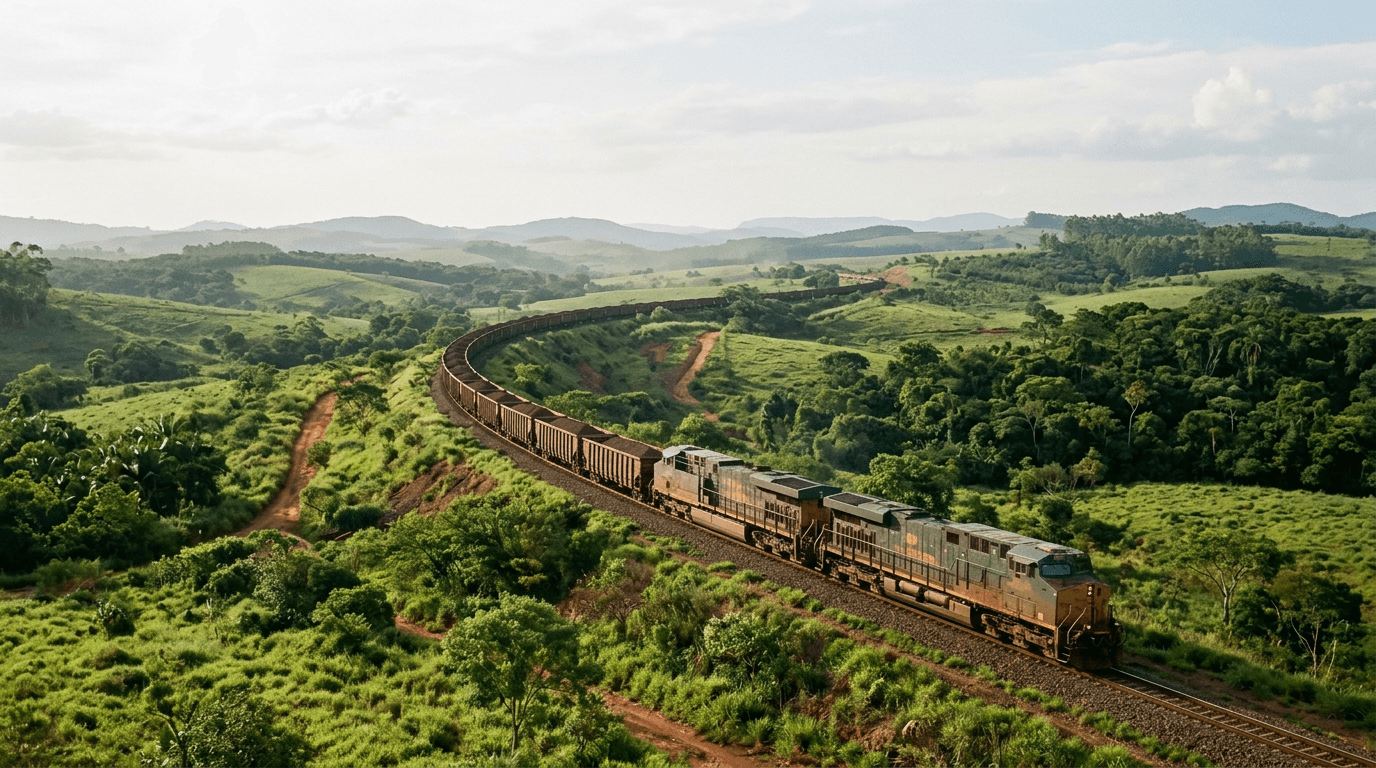 Court Ruling Unlocks Vale Funding for R$ 4.1 Billion RailwayBrazil's Federal Court of Accounts approved the use of linked accounts for railway investments, unlocking R$ 826.1 million from Vale for the EF-118 railroad.
 Soybean Speculators Hold 145,816 Net Longs as US Harvest Hits 96%Speculative net-long positions in Chicago Board of Trade soybean futures stood at 145,816 contracts as of November 17, 2026, amid a wrapping US harvest.