
Petrobras strikes oil again in ultra-deep waters off Amapa coast
Brazil state-run oil company Petrobras has confirmed a second hydrocarbon discovery at the Morpho well, strengthening its push into the Equatorial Margin.
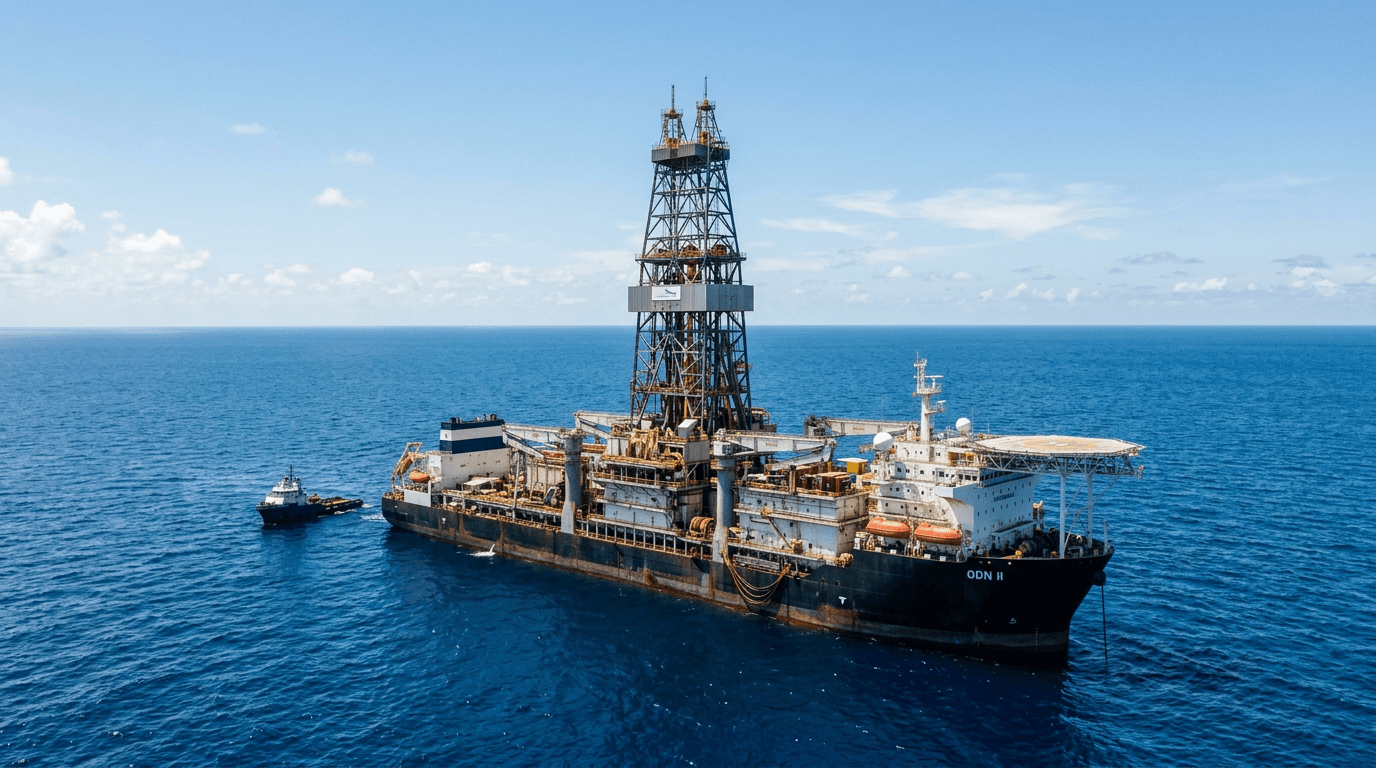
On October 2, 2026, Brazil's state-run oil giant Petrobras announced it had struck oil for a second time at the Morpho exploratory well, located in ultra-deep waters off the coast of the northern state of Amapá. The discovery of a deeper oil-bearing interval at the same well strengthens the company's technical case for opening up the Equatorial Margin—a highly promising but environmentally sensitive offshore frontier that has sparked intense domestic debate.
The Morpho well, also designated 1-BRSA-1405-APS, is located in block FZA-M-59 of the Foz do Amazonas basin, approximately 175 kilometers off the coast of Oiapoque in water depths of 2,886 meters. Petrobras initially identified hydrocarbons at the site in August 2026. By continuing to drill deeper to evaluate the geological formations, the company's chartered drillship, the Foresea ODN II, confirmed an additional oil-bearing rock layer using electrical logs and physical fluid samples.
For foreign observers, the discovery is a significant milestone in Brazil's long-term energy strategy. The Equatorial Margin, which stretches along Brazil's northern and northeastern coasts, shares geological similarities with the massive offshore oil fields developed by ExxonMobil in neighboring Guyana. Petrobras CEO Magda Chambriard and federal officials view this region as the country's best opportunity to replenish its oil reserves as its mature, highly productive pre-salt fields in the southeast begin to decline in the coming decade.
However, the geographic location of the Foz do Amazonas basin has placed Petrobras at the center of a major regulatory and political battle. Although the Morpho well is nearly 500 kilometers from the actual mouth of the Amazon River, environmentalists and federal prosecutors have raised concerns about the potential impact of an oil spill on the region's unique coastal ecosystems and traditional communities. Ibama, Brazil's federal environmental protection agency, initially rejected Petrobras' drilling license in 2023 before granting permission to drill the Morpho well in late 2025 after extensive negotiations.
The political stakes are high as Brazil moves closer to its next electoral cycle. President Luiz Inácio Lula da Silva's administration has sought to balance aggressive environmental commitments, such as halting Amazon deforestation, with the economic benefits of state-backed oil development. While the Federal Public Prosecutor's Office (MPF) has previously petitioned courts to halt drilling over safety and community consultation concerns, the federal government recently authorized Petrobras to drill three additional exploratory wells in the region starting in January to determine if commercial production is viable. Petrobras plans to invest $2.5 billion in the Equatorial Margin through 2030.
What it touches
The successful drilling campaign directly impacts Petróleo Brasileiro S.A. (PETR4), which holds a 100% operating interest in block FZA-M-59. While the physical confirmation of high-quality oil in August and the deeper interval in October bolster the company's reserve-replacement outlook, actual commercial development remains years away and remains highly exposed to regulatory decisions by Ibama and ongoing litigation from federal prosecutors.