

Slowing Inflation Preview Relieves Brazil Real and Bond Yields
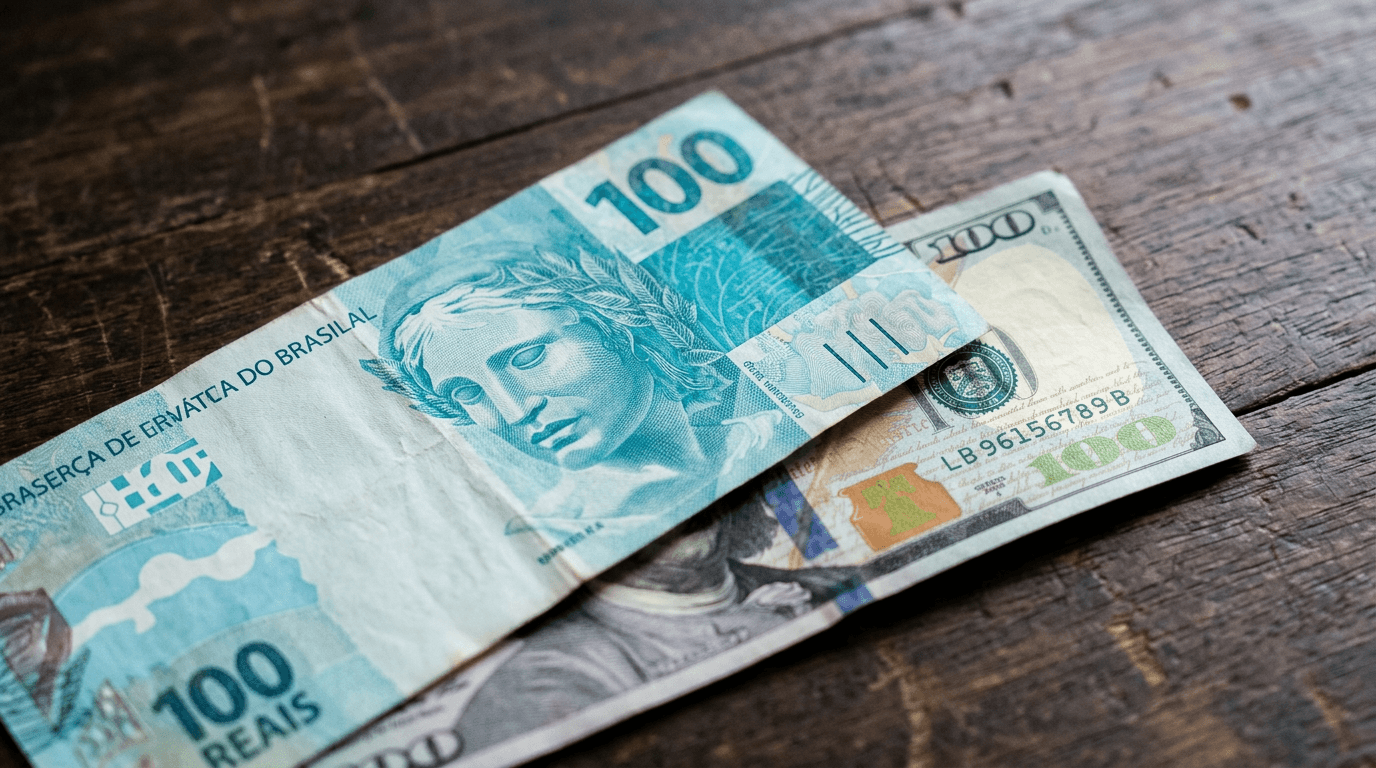
Brazil's mid-month inflation rose 0.22% in November 2026, coming in below expectations and helping stabilize the real against the dollar.
Key takeaways
- IBGE reported Brazil's mid-month inflation rose 0.22% in November 2026, below the 0.34% expected by economists, per IBGE on November 26, 2026
- The 12-month accumulated inflation reached 4.64%, below the 4.78% market consensus forecast, per IBGE on November 26, 2026
- Transport costs declined 0.71% month-on-month, driven by a 9.57% drop in airline tickets, per IBGE on November 26, 2026
- The U.S. dollar declined 1.86% against the Brazilian real to trade at 5.7125, per BRZ News reference data on November 26, 2026
For American retail investors holding international assets, the cost of borrowing in emerging markets just became a bit more predictable. On November 26, 2026, the Brazilian government's statistical agency, IBGE, reported that the country's mid-month consumer price index rose 0.22% in November, which was below the 0.34% expansion expected by economists polled by Reuters. This cooler-than-expected print helps stabilize the USDBRL exchange rate by easing expectations that Brazil's central bank will have to hike interest rates aggressively, a scenario that had been driving up local bond yields and depressing dollar returns.
According to the official IBGE release on November 26, 2026, this latest monthly figure represents a deceleration from the 0.32% rate recorded in October. The 12-month accumulated brazil inflation rate reached 4.64% in November 2026, marginally higher than the 4.62% seen in the previous month, but significantly lower than the market consensus of 4.78%. This drop in the overall brazil inflation momentum was primarily driven by a 0.71% decline in transport costs, which was pulled down by a 9.57% drop in airline tickets and a 0.95% drop in fuels, helping offset a 1.51% increase in food and beverages.
Relieving Pressure on Monetary Policy
For global investors watching the gap between the U.S. Federal Reserve and Brazil's central bank, these figures are critical. High brazil inflation 2026 had raised concerns that policymakers would be forced to continuously ramp up the Selic, Brazil's benchmark interest rate. While higher yields can attract short-term carry-trade investors, an aggressive hiking cycle often triggers economic stagnation and currency volatility, hurting the value of unhedged dollar-denominated assets. This latest print of the brazil inflation rate 2026 suggests the central bank has breathing room, lowering the immediate pressure on Brazilian local sovereign bonds and foreign exchange.
Looking forward, investors will be monitoring the full-month consumer price index release scheduled for December 11, 2026, which will confirm whether this mid-month deceleration is a lasting trend. The central bank's upcoming interest rate decisions will also continue to dictate the direction of the USDBRL currency pair. Following the release on November 26, 2026, the dollar traded at 5.7125 real, down 1.86%, as the easing of interest rate anxieties reduced the immediate demand for safe-haven greenbacks.
In your brokerage app
For retail investors using platforms like Schwab, Fidelity, or Robinhood, these macroeconomic shifts are felt directly through broad emerging-market funds. The iShares MSCI Brazil ETF, which is listed in New York and tracks large- and mid-sized Brazilian companies, is highly sensitive to the country's interest rates and currency movements. A stabilizing real and easing yield environment reduce the currency drag on these dollar-denominated funds, making the underlying equity valuations more attractive for those holding diversified international portfolios.
Latest articles
 Soybean Speculators Hold 145,816 Net Longs as US Harvest Hits 96%Speculative net-long positions in Chicago Board of Trade soybean futures stood at 145,816 contracts as of November 17, 2026, amid a wrapping US harvest.
 Petrobras Sets December 31 for Extraordinary ADR Dividend PaymentPetrobras filed a SEC 6-K detailing an extraordinary dividend of R$15.60 billion, with New York ADR holders scheduled to receive payments starting December 31.
 Petrobras Backs BRL 2.8 Billion Corn Ethanol DealPetrobras returns to Brazil's biofuels market with a BRL 2.8 billion investment in corn ethanol producer Neomille to supply future sustainable jet fuels.